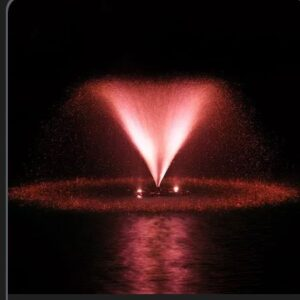
Maintaining healthy pond environments requires proper water circulation, oxygen exchange, and balanced aquatic conditions. Whether used in residential landscapes, golf courses, commercial properties, or agricultural ponds, fountain systems play an important role in supporting both water quality and visual appeal. Decorative aeration systems have become increasingly common because they combine functional pond management with attractive water displays. Among the most commonly used systems for medium-sized ponds is the 1/2 hp floating pond fountain, known for providing effective circulation while enhancing the appearance of outdoor water features.
Pond fountains operate by drawing water upward through a submerged pump and dispersing it into the air through specialized nozzles. As water droplets return to the pond surface, oxygen transfer increases, and circulation improves throughout the upper water layers. Proper circulation helps reduce stagnation, supports healthier aquatic ecosystems, and minimizes conditions that contribute to algae growth and unpleasant odors.
Understanding 1/2 HP Floating Pond Fountains
A 1/2 horsepower floating pond fountain is commonly used for small to medium-sized ponds where moderate circulation and decorative water movement are desired. These systems typically include a floating platform, electric motor, pump assembly, and interchangeable spray nozzles that create different display patterns.
Compared to smaller decorative fountains, 1/2 HP systems generally provide stronger water movement and wider spray coverage. Many pond owners select this fountain size because it balances energy efficiency with effective circulation performance.
Floating fountain systems are also designed for relatively simple installation. Because the fountain remains suspended on the water surface, extensive excavation or plumbing modifications are often unnecessary. Most systems are anchored securely while connected to shoreline power supplies through weather-protected electrical cables.
Benefits of Floating Pond Fountains
Improved Water Circulation
One of the primary benefits is continuous water movement. Circulation helps prevent stagnant areas where algae, mosquito larvae, and organic buildup may develop. Better circulation also contributes to clearer water conditions over time.
Increased Oxygen Levels
Surface aeration improves oxygen transfer into the pond water. Higher oxygen levels can support healthier fish populations, beneficial bacteria activity, and overall aquatic balance. Proper oxygenation is especially important during warmer seasons when oxygen levels naturally decline.
Algae and Odor Reduction
Stagnant ponds with poor circulation are more likely to experience algae growth and unpleasant odors caused by decomposing organic material. Fountain circulation helps limit nutrient concentration near the surface while supporting healthier biological activity within the pond ecosystem.
Enhanced Visual Appearance
In addition to water management benefits, floating fountains create visually attractive spray displays that improve landscape aesthetics. Decorative spray patterns can enhance residential ponds, commercial landscapes, parks, and golf course water features while creating a calming outdoor atmosphere.
Important Factors Before Installation
Pond Size and Depth
Selecting the appropriate fountain size depends heavily on pond dimensions and water depth. While 1/2 HP fountains are suitable for many medium-sized ponds, larger water bodies may require higher horsepower systems to achieve effective circulation coverage.
Electrical Requirements
Floating fountains require safe electrical installation practices because the systems operate continuously in water environments. Pond owners should ensure that power supplies, wiring, and grounding systems comply with local electrical safety standards.
Seasonal Maintenance
Routine maintenance helps preserve fountain performance and extend equipment lifespan. Maintenance tasks often include cleaning intake screens, inspecting nozzles, checking power connections, and removing debris accumulation around the pump system.
Weather Conditions
In colder climates, some pond owners remove floating fountains during the winter months to prevent ice-related damage. Seasonal storage and maintenance procedures may vary depending on regional weather conditions and fountain design.
Conclusion
As pond management continues to focus on water quality, circulation, and visual enhancement, floating fountain systems remain an effective solution for maintaining healthier aquatic environments. Improved oxygen transfer, algae reduction, and continuous water movement all contribute to better long-term pond conditions while enhancing landscape appearance. With proper installation and routine maintenance, these systems can support both functional and decorative pond management goals for a variety of outdoor settings. For many pond owners, a properly sized floating pond fountain continues to provide an ideal balance between water aeration performance and attractive visual presentation.
