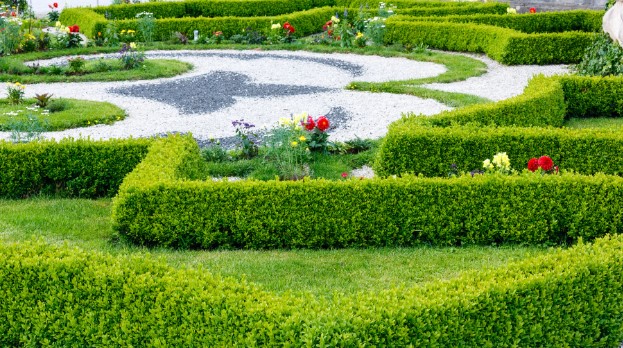
Hedges are living boundaries that can shape outdoor spaces, improve privacy, soften hard edges, and create a more organized landscape. They may be formal and clipped, loose and natural, evergreen or flowering, depending on the garden style and climate. Choosing the right hedge plants is important because height, growth rate, sunlight needs, pruning habits, and maintenance levels vary widely between species.
Why Hedges are Useful
Hedges can define property lines, divide garden areas, reduce views from neighbors, and create shelter from wind. They also add greenery where fences or walls may feel too harsh. In many gardens, a hedge works as both a design feature and a practical screen.
Garden guidance explains that hedges can be chosen for privacy, shelter, and wildlife-friendly boundaries. They may also create structure within planting schemes and help frame lawns, paths, patios, or entrances. This makes hedges useful in both small residential gardens and larger landscapes.
Evergreen or Deciduous Choices
One of the first decisions is whether to plant an evergreen or deciduous hedge. Evergreen hedges keep their leaves throughout the year, making them useful for privacy and screening. Deciduous hedges lose leaves seasonally but may offer flowers, berries, autumn color, or wildlife value.
Examples of hedging species include broadleaf evergreens, conifers, flowering shrubs, and mixed native hedgerows. Nurseries commonly list many hedging plant options in different root types, including bare root, root ball, pot-grown, and instant hedging. The right choice depends on climate, budget, planting season, and how quickly coverage is needed.
Choosing for Height and Width
Before planting Hedge plants, gardeners should decide the desired mature height and width. A low hedge may be suitable for borders or pathways, while a tall hedge may be needed for privacy screening. Choosing a plant that naturally fits the available space reduces long-term pruning work.
Some hedge shrubs can become very large if left untrimmed. For example, Podocarpus can grow 15 to 20 feet tall and about 8 feet wide if not pruned. This shows why mature size should be checked before planting near walls, windows, driveways, or narrow walkways.
Sunlight and Soil Needs
Light and soil conditions strongly affect hedge health. Some hedge plants thrive in full sun, while others tolerate partial shade. Heavy shade can lead to weak, thin growth in many species. Soil drainage is also important because waterlogged roots may cause decline.
Podocarpus, for instance, grows best in full sun to part shade and prefers well-draining soil with moderate water needs. Other hedge plants may need richer soil, more moisture, or protection from strong winds. Matching the plant to the site is one of the best ways to reduce problems later.
Spacing for Dense Growth
Spacing affects how quickly a hedge fills in and how healthy it remains. Planting too far apart can leave gaps for years. Planting too close may create competition, poor airflow, and disease risk. The right spacing depends on species, plant size at purchase, and whether the hedge is formal or informal.
For podocarpus hedging, some gardening guidance suggests planting about 3 feet on center for a hedge. Other sources note that 2 to 3 feet apart can create a denser formal hedge, while wider spacing may suit screening. Gardeners should always adjust spacing based on the specific variety and desired effect.
Pruning and Maintenance
All hedges need some maintenance, but the amount varies. Formal hedges require regular trimming to keep straight lines and dense growth. Informal hedges may need only occasional shaping, thinning, or removal of dead branches. Early pruning can help young plants branch and fill in.
Regular pruning can make a hedge denser and more controlled. Podocarpus can be pruned into hedges, screens, topiary, balls, cones, or columns, but it needs regular trimming to maintain a smaller size and dense appearance. Gardeners choosing Hedge plants should consider how much pruning they are willing to do each year.
Wildlife and Garden Benefits
Hedges can provide more than privacy. They may offer shelter for birds, nectar for pollinators, berries for wildlife, and protection from wind. Mixed hedges often provide greater ecological value than single-species formal hedges because they include different flowers, fruits, and nesting structures.
Wildlife-friendly hedge choices can support garden biodiversity while still serving practical needs. For homeowners who want both structure and habitat, a mixed hedge may be a good option. However, formal gardens may still benefit from single-species hedges where a clean, uniform appearance is preferred.
Conclusion
A successful hedge starts with choosing plants that match the garden’s space, light, soil, climate, privacy needs, and maintenance expectations. For a dense evergreen screen, a podocarpus hedge can be a useful option when the site has good drainage, enough space, and a regular pruning plan. Gardeners should check mature size, spacing, pruning needs, and seasonal appearance before planting.
