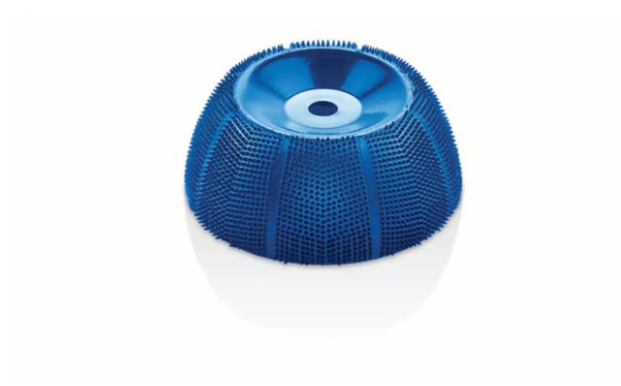
Tire repair is not simply a matter of covering a puncture or placing a patch over damaged rubber. A dependable repair begins with careful inspection, correct injury preparation, and a properly prepared bonding surface. During this preparation stage, tire buffing tools for repair help technicians remove damaged rubber, smooth uneven areas, and create the surface texture needed for repair materials to bond effectively. When buffing is performed correctly, it supports more consistent repair results while reducing the risk of contamination, excessive rubber removal, or an uneven repair area.
Why Surface Preparation Matters in Tire Repair
A repair material can only perform properly when it is installed on a suitable surface. Tire inner liners are relatively smooth, and they may also contain dirt, mold-release residue, oils, or other contaminants that can interfere with adhesion.
Buffing changes the surface from smooth rubber to a controlled, finely textured finish. This increases the usable bonding area while removing surface material that could compromise the repair.
Industry repair guidance commonly recommends creating a uniform buffed texture without damaging or exposing the tire’s structural cords. Excessive buffing can weaken the casing and may make the tire unsuitable for repair, which is why controlled material removal is essential.
For this reason, tire buffing tools for repair are designed to give technicians greater control over how much rubber is removed and where it is removed.
What Do Tire Buffing Tools Actually Do?
Buffing tools perform several jobs during tire repair preparation. Depending on the tire type and extent of the injury, they may be used to prepare the inner liner for a patch, clean and shape a repair cavity, remove loose rubber, or prepare areas involved in larger section repairs.
The objective is not to remove as much material as possible. Instead, technicians aim to remove only the damaged or unnecessary rubber while keeping the prepared area appropriately sized.
Common tool configurations include contour wheels, shaft-mounted tools, rasps, sidewall preparation tools, and other rotary cutting or buffing components. Different shapes are useful because the inside of a tire is curved rather than flat. A tool that follows the tire contour can help the operator maintain more consistent contact with the surface.
How Tool Selection Affects Repair Quality
Not every repair requires the same level of rubber removal. Passenger tires, commercial truck tires, off-road tires, and tires undergoing major section repairs can present very different preparation requirements.
Selecting suitable tire buffing tools for repair therefore depends on factors such as the tire construction, size of the repair area, location of the damage, required surface texture, and repair material manufacturer’s instructions.
A tool that is too aggressive can remove material unnecessarily or create depressions in the repair area. A tool that cuts too slowly may increase preparation time and encourage the technician to apply excessive pressure.
Tool geometry also matters. Contoured designs can provide a broader contact area on curved inner liners, while smaller shaft-mounted tools can provide access to tighter repair cavities. The goal is controlled, predictable preparation rather than maximum cutting speed.
Why Buffer Speed and Operator Control Are Important
Proper buffing involves more than selecting the correct wheel or rasp. Tool speed is also important.
Published tire repair practices frequently recommend low-speed buffing equipment, with some professional procedures specifying a maximum speed of approximately 5,000 rpm for particular buffing operations. Operating within the recommended range can help technicians maintain control and reduce the likelihood of excessive heat or accidental casing damage.
Technicians should also avoid forcing the tool into the rubber. Excessive pressure can make the tool harder to control and may create gouges or remove more material than necessary.
Good technique generally involves steady movement, light controlled pressure, and frequent observation of the developing surface texture.
Avoiding Contamination After Buffing
A properly buffed surface can still produce a poor repair if it becomes contaminated before the repair material is installed.
Buffing creates rubber dust and small particles that must be removed from the prepared area. Professional repair guidance recommends removing debris with appropriate brushing and vacuuming methods rather than blowing the repair area with ordinary compressed air.
Compressed air lines may contain moisture, oil, or other contaminants that can reduce adhesion. The prepared surface should also be protected from unnecessary hand contact because oils and dirt from skin can contaminate freshly buffed rubber.
This cleaning stage is an important part of using tire buffing tools for repair effectively. Surface preparation does not end when the buffer stops rotating; the prepared area must remain clean until the repair system is applied.
What Does a Properly Buffed Tire Surface Look Like?
A correctly prepared repair area should generally have an even, finely textured appearance rather than deep scratches, grooves, polished areas, or irregular depressions.
The exact texture depends on the repair system and manufacturer’s specifications, but consistency is a central objective. Uneven buffing can create areas with different bonding characteristics or make it difficult for the repair unit to sit correctly against the inner liner.
Technicians should also make sure the buffed area is large enough for the intended repair unit without unnecessarily extending preparation into unaffected sections of the tire.
Most importantly, buffing should never expose or damage structural ply cords. Repair guidance warns that excessive inner-liner buffing that reaches the casing cords can make the tire unsafe or unsuitable for continued repair.
Tool Maintenance Can Influence Buffing Consistency
Even good tire buffing tools for repair will not perform consistently if they are worn, damaged, improperly mounted, or allowed to vibrate excessively.
Technicians should periodically inspect buffing components for damaged cutting surfaces, irregular wear, looseness, or other conditions that can affect rotation. Tool holders and adapters should also fit correctly.
A smoothly operating tool makes it easier to produce an even finish. Excessive vibration, by comparison, can make precise material removal more difficult and may produce inconsistent surface preparation.
Keeping the work area clean and following equipment maintenance recommendations can therefore contribute directly to repair consistency and technician control.
Conclusion
Reliable tire repair depends on inspection, correct injury preparation, controlled buffing, cleanliness, and proper installation of the repair system. Buffing is especially important because it determines the condition of the surface to which repair materials must adhere. Choosing suitable tools, maintaining controlled operating speeds, and producing an even surface can improve consistency during repair preparation. Selecting the appropriate tire buffing wheels for the required surface and tire construction can also help technicians achieve controlled material removal without unnecessarily disturbing surrounding rubber. Ultimately, proper buffing should be viewed as a precision preparation process rather than simple rubber removal. When technicians use the correct equipment, follow accepted repair procedures, and avoid over-buffing or contamination, they create better conditions for a secure, durable, and professionally completed tire repair.
