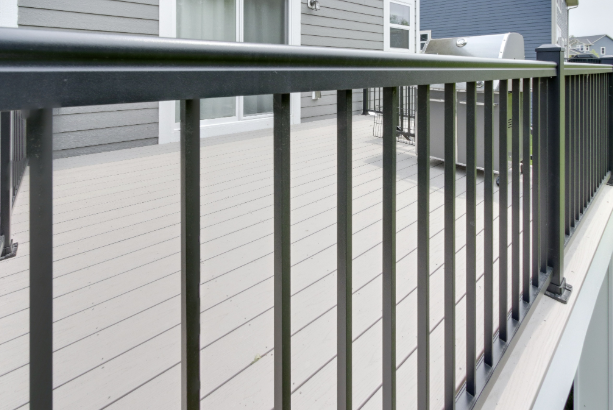
Powder-coated railings are chosen precisely because they’re supposed to be low-maintenance, durable, weather-resistant, and long-lasting without constant upkeep. Yet many homeowners and facility managers unknowingly damage their powder-coated railings through everyday habits that seem harmless but slowly wear down the finish. The result is premature fading, chipping, or corrosion on a surface that was designed to resist exactly those problems for decades.
Most of these mistakes aren’t the result of neglect; they come from a lack of awareness about how powder-coated surfaces actually behave. Here are ten of the most common, and often invisible, ways this finish gets damaged over time.
1. Using Harsh or Abrasive Cleaning Agents
Reaching for strong household cleaners, bleach-based products, or abrasive scouring pads might seem like a thorough way to clean railings, but these products slowly strip away the protective top layer of the coating. Over repeated cleanings, this creates micro-scratches that dull the finish and eventually expose the metal underneath to moisture and air. A mild soap and water solution, applied with a soft cloth or sponge, is almost always sufficient for routine cleaning without compromising the coating’s integrity.
2. Ignoring Small Scratches and Chips
A minor scratch might look purely cosmetic, but it’s actually a break in the protective barrier the coating provides. Left untreated, especially in outdoor or humid environments, moisture works its way into that exposed spot and begins corroding the metal beneath, a process that spreads outward from the original chip if it isn’t addressed early. Touch-up kits designed for powder-coated surfaces exist specifically for this reason, and using them promptly prevents small damage from becoming a much larger repair.
3. Power Washing at Close Range or High Pressure
Pressure washing feels like an efficient way to clean outdoor railings, but using excessive pressure or holding the nozzle too close to the surface can erode the coating faster than expected. This is particularly damaging around joints, welds, and edges, where the coating layer tends to be thinnest and most vulnerable. If pressure washing is necessary, keeping the nozzle at a safe distance and using a wide, low-pressure spray setting significantly reduces the risk of surface damage.
4. Allowing Standing Water or Debris to Accumulate
Railings with horizontal surfaces, joints, or decorative details can trap water, leaves, or dirt if they’re not cleaned regularly. This trapped moisture creates a localized environment where corrosion can develop even on a well-coated surface, particularly at points where two pieces of metal meet. Regularly clearing debris and ensuring water can drain away rather than pool prevents this slow, hidden form of deterioration.
5. Using Incompatible Metal Tools for Cleaning or Repairs
Wire brushes, steel wool, and metal scrapers are sometimes used to remove stubborn dirt or old paint from railings, but these tools can gouge or scratch the powder-coated surface far more aggressively than intended. Even light contact with abrasive metal tools can leave marks that compromise the coating’s protective qualities. Plastic or nylon brushes are a safer alternative for any stubborn residue that a simple soap-and-water clean doesn’t fully remove.
6. Neglecting Coastal or High-Humidity Environmental Factors
Railings installed near coastal areas or in consistently humid climates face accelerated wear due to salt exposure and moisture in the air. Without more frequent cleaning schedules or additional protective measures in these environments, coatings can degrade faster than they would in a drier, inland setting. This is one of the areas where aluminium powder coating quality genuinely matters; a well-applied, high-grade coating holds up considerably better under coastal stress than a lower-quality application, even with the same maintenance routine.
7. Mixing Incompatible Cleaning Chemicals
Combining different household cleaning agents, or using solvents not designed for coated metal surfaces, can trigger chemical reactions that discolour or weaken the coating. Some common household chemicals, while safe for other surfaces, are simply not formulated with powder-coated metal in mind. Sticking to manufacturer-recommended cleaning products, or simple pH-neutral solutions, avoids this risk entirely.
8. Skipping Regular Inspections
Because powder coating looks durable and requires little visible upkeep, it’s easy to assume railings don’t need periodic checks. But small issues, a hairline scratch, a loose fitting, early signs of discolouration, are far easier and cheaper to address when caught early than after they’ve spread or worsened. A simple visual inspection every few months, especially after harsh weather, helps catch these issues before they become structural or aesthetic problems.
9. Improper Storage or Handling During Renovation Work
During home renovations or nearby construction work, railings are sometimes exposed to dust, mortar splashes, paint overspray, or accidental impacts from tools and equipment. These incidents can chip or stain the coating in ways that aren’t always noticed until the work is complete. Covering railings during renovation work and cleaning off any construction residue promptly prevents this often-overlooked source of damage.
10. DIY Repainting Over a Damaged Coating
When a coating starts to show wear, some property owners attempt to repaint over it using standard exterior paint. Unfortunately, ordinary paint doesn’t bond the same way to a powder-coated surface and tends to peel or flake within a short period, often making the railing look worse than before the repair attempt. Proper recoating requires stripping the surface correctly and reapplying an appropriate finish, which is best handled by professionals familiar with the specific coating process originally used.
Final Thought
Powder-coated railings can maintain their finish and protection for years, but everyday maintenance mistakes can gradually affect their performance. Harsh cleaners, abrasive scrubbing, untreated scratches, high-pressure washing, and unsuitable DIY touch-ups may damage the coating without being immediately noticeable. Simple care habits can make a significant difference to long-term appearance and protection.
JM Aluminium, Western India’s largest aluminium extrusion company, understands how coating quality and proper maintenance work together to support lasting performance. With decades of experience in aluminium extrusion and finishing, the company provides dependable Powder Coated Aluminium Profiles for construction, automotive, and infrastructure applications, supporting durable solutions across India.
