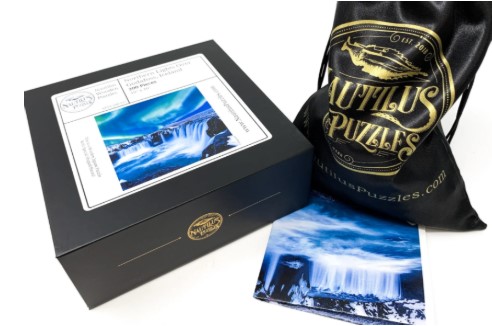
Visual activities can offer an enjoyable way to spend free time while encouraging observation and concentration. Among these activities, jigsaw puzzles stand out because they combine an identifiable image with the challenge of reconstructing it piece by piece. A picture puzzle gives participants an opportunity to explore colors, patterns, shapes, and visual details while working toward a complete image. Different artwork styles and piece counts also make the activity suitable for varying experience levels. Understanding how these puzzles work, what influences their difficulty, and how to approach them can make the experience more engaging for occasional and regular puzzlers.
What Makes Picture-Based Jigsaw Puzzles Interesting?
The main appeal of a visual jigsaw activity comes from connecting individual pieces to recreate a larger composition. Each piece contains a small section of the overall image, and the puzzler must identify where it belongs through visual comparison and shape recognition.
Unlike activities that follow a predetermined sequence, picture puzzle involve continuous observation and adjustment. A piece may appear suitable because of its color but fail to fit its surrounding shapes. This requires the puzzler to examine additional details before deciding on its correct position.
Artwork also influences the experience. Landscapes, wildlife, architecture, flowers, and artistic photography offer different visual characteristics. Some images contain clear color boundaries, while others feature subtle variations that require closer attention.
How Do Photographic Images Influence Puzzle Difficulty?
Photography introduces realistic details that can make image reconstruction particularly interesting.
Color and Contrast
Photographs often contain natural variations in light, shadow, and color. A landscape photograph, for example, may include several similar shades of green, blue, or brown. These similarities can make it harder to identify the correct location of individual pieces.
Images with strong contrasts generally provide more recognizable sections. However, photographs with gradual color transitions may require more careful examination.
Fine Details and Textures
Photographic images can contain small details such as leaves, buildings, water reflections, clouds, and textured surfaces. These features give puzzlers additional visual clues.
A close-up photograph may contain repeated patterns, while a wide landscape can have several distinct sections. The arrangement of these details influences how easily different pieces can be matched.
Composition and Perspective
The position of objects within a photograph also affects the solving process. Images with a clear foreground, middle ground, and background may be easier to organize than photographs containing many overlapping elements.
What Are the Benefits of Completing Visual Jigsaw Puzzles?
Puzzle-solving involves several mental activities that can make it an engaging recreational choice.
- Visual recognition: Identifying colors, shapes, and image patterns encourages attention to visual information.
- Problem-solving: Determining where individual pieces belong requires comparison, testing, and adjustment.
- Concentration: Working through a puzzle encourages sustained attention to a specific activity.
- Spatial reasoning: Rotating pieces and understanding how their shapes connect involves spatial awareness.
- Patience: Completing a larger image requires consistent effort, especially when several pieces look similar.
These activities provide mental engagement, although puzzles should not be presented as a guaranteed method for improving memory or preventing cognitive decline.
How Should You Choose the Right Puzzle Difficulty?
The number of pieces is one of the first considerations when selecting a puzzle, but it is not the only factor.
Picture puzzle are generally easier to organize and require less working space. They may suit beginners or people who prefer completing an activity in a shorter session.
Medium-sized designs provide more opportunities for sorting and pattern recognition. Larger puzzles usually require additional time, a suitable surface, and a more systematic approach.
Artwork complexity matters just as much. An image containing numerous similar colors can be challenging even when its piece count is relatively low. By comparison, a larger image with clearly defined sections may feel easier to organize.
The available collection includes photographic wooden designs with different piece counts, difficulty levels, and cutting styles. This variety allows puzzlers to consider both the visual subject and the amount of challenge they prefer.
Find Your Favorite+1
What Makes Wooden Jigsaw Puzzles Different?
Material and manufacturing techniques influence how puzzle pieces feel and fit together.
Wooden puzzles generally have thicker, more rigid pieces than conventional cardboard designs. This construction provides a distinctive tactile experience and allows manufacturers to create detailed cuts.
The photography puzzles collection describes its products as wooden puzzles with laser-cut pieces and distinctive whimsical shapes. These irregular pieces add another layer of recognition because puzzlers must consider both the image and the outline of each piece.
A well-fitted wooden design can also be suitable for preserving after completion, provided the puzzle is handled and stored carefully.
Find Your Favorite
How Can You Make Puzzle-Solving More Organized?
A structured approach can reduce unnecessary searching and make the activity easier to manage.
- Prepare the workspace: Choose a flat surface with enough room to spread out the pieces.
- Study the complete image: Identify major subjects, color groups, and recognizable sections.
- Sort similar pieces: Group pieces according to color, texture, or visible image details.
- Work on distinct areas: Start with recognizable objects or contrasting sections.
- Check piece shapes: Compare tabs, gaps, and unusual outlines before testing placements.
- Take breaks: Returning with fresh attention can make subtle details easier to recognize.
These techniques are useful across different puzzle sizes and artwork styles.
Conclusion
Visual jigsaw activities bring together observation, creativity, and structured problem-solving in an accessible recreational format. Their appeal comes from the variety of images, materials, and difficulty levels available to different participants. Wooden construction and distinctive cutting styles can introduce additional interest beyond traditional designs. Exploring photography and selecting an appropriate picture jigsaw puzzle can make each session more engaging. The most enjoyable experience comes from choosing artwork that holds personal interest and allowing enough time to appreciate the process.
