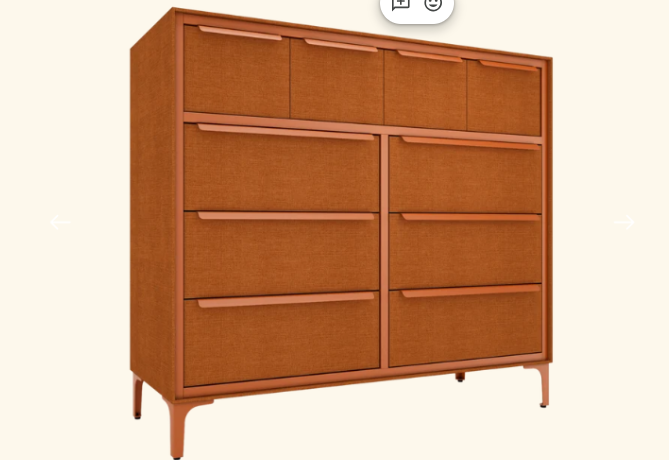
Bedrooms today are asked to do far more than they once did. They hold seasonal wardrobes, extra bedding, accessories, and sometimes even a small work corner, all within a footprint that has not grown to match. Traditional three- or four-drawer chests fill up quickly, leaving clothes stacked on chairs or crammed into overflowing closets. That is why many households are turning to a 10-drawer dresser, a piece that spreads storage across many compartments so every category of clothing has its own place. More drawers mean more organization, because socks, workout gear, sleepwear, and folded knits no longer compete for the same space. Before buying, though, it helps to understand how size, layout, materials, and construction affect daily use. A large piece is a long-term commitment, and a poor match for the room can feel awkward for years. This guide walks through the practical points to consider, from measuring your wall to judging build quality, so the final choice fits both your belongings and your home.
Measuring the Room and Planning the Layout
Start with a tape measure rather than a showroom visit. Note the width of the wall, the ceiling height, and the distance from the wall to the bed or doorway, then add clearance so drawers can open fully without hitting anything. A deep drawer needs at least a meter of free floor in front of it, and tall units should sit away from windows or radiators. Many designs arrange drawers in two columns of five, while others mix wide and narrow compartments for variety. When comparing a 10-drawer dresser to a wardrobe or chest, consider your height and reach as well, because the top and bottom rows are the hardest to use. Place everyday items in the middle rows, and keep rarely used linens at the bottom. Check the weight of the unit, too, since a fully loaded model can be heavy, and plan the route through hallways and stairs before delivery day.
Materials, Joinery, and Drawer Mechanics
Quality shows up in details you can test with your hands. Solid wood and engineered wood both have a place, but look for sturdy joinery such as dovetails or tight dowels instead of stapled corners. Drawers should glide smoothly on metal runners with soft-close action, which prevents slamming and protects the contents. Check that the base panel is thick enough to carry weight without bowing, and that the drawer fronts sit evenly with consistent gaps. Finishes matter as well, since a durable coating resists scratches, moisture, and daily wear. A well-built 10-drawer dresser should also include an anti-tip anchor, which secures the frame to the wall and is an essential safety feature in homes with children. Inspect the handles or recessed pulls for comfort, and confirm that the interior is smooth enough not to snag delicate fabrics. Sample the drawers by pulling them out fully and pressing down on the edges to feel for flex.
Conclusion
Once the piece is in place, a few habits keep it useful. Use dividers or small trays to separate small items, fold clothes vertically so everything is visible at a glance, and label drawers if several people share the unit. The top surface can hold a mirror, a lamp, or a tray for daily essentials, but avoid overloading it. Wipe the surface with a soft, slightly damp cloth, avoid harsh cleaners, and keep it away from direct sunlight to protect the finish. Brands such as tinge offer furniture in a range of finishes and proportions, which gives buyers room to match their existing decor. Tighten hardware every few months, and clear out unused clothing each season so drawers do not become overstuffed. In the end, a thoughtful 10-drawer dresser brings order to a busy room, reduces clutter, and adds a lasting focal point that supports the way you actually live.
