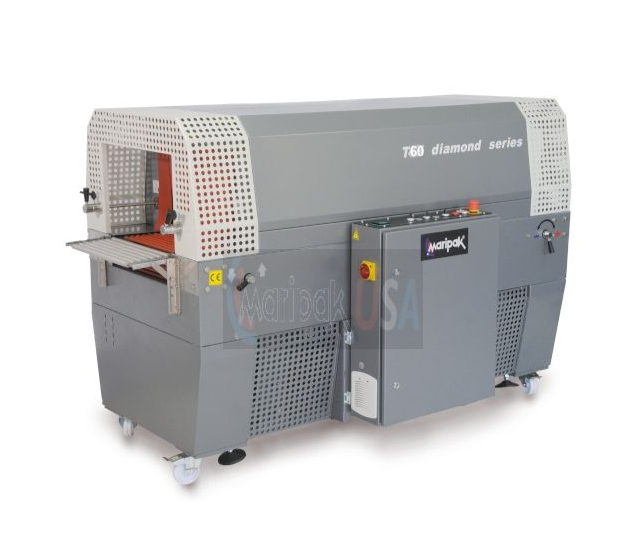
A wrapped package leaves the sealing station looking baggy and loose. Seconds later, it emerges taut and glossy. This guide explains how to set up a heat shrink tunnel, size it correctly, and fix the most frequent problems.
Understanding Dwell Time
Dwell time is how long a package stays inside the heated chamber. It equals tunnel length divided by conveyor speed. A 1.2-metre chamber running at 12 metres per minute gives six seconds of exposure.
That number matters because film needs enough time at the right temperature to contract fully. If speed rises, dwell time falls, and heat may need to increase to compensate. Any heat shrink tunnel setup should start with this calculation.
Core Settings
Temperature
Begin at the low end of the range suggested for the film, then raise it in small steps. Too little heat leaves loose areas, while too much scorches or perforates the film. Polyolefin generally tolerates a wider window than polyvinyl chloride.
Conveyor Speed
Slower speeds raise dwell time and soften the heat requirement. Faster speeds increase output but leave less margin for error. Operators should record the combination that works for each product.
Airflow
Fans circulate hot air around the package, and louvers direct it toward heavier areas. Uneven airflow produces uneven tension, with one side tight and another baggy. Adjust vents until all sides shrink at a similar pace.
A Simple Setup Procedure
1. Wrap a sample package with the chosen film
2. Set a moderate conveyor speed and low temperature
3. Run the sample and examine the result
4. Change only one variable, then run another sample
5. Record the winning combination
Changing one variable at a time shows exactly what each adjustment does. This method saves film and prevents confusing results. After a few runs, a heat shrink tunnel usually settles into a reliable profile.
Matching Film and Product
Film thickness, type, and product shape all change the settings. Thin film shrinks quickly, while heavy gauges need more energy. Products with sharp corners require careful heat to avoid tearing.
Spacing on the conveyor also matters. Packages that touch can shrink unevenly or fuse together, so leave a gap between items. Consistent spacing is one reason an automated infeed improves quality.
Troubleshooting Guide
Loose or Wrinkled Film
Cause: insufficient heat or dwell time. Fix: raise temperature slightly or slow the conveyor. Also check that airflow reaches the affected side.
Burn Marks or Holes
Cause: excess heat, slow movement, or film touching hot surfaces. Fix: lower temperature, increase speed, and confirm that the sealed film is not too close to elements.
Bubbles and Pillowing
Cause: trapped air. Fix: add or enlarge perforations so air escapes during shrinking. Large packages usually need more holes.
Weak or Opened Seals
Cause: dirty or worn sealing equipment upstream, not the chamber itself. Fix: clean and replace sealing wires, then re-test.
A systematic approach keeps a heat shrink tunnel from becoming blamed for faults that start earlier in the process.
Sizing for Your Line
Select an opening that clears the largest package by a comfortable margin. Then choose a chamber length that delivers the required dwell time at your target speed. For example, a 15 metres per minute line needing eight seconds of dwell requires a two-metre chamber.
Plan for growth as well. Slightly more length gives flexibility if output targets rise. Power supply and floor space should be confirmed before ordering.
Safety and Care
Hot surfaces and moving belts require attention. Keep guards in place, wear heat-resistant gloves, and use lockout procedures during maintenance. Ensure the area has adequate ventilation.
Clean belts and rollers regularly, and inspect heating elements and fans on a set schedule. Replace worn belts promptly because slipping reduces dwell-time accuracy. Regular care keeps a heat shrink tunnel running predictably.
Recording and Training
Write down settings for each product, film, and speed. Post them near the machine so operators can switch jobs quickly. Train new staff on safe operation and basic troubleshooting.
Documentation reduces trial and error during changeovers. Every heat shrink tunnel benefits from posted settings. It also helps new operators match the results of experienced ones.
Conclusion
Good results come from understanding dwell time, adjusting one setting at a time, and keeping thorough records. Teams building a complete line often evaluate integrated shrink packaging systems so sealing, conveying, and shrinking work together smoothly. Consistent upkeep and clear procedures keep every shift producing the same tight finish.
