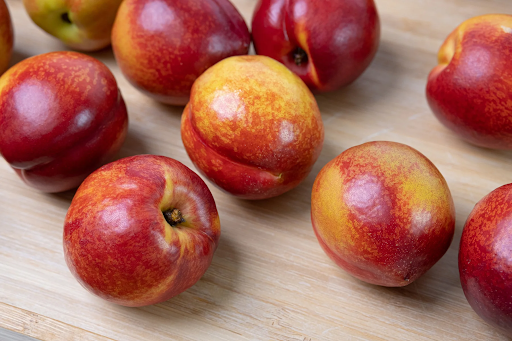
Everything a First-Time Grower Should Know About Planting a Nectarine Tree
A nectarine offers everything most home gardeners hope for in a backyard planting: vivid summer color, generous harvests, and fruit that tastes dramatically better when picked fully ripe than anything found in a grocery store. The nectarine tree is essentially a smooth-skinned peach, and the two share many growing requirements, but nectarines have their own characteristics worth understanding clearly before you make your first purchase.
How Nectarines Differ From Peaches in Practice
The lack of fuzz on nectarine skin means the fruit is more exposed to rain cracking and brown rot — two of the most common problems growers encounter. This makes site selection and airflow even more important than with peaches. On the positive side, nectarines are consistently self-fertile, so a single tree will produce a full crop without needing a second pollinator variety planted nearby.
Chill Hours and Variety Selection
Like peaches, nectarines require a certain number of chill hours — temperatures between 32 and 45 degrees Fahrenheit accumulated through winter — to break dormancy and set fruit properly. Matching this requirement to your local climate is the most critical pre-purchase decision. When evaluating varieties, check these points:
- Low-chill varieties like Sunraycer and Arctic Rose suit warmer Southern and Western climates.
- Standard-chill types like Fantasia and Harko perform well across the Mid-Atlantic and Midwest.
- Dwarf varieties reach six to eight feet and work well in small yards and containers.
- Semi-dwarf varieties balance yield and manageability for most suburban gardens.
Site Preparation and Planting Basics
Select a site with full sun — eight or more hours daily — and excellent drainage. Nectarines are especially sensitive to wet roots, and standing water after rain is a leading cause of early tree loss. If your natural soil drains slowly, planting on a slight mound eliminates the problem before it starts. Space standard trees 15 to 20 feet apart and dwarf varieties 8 to 10 feet apart to allow adequate light and air movement through the canopy. Soil pH between 6.0 and 6.5 produces the best results. Work a few inches of compost into the planting hole to improve structure, but avoid high-nitrogen fertilizer at planting, which pushes leafy growth at the expense of the root establishment your tree needs most in its first season.
Fruit Thinning: The Step Most Beginners Skip
When a young nectarine tree sets a heavy crop, thinning fruit to one per six inches of branch dramatically improves the size and sweetness of what remains. Heavy fruit loads strain branches and can cause structural damage that shortens the tree’s productive life. Thinning feels wasteful the first time, but the improvement in fruit quality makes it one of the most worthwhile tasks of the entire growing season. Pair thinning with consistent, even watering through the ripening period to prevent skin cracking from irregular moisture.
Common Questions Gardeners Ask
Why do nectarines split before ripening? Irregular watering is almost always the cause. When dry periods alternate with heavy watering or rain, the fruit expands faster than the skin can accommodate. Consistent deep watering combined with mulch to moderate soil moisture prevents most splitting. When is the best time to plant? Early in the dormant season, before new growth begins, gives roots time to establish before the demands of summer heat arrive. Removing fallen leaves and fruit debris from around the base of the tree each autumn eliminates overwintering sites for brown rot spores and pest eggs, significantly reducing the disease and pest pressure you face in the following growing season. A nectarine tree treated with that level of attention from its first season typically outperforms older, neglected trees in both fruit size and flavor concentration, which is why the early investment in correct care habits pays such a visible dividend.
Final Thoughts
A nectarine tree rewards growers who pay attention to the details that matter most: chill hours, site drainage, consistent watering, and annual fruit thinning. Get those four things right and the rest of the care routine is straightforward. Few fruit tree harvests in the American home garden feel as satisfying as a basket of fully ripe, homegrown nectarines pulled from a tree you planted and tended yourself.
