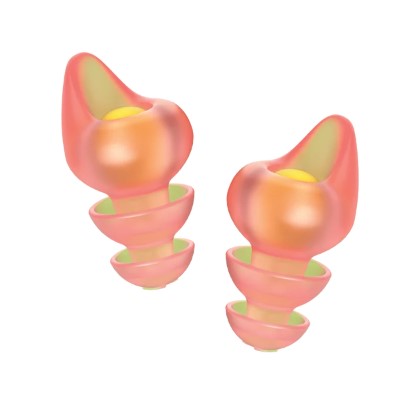
A good night’s sleep depends on more than a comfortable mattress. Traffic, noisy neighbours, a snoring partner, and early-morning activity can all break sleep into fragments and leave you tired the next day. Many people turn to noise-cancelling earplugs for sleeping to create a quieter bedroom without changing anything else about their home. This guide explains how these earplugs work, which materials and styles are available, how to choose the right fit, and how to use and care for them safely, so you can find a solution that supports deeper, more restful sleep.
How Noise-Reducing Earplugs Work
Despite the name, most earplugs do not cancel sound electronically the way noise-cancelling headphones do. They work passively by forming a seal in or at the entrance of the ear canal, which blocks and dampens sound waves before they reach the eardrum. The quality of that seal is what matters most. A snug, comfortable fit reduces everyday disturbances such as traffic, voices, and household noise, while a poor fit lets sound leak around the plug. That is why material, shape, and size are the key factors to consider.
Materials and Styles to Consider
Several materials suit sleepers. Thermoactive earplugs soften with body heat to match the shape of your ear, are washable and reusable, and come in four sizes for a secure, snug fit. Mouldable silicone earplugs adapt to the contours of the ear and form a reliable seal, which makes them suited to extended daily use. Natural beeswax earplugs blend beeswax, olive oil, and cotton, creating a soft, mouldable texture with a dependable grip. Polyurethane foam earplugs expand gently in the ear canal, resist backing out, and create a comfortable seal with reduced expansion pressure. Each option has its own feel, so personal comfort should guide the choice.
Matching Earplugs to Your Situation
Different disruptions call for different priorities. Light sleepers and travellers often want a soft, low-profile earplug that stays comfortable all night. People sharing a room with a snoring partner may value a firmer seal for maximum sound reduction. Side sleepers should look for a slim profile that does not press against the pillow. For people who also need to concentrate in noisy places, reusable options can double as everyday tools for focus. When choosing noise-cancelling earplugs for sleeping, think about your sleeping position, the type of noise you face, and how long you will wear them each night.
Getting the Right Fit
Fit determines both comfort and performance. Check the sizing guidance for the product you choose, since options with multiple sizes make it easier to find a secure fit. Wash your hands before handling earplugs, then insert them gently so they sit snugly without being pushed deep into the canal. Mouldable or thermoactive styles may need a moment to warm and adapt. If a plug feels loose, try another size or shape rather than forcing it, because comfort is essential for wearing them through the night.
Safety, Cleaning, and Nightly Use
Many people use noise-cancelling earplugs for sleeping on a regular basis, and they are generally considered safe when clean, properly fitted, and inserted gently. Reusable types should be cleaned according to the maker’s instructions and stored in a clean case, while single-use foam should be replaced rather than reused. Take a break if your ears feel sore or irritated, and avoid using damaged plugs. Anyone with ear pain, discharge, a history of ear infections, or concerns about hearing should speak with a doctor or audiologist before using them nightly. Because earplugs also dull sounds you may want to hear, consider a vibrating or visual alarm if you worry about oversleeping.
Final Thoughts
A quieter bedroom starts with a comfortable seal, the right material, and good habits. To explore reusable thermoactive, silicone, beeswax, or foam options designed for sleep and focus, Otifleks offers a range worth browsing. Test your fit carefully, keep your earplugs clean, and give yourself a few nights to adjust.
