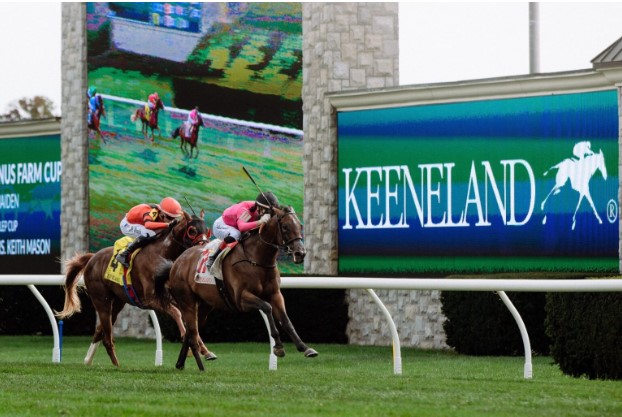
Mumbai has a racing tradition stretching back more than two centuries, and it remains central to the sport in India. Newcomers often find the sport confusing, with unfamiliar terms, changing ground conditions, and a busy calendar of fixtures each season. Following a horse race Mumbai fixture becomes far easier once you know the basics. This blog explains when racing takes place, who runs it, what makes the track distinctive, and how fans can follow news and results. Everything is written in plain language, so no prior knowledge is needed to follow along.
When and Where Racing Takes Place
Racing in the city is held at Mahalaxmi Racecourse, where the season begins in mid-November and ends in the last week of April. Each Mumbai horse race meeting is part of a calendar that includes the Indian Derby, staged in February. Once the Mumbai season wraps up, racing moves to Pune, which hosts fixtures from July to October. This seasonal rotation keeps the sport active for much of the year.
The Club Behind the Action
The Royal Western India Turf Club, or RWITC Mumbai for short, was established in 1800 and organises racing at both Mahalaxmi and Pune. Delhi also races under its rules, which shows the club’s wider influence. The club typically houses around 1,400 horses in training at Mahalaxmi, which shows how large the local racing community is. Club news covers events, updates, safety rules, and important changes that affect racing in India.
Understanding the Track
The track at Mahalaxmi is tight, with a shorter run-in to the finish. Because underfoot conditions can vary, results are sometimes unexpected, and a horse’s form on one type of ground does not always carry over to another. Ground conditions and race positioning can therefore matter as much as a runner’s reputation. Watching several meetings of any horse race Mumbai stages before forming opinions helps newcomers appreciate how these factors shape a race.
Following Results and Race News
Fans who want to check a Mumbai horse race result can use dedicated results services, some of which cover Mumbai alongside more than fifty other racecourses. Racing-focused websites also publish race cards, acceptances, live odds, trackwork details, and video content, giving a fuller picture than the bare finishing order. Reading the result together with the race card helps explain why a favourite struggled or an outsider excelled, especially on a changeable surface.
Practical Ways to Approach Race Day
Anyone searching for Mumbai horse race tips should start with the basics rather than shortcuts. Study the race card, note the distance and going, and compare recent form. Remember that no analysis can guarantee an outcome, because a horse race Mumbai fans follow closely can still produce surprises. Treat any wagering as entertainment, set a strict budget in advance, and stop when the budget is spent. Racing is best enjoyed as a sport first.
Jockeys Who Shaped the Sport
Mumbai has produced some of India’s best-known riders. Pesi Shroff, born in the city in 1965, began his career in 1981 and went on to ride 1,751 winners from 5,614 races, including 29 Derbys. Aslam Kader, born in Mumbai in 1962, rode more than 1,700 winners, including 75 classic races. Their careers show how local talent can rise to national prominence.
Conclusion
Mumbai’s racing scene blends history, a distinctive track, and a devoted community of owners, trainers, jockeys, and fans. Knowing when the season runs, who organises it, and how ground conditions influence results gives newcomers a solid foundation. Follow race cards and results with a curious mind, learn from each meeting, and keep expectations realistic. For regular updates, RaceBuzz is a good place to follow the action. Over time, the patterns that once seemed confusing begin to make sense, and every fixture becomes more rewarding to watch.
