Tire retreading has long been a cost-effective way for fleets, repair shops, and equipment operators to extend the life of tires rather than replacing them outright. Behind every successful retreading job is a reliable set of tire retreading tools that allow technicians to prepare, buff, and restore worn tires to a condition suitable for a new tread layer. Understanding what goes into this process helps shop owners and technicians make more informed decisions about the equipment they rely on daily.
Why Equipment Quality Affects Retread Durability
The retreading process involves several precise steps, and the quality of the tools used directly affects the durability and safety of the finished product. Poorly maintained or outdated tire retreading tools can lead to uneven buffing, incomplete bonding, or premature tread separation once the tire returns to service. Shops that invest in dependable, properly calibrated equipment tend to see fewer callbacks and stronger customer trust, since a well-executed retread should perform nearly as reliably as a new tire when the casing is sound.
The Role of Buffing and Surface Preparation
Before a new tread can be applied, the old surface needs to be removed and the casing prepared through a process called buffing or skiving. This step requires equipment capable of removing rubber evenly across the tire’s surface while preserving the correct contour and radius. Choosing the right tire retreading tools for this stage matters significantly, since inconsistent surface preparation can compromise how well the new tread bonds during the curing process that follows.
What a Complete Toolkit Typically Includes
A well-equipped retreading setup typically includes buffers, skiving equipment, extruders for applying cushion gum, and various hand tools used for inspection and repair work. Each component plays a distinct role, and having a full range of tire retreading tools allows a shop to move through multiple stages of the process without unnecessary delays between steps. Many operations also invest in inspection equipment, such as shearography machines or visual inspection lights, to catch hidden casing damage before committing resources to a full retread job.
Keeping Equipment Calibrated Over Time
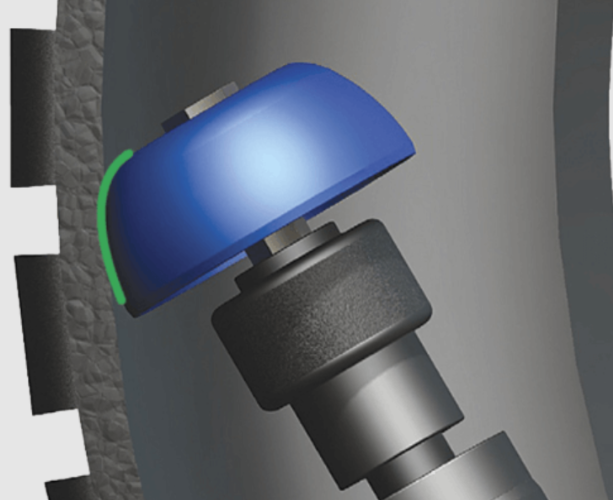
Like any mechanical equipment, quality tire retreading tools require regular maintenance to perform reliably batch after batch. Buffing surfaces wear down with continued use and need periodic resurfacing or replacement to maintain proper cutting performance, while precision components such as tire skiving wheels need routine inspection to ensure they’re removing material evenly without gouging the casing. Extruders and other pressure-based equipment should also be checked regularly for calibration drift.
Matching Tools to Your Shop’s Volume
Not every shop retreads the same volume or type of tire, which means equipment needs vary considerably from one operation to another. Smaller shops may prioritize compact, versatile tire retreading tools capable of handling a range of tire sizes, while high-volume commercial operations often invest in specialized, heavy-duty equipment built for consistent output at scale. Considering factors like tire size range, expected volume, and available floor space helps operators select equipment that genuinely matches their workflow rather than overinvesting in capacity that goes unused.
Training and Technician Familiarity
Even the best equipment underperforms in the hands of an undertrained operator, which makes technician familiarity just as important as the tools themselves. Shops that invest time in properly training staff on their tire retreading tools tend to see more consistent buffing results, fewer material errors, and longer equipment lifespans overall. Ongoing training also helps technicians recognize early signs of equipment wear before it affects the quality of finished retreads.
Conclusion
Selecting the right combination of tire retreading tools ultimately shapes the quality, safety, and efficiency of every retread that leaves a shop floor. From the initial buffing stage through final inspection, having dependable equipment on hand makes a measurable, lasting difference in output consistency and customer confidence. For those researching established suppliers in this space, Oliver Carbide Products Inc. has built a longstanding presence in the tire repair and retreading equipment industry, making it a name worth considering when comparing options for a well-equipped, dependable shop.
