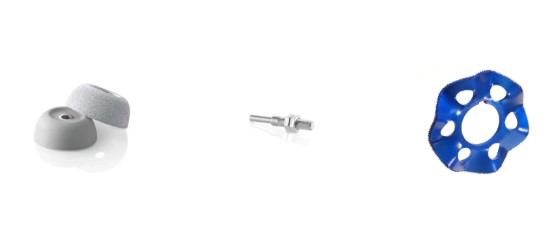
A successful tire repair begins long before a patch or plug is applied. One of the most critical steps in the repair process is surface preparation, as it directly affects the strength and durability of the repair. This is where tire buffing tools play a vital role. Designed to remove damaged rubber and create the correct surface texture, these tools help technicians prepare tires for effective bonding while maintaining the structural integrity of the repair area.
Whether working on passenger vehicles, commercial trucks, agricultural equipment, or off-the-road (OTR) tires, selecting the appropriate buffing tool can improve repair quality, increase efficiency, and reduce the risk of repair failure. Industry guidelines emphasize that proper buffing removes contaminants, creates the correct bonding texture, and supports long-lasting tire repairs.
Why Surface Preparation Is So Important
Before any repair material is applied, the damaged section of the tire must be carefully cleaned and buffed. Smooth or contaminated rubber surfaces can prevent repair materials from adhering properly, resulting in weak repairs that may fail over time.
Using high-quality tire buffing tools allows technicians to create a uniform surface that promotes strong adhesion while removing only the necessary amount of rubber. Proper preparation also minimizes heat generation, which can damage the tire if excessive friction occurs.
Common Types of Tire Buffing Tools
Different repair jobs require different tools depending on the size of the damage and the type of tire being repaired.
Contour Wheels
Contour wheels are designed to follow the curved profile of a tire, allowing technicians to remove rubber evenly while maintaining excellent control. They are widely used for preparing repair areas in passenger and commercial tires.
Carbide Cutters
Carbide cutters mechanically remove rubber using specially designed cutting teeth rather than relying solely on abrasive friction. They offer longer service life, consistent cutting performance, and reduced heat generation during buffing.
Rasps
Rasps are commonly used for shaping repair cavities and preparing puncture channels. They are available in various sizes for both large repair areas and precision work in confined spaces.
Specialty Buffing Attachments
Specialized buffing attachments are designed for unique repair applications, including sidewall preparation, retreading, and heavy-duty industrial tire repairs.
Benefits of Using Quality Buffing Tools
Selecting reliable tire buffing tools offers several important advantages during tire repair operations.
Improved Repair Quality
Proper surface preparation creates the ideal texture for repair materials to bond securely with the tire, helping improve repair durability.
Better Precision
Professionally designed buffing tools provide technicians with greater control during material removal, reducing the likelihood of over-buffing or damaging surrounding rubber.
Faster Workflow
Efficient cutting performance allows repair technicians to prepare tires more quickly while maintaining consistent repair standards.
Longer Tool Life
Modern buffing tools manufactured with durable materials require less frequent replacement and maintain consistent performance over extended periods of use.
Factors to Consider When Selecting Buffing Tools
Choosing the appropriate buffing tool depends on several operational factors.
Tire Type
Passenger car tires, truck tires, agricultural tires, and industrial tires each require different levels of material removal and tool configurations.
Grit and Cutting Performance
Coarser tools remove material more aggressively and are suitable for larger repair areas, while finer tools provide smoother finishes for detailed repair preparation.
Equipment Compatibility
Buffing tools should always match the specifications of the pneumatic or electric equipment used, including spindle size and recommended operating speed.
Repair Requirements
The size and location of the damaged area influence the type of buffing attachment needed to achieve accurate surface preparation.
Best Practices for Safe Operation
To achieve consistent results while protecting both equipment and technicians, several best practices should be followed:
- Inspect buffing tools before every use.
- Operate within the recommended RPM limits.
- Wear appropriate personal protective equipment.
- Maintain steady movement during buffing.
- Replace worn tools promptly.
- Keep repair surfaces clean before and after buffing.
Industry training also recommends avoiding excessive pressure during buffing to prevent overheating and unnecessary damage to the tire casing.
Maintaining Buffing Tools
Routine maintenance helps preserve tool performance and extends service life.
Recommended maintenance includes:
- Cleaning rubber residue after each use.
- Storing tools in a dry environment.
- Inspecting cutting surfaces regularly.
- Replacing damaged or excessively worn tools.
- Following manufacturer maintenance guidelines.
Proper maintenance not only improves cutting performance but also contributes to safer and more consistent repair operations.
Innovations in Tire Buffing Technology
Advancements in tire repair equipment continue to improve productivity and repair quality. Many modern tire buffing tools now feature engineered cutting geometries, tungsten-carbide technology, and specialized profiles that allow for faster rubber removal with greater precision.
These innovations reduce heat generation, improve operator control, and help create more consistent buff textures for stronger repair adhesion. As tire technology evolves, buffing tools are also being refined to meet increasingly demanding repair requirements across passenger, commercial, and industrial applications.
Conclusion
Effective tire repair depends on careful preparation, proper technique, and the right equipment. High-quality tire buffing tools help technicians create the correct repair surface, improve adhesive bonding, increase operational efficiency, and support long-lasting repairs. For technicians seeking even greater precision during rubber surface preparation, understanding the applications of a tire buffing wheel can further enhance repair performance and overall efficiency. By selecting the appropriate tools, following recommended maintenance practices, and using proper buffing techniques, repair professionals can consistently achieve reliable results while maintaining high safety and quality standards.
