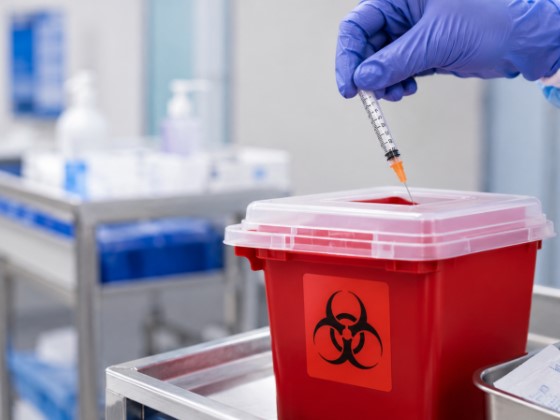
Healthcare facilities generate various types of waste that require specialized handling to prevent injuries, contamination, and environmental risks. Among these materials, sharps waste is one of the most sensitive categories because items such as needles, syringes, scalpels, and other sharp medical instruments can cause accidental injuries if not managed correctly.
Professional sharps waste disposal in Maryland involves a structured process that includes proper containment, scheduled collection, transportation, treatment, and documentation. Healthcare providers, laboratories, dental offices, veterinary facilities, and other organizations that generate sharps waste must follow appropriate procedures to maintain safe working environments and regulatory compliance.
Understanding Sharps Waste in Healthcare Facilities
Sharps waste refers to medical items capable of cutting or puncturing the skin. These materials may carry biological contaminants and require secure disposal methods.
Common examples of sharps waste include:
- Needles
- Syringes
- Scalpels
- Surgical blades
- Lancets
- Medical glass items
Because these materials can create injury risks, they cannot be handled like regular waste. Proper disposal procedures help protect healthcare workers, cleaning staff, waste handlers, and the public.
A professional approach to sharps waste disposal in Maryland ensures that these materials are collected and processed through appropriate waste management systems.
Why Proper Sharps Disposal Is Important
Improper disposal of sharps can create serious safety concerns. Loose needles or improperly stored medical instruments can result in accidental punctures and possible exposure to harmful contaminants.
Effective sharps management helps:
- Reduce workplace injuries
- Prevent contamination risks
- Support healthcare safety standards
- Maintain regulatory compliance
- Protect waste collection personnel
Healthcare facilities must establish clear procedures for disposing of sharps immediately after use.
Sharps Container Requirements and Handling Procedures
Proper containment is one of the most important steps in sharps waste management.
Sharps containers are designed to be:
- Puncture-resistant
- Leak-resistant
- Clearly labeled
- Securely closed when full
These containers should be placed in convenient locations where healthcare workers can safely dispose of used sharps immediately.
Overfilled containers can increase the risk of accidental injuries, which is why facilities must monitor container levels and arrange timely collection.
The Process Behind Sharps Waste Disposal in Maryland
Professional disposal involves multiple stages to ensure safe handling from collection to final treatment.
Collection
The process begins with collecting filled sharps containers from healthcare facilities.
Trained waste professionals handle containers carefully to reduce risks during removal and transportation.
Transportation
After collection, sharps waste is transported using appropriate procedures designed for regulated medical waste.
Proper transportation helps maintain safety throughout the waste management process.
Treatment
Sharps waste undergoes approved treatment methods designed to reduce hazards and make materials safe for final disposal.
Treatment methods may include:
- Sterilization
- Approved processing methods
- Controlled disposal procedures
The specific method depends on waste classification and applicable requirements.
Documentation
Proper records help facilities demonstrate compliance and maintain accountability throughout the disposal process.
Documentation may include:
- Collection records
- Disposal information
- Service documentation
- Compliance records
Healthcare Facilities That Require Sharps Disposal Services
Many organizations generate sharps waste as part of their daily operations.
These may include:
Medical Clinics
Doctors’ offices and outpatient facilities regularly use needles and other sharp instruments during patient care.
Dental Practices
Dental procedures often involve sharp tools that require proper disposal.
Laboratories
Research and diagnostic laboratories may generate sharps waste during testing and sample handling.
Veterinary Facilities
Animal healthcare providers also require safe disposal methods for needles and medical instruments.
Pharmacies and Specialty Facilities
Facilities providing injections or medical services need reliable sharps management systems.
Professional providers create disposal plans based on facility size, waste volume, and operational requirements.
The Role of Scheduled Biohazard Services
Healthcare facilities often require consistent collection schedules to prevent storage issues and maintain safety.
A reliable biohazard pickup service helps organizations manage regulated waste efficiently by providing:
- Scheduled collections
- Safe transportation
- Proper documentation
- Professional handling procedures
Regular pickups ensure that sharps containers do not remain stored beyond recommended limits and help facilities maintain cleaner working environments.
Compliance Considerations for Sharps Waste Management
Healthcare organizations must follow applicable safety and environmental requirements when managing sharps waste.
Important compliance practices include:
- Proper employee training
- Correct container usage
- Safe storage procedures
- Accurate documentation
- Approved disposal methods
Maintaining compliance reduces risks and supports safer healthcare operations.
Professional waste management providers help facilities create structured systems that align with industry expectations.
Common Challenges in Sharps Waste Management
Healthcare organizations may experience challenges such as:
- Increasing waste volumes
- Improper disposal practices
- Limited storage space
- Employee training needs
- Scheduling difficulties
Working with experienced waste professionals can simplify these challenges by providing reliable collection and disposal solutions.
Choosing a Sharps Waste Disposal Provider
Selecting the right provider requires evaluating several factors, including:
- Experience with healthcare waste
- Collection flexibility
- Compliance knowledge
- Documentation support
- Service reliability
A dependable provider should understand the specific needs of different healthcare environments and provide solutions that fit operational requirements.
Secure Waste provides sharps and regulated medical waste services for healthcare facilities throughout Maryland, Virginia, and Washington, D.C., with solutions designed around safe handling, collection, and compliance requirements.
Maintaining a Safe Healthcare Environment
Proper sharps management is an essential part of healthcare safety. Employees should receive training on correct disposal procedures, and facilities should regularly review their waste handling practices.
Important safety measures include:
- Placing sharps containers near usage areas
- Avoiding overfilling containers
- Following disposal procedures
- Scheduling regular waste collections
- Maintaining accurate records
These practices help reduce workplace risks and create safer environments for everyone involved.
Conclusion
Managing medical sharps requires careful planning, proper containment, and professional handling throughout the disposal process. Reliable biohazard pickup services help healthcare facilities maintain safe and compliant waste management systems. Choosing professional sharps waste disposal in Maryland ensures that needles, syringes, and other sharp materials are handled responsibly from collection through final treatment.
