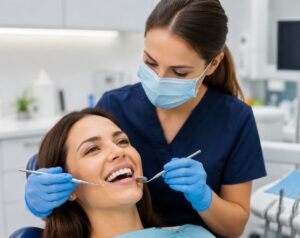
Maintaining good oral hygiene involves more than brushing and flossing every day. While regular home care plays an important role in keeping teeth and gums healthy, professional dental cleaning helps remove buildup that cannot always be addressed through daily routines. Visiting a teeth cleaning dentist allows individuals to receive professional care designed to maintain oral health, identify potential concerns early, and support a healthier smile.
Plaque and tartar can accumulate on tooth surfaces and around the gumline even with consistent brushing habits. Over time, this buildup may contribute to gum irritation, bad breath, cavities, and other dental concerns. Professional cleaning procedures help remove these deposits while allowing dental professionals to monitor overall oral health. Research indicates that professional teeth cleaning removes plaque and tartar from areas that are difficult to clean at home, supporting healthier teeth and gums.
What Does a Teeth Cleaning Dentist Do?
A teeth cleaning dentist focuses on preventive dental care by helping patients maintain clean teeth and healthy gums. During a professional cleaning appointment, dental professionals examine the mouth, remove plaque and tartar buildup, polish teeth, and provide guidance for better oral hygiene practices.
A typical cleaning appointment may include:
- Oral examination
- Removal of plaque and tartar
- Professional polishing
- Flossing between teeth
- Fluoride application when recommended
- Personalized oral care advice
These procedures help maintain oral cleanliness while allowing dentists to identify early signs of potential dental issues.
Why Professional Teeth Cleaning Is Important
Many people assume that brushing and flossing alone are enough to maintain excellent oral health. However, certain areas of the mouth are difficult to clean effectively at home. Plaque that remains on teeth can eventually harden into tartar, which generally requires professional instruments for removal.
Regular appointments with a teeth cleaning dentist can provide several benefits, including:
- Reduced plaque buildup
- Healthier gums
- Fresher breath
- Removal of surface stains
- Better monitoring of oral conditions
- Improved long-term dental maintenance
Professional cleaning is an important part of preventive dentistry because it helps address issues before they become more complicated.
Understanding the Teeth Cleaning Process
A professional cleaning generally involves several steps to ensure thorough care.
Dental Examination
Before cleaning begins, the dental professional checks the condition of teeth and gums. This evaluation helps identify signs of inflammation, cavities, or other concerns that may require attention.
Scaling and Plaque Removal
Scaling involves removing hardened deposits from tooth surfaces, including areas around the gumline where regular brushing may not reach effectively.
Polishing
After removing buildup, polishing smooths tooth surfaces and helps remove certain surface stains caused by foods, beverages, and lifestyle habits.
Preventive Recommendations
The dental professional may provide advice about brushing techniques, flossing habits, and personalized care routines to support ongoing oral health.
Benefits of Regular Dental Cleanings
Routine dental cleanings contribute to maintaining a healthy smile and preventing common dental problems.
Helps Prevent Gum Problems
Plaque and bacteria around the gums can contribute to inflammation. Professional cleaning helps remove these deposits and supports healthier gum tissue.
Supports Cavity Prevention
Removing plaque buildup reduces the presence of bacteria associated with tooth decay. Combined with proper home care, regular professional cleanings support stronger oral hygiene.
Improves Smile Appearance
Professional cleaning can remove certain external stains and leave teeth feeling smoother and cleaner. While cleaning and whitening serve different purposes, maintaining clean teeth provides a strong foundation for cosmetic dental procedures.
Difference Between Teeth Cleaning and Whitening
Many people confuse professional cleaning with cosmetic whitening procedures. Teeth cleaning primarily focuses on removing plaque, tartar, and surface deposits to support oral health. Whitening treatments are designed to improve tooth color by using specialized whitening agents.
Individuals considering a brighter smile may explore options such as a dental whitening treatment after maintaining proper oral hygiene and discussing suitable choices with a dental professional.
Understanding the difference between preventive and cosmetic procedures helps patients choose treatments based on their specific goals.
How Often Should You Visit a Dentist for Cleaning?
The ideal frequency of dental cleaning depends on individual oral health needs. Some people may benefit from routine visits twice a year, while others with specific dental concerns may require more frequent appointments.
Factors that influence cleaning schedules include:
- Gum health
- Oral hygiene habits
- History of cavities
- Existing dental conditions
- Lifestyle factors
A dentist can recommend an appropriate schedule based on a patient’s personal oral health requirements.
Tips for Maintaining Oral Health Between Visits
Professional cleanings work best when combined with consistent daily habits.
Important practices include:
- Brush teeth twice daily
- Clean between teeth regularly
- Use fluoride toothpaste
- Limit excessive sugary foods and drinks
- Schedule routine dental checkups
- Follow professional recommendations
Daily care helps preserve the benefits of professional cleaning appointments and supports long-term dental wellness.
Modern Trends in Preventive Dental Care
Dental care continues to evolve with advancements in technology and patient-focused approaches. Modern practices increasingly use digital tools, improved diagnostic methods, and personalized treatment planning to enhance preventive care.
These developments allow dental professionals to identify concerns earlier and provide more targeted recommendations for maintaining oral health.
Conclusion
Maintaining healthy teeth requires a combination of daily hygiene practices and professional dental care. A teeth cleaning dentist helps remove stubborn buildup, monitor oral health, and provide preventive treatments that support a healthier smile over time. Regular professional cleanings can improve comfort, cleanliness, and confidence while reducing the risk of common dental problems. A consistent oral care routine combined with professional guidance can also help individuals prepare for a dental whitening treatment when they want to enhance the appearance of their smile. By combining routine dental visits with proper home care, patients can maintain better oral hygiene and protect their smiles for years.
