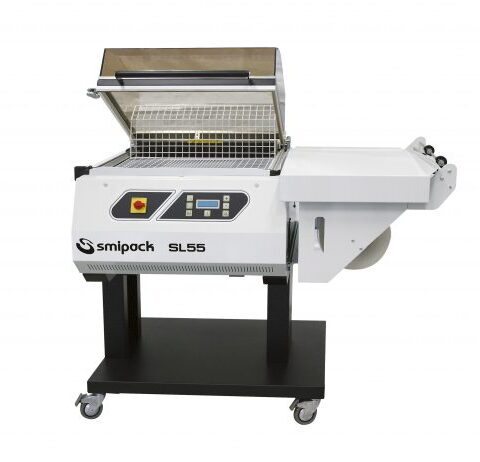
Keeping a shrink wrapper running often comes down to one decision: which replacement components to buy. When you shop for Smipack SL55 parts, you usually face a choice between original manufacturer components and aftermarket alternatives. Both can work, but they fit different priorities, and knowing the trade-offs helps you avoid downtime and wasted spend. The right call depends on which component is failing and how central it is to seal quality.
It helps to map out your wear items before a breakdown forces a rushed purchase. Knowing which Smipack SL55 parts you replace most often lets you stock the right spares and avoid emergency shipping. A short conversation with your supplier about typical service intervals can turn reactive buying into a planned, budget-friendly routine.
What This Choice Means in Practical Terms
The SL55 is a compact L-sealer that depends on a few critical wear items, including the cross seal bar, seal wire, and PTFE coverings. A small mismatch in these components changes seal pressure and heat transfer, which directly affects pack quality. So the real question is not only price, but how closely a part matches the original geometry and how long it lasts in service.
Option One: Original Manufacturer Components
Original components are built to the exact tolerances the machine was designed around. They tend to drop in without filing, drilling, or shimming, and they hold their dimensions through heat cycling. For a shop that values predictable results and minimal fitting time, genuine Smipack SL55 parts are the low-risk path, especially for seal bars and electronics.
Option Two: Aftermarket Alternatives
Aftermarket suppliers can offer faster availability and lower cost on common wear items like seal wire and PTFE tape. Quality varies, so the decision depends on how well the supplier documents materials and dimensions. For non-critical consumables, a reputable alternative can be sensible; for precision parts, caution pays off.
Cost and Value Factor
Compare total cost, not sticker price. A cheaper component that fails early or produces weak seals costs more once you count scrap and labor. Sometimes a mid-priced part with proven longevity is the smartest value.
Safety and Quality Factor
Seal bars and heating elements carry heat and electrical load, so material quality matters for safe operation. Confirm temperature ratings and insulation specs before installing anything that was not made for the machine.
User Experience Factor
Parts that fit on the first try keep technicians happy and changeovers short. Components that need rework frustrate the crew and invite mistakes during a rushed repair.
How to Choose the Right Fit
Decide based on how critical the part is. For seal bars, wires, and control components, lean toward genuine Smipack SL55 parts to protect reliability. For routine consumables, a vetted alternative may be fine. Always confirm dimensions and ratings against your machine documentation before ordering, and keep the original part numbers on file so reorders are fast and accurate.
- Critical or precision part: favor genuine components
- Routine consumable: a vetted alternative may work
- Always verify dimensions and ratings first
Before committing to either route, it helps to talk through your specific failure history with a knowledgeable supplier. The components that fail most often on your line deserve the closest scrutiny, while parts that rarely wear out may not justify paying a premium. A short discussion about service intervals and material quality usually clarifies where genuine components earn their cost and where a well-documented alternative is perfectly safe.
Keep a simple decision rule on file so the next purchaser does not have to relearn it. Anything that affects heat, pressure, or electrical safety leans toward the original specification, while routine consumables can follow a vetted, lower-cost path. That clarity keeps both reliability and budget in balance over many reorders.
Final Thoughts
The right call balances cost, fit, and the role each component plays in seal quality, and matching parts to the machine specification keeps the line predictable. Plants that take the same disciplined approach to other equipment, such as servicing a highlight industries pallet wrapper, find that careful sourcing of every spare protects uptime far more than chasing the lowest price.
