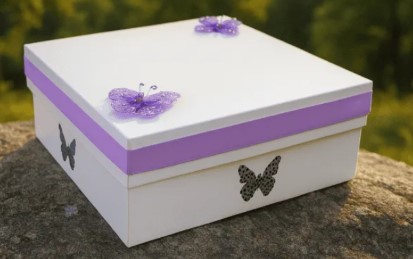
Butterfly releases have become a popular tradition at weddings, memorials, celebrations, and community gatherings. Many people view butterflies as symbols of transformation, hope, remembrance, and new beginnings. When conducted responsibly and with proper planning, a butterfly release can create a memorable experience while allowing participants to appreciate the beauty of nature.
Understanding how to release butterflies correctly is essential for ensuring the health and well-being of the butterflies while creating a successful event. Proper preparation, timing, and environmental conditions all play important roles in achieving a positive experience.
Why Butterfly Releases are Popular
Butterflies have long been associated with change, growth, and renewal. Their life cycle serves as a powerful reminder of transformation, making them a meaningful addition to various ceremonies and celebrations.
People often choose butterfly releases for occasions such as:
- Weddings
- Memorial services
- Graduation ceremonies
- Religious events
- Community celebrations
- Educational programs
Choosing the Right Conditions
Successful butterfly releases depend heavily on environmental conditions. Butterflies are sensitive to weather and temperature, which can affect their ability to fly properly.
Temperature Considerations
Butterflies generally require warm temperatures to remain active. Cool weather can limit movement and prevent butterflies from flying immediately after release.
Weather Conditions
Sunny and calm conditions are typically ideal. Strong winds, heavy cloud cover, or rain can make releases more challenging and may affect butterfly behavior.
Timing Matters
Many organizers schedule releases during daylight hours when butterflies are naturally active. Mid-morning through early afternoon often provides favorable conditions for flight.
Preparing for the Release
Before the event, participants should receive instructions regarding handling procedures. Butterflies should remain in their designated containers until the planned release time to minimize stress and disturbance.
Organizers should also select an open outdoor location free from major obstacles that could interfere with flight patterns. Gardens, parks, and open landscapes are commonly chosen settings because they provide natural surroundings that complement the experience.
Understanding Release Methods
There are several ways to conduct a butterfly release depending on the size and nature of the event.
Individual Releases
Individual releases allow participants to hold a small container and release a butterfly personally. This approach is often used during weddings and memorial ceremonies because it creates a more personal connection to the experience.
Group Releases
Larger events may involve releasing multiple butterflies from a decorative container. This method can create a dramatic visual effect while allowing attendees to share the moment.
Educational Demonstrations
Schools and community organizations sometimes incorporate butterfly releases into educational programs focused on life cycles, conservation, and environmental awareness.
Responsible Butterfly Release Practices
Responsible release practices are important for protecting butterflies and supporting environmental stewardship.
Organizers should ensure that butterflies are handled carefully and released in suitable habitats. Following regional guidelines and sourcing butterflies from reputable providers can help promote ethical release practices.
Individuals researching how to release butterflies should also familiarize themselves with local regulations and recommendations regarding butterfly species and release locations.
Creating a Memorable Experience
A butterfly release can become even more meaningful when incorporated thoughtfully into an event. Some ceremonies include readings, moments of reflection, or symbolic messages that highlight the significance of the occasion.
Photography is another common element of butterfly releases. Capturing the moment can provide lasting memories while documenting a unique experience shared by participants.
Conclusion
For those researching where to buy butterflies to release, it is important to work with reputable providers that follow responsible breeding and handling practices. Taking time to understand proper release procedures, environmental conditions, and event planning considerations can contribute to a successful experience. When approached thoughtfully and responsibly, butterfly releases can provide a meaningful and memorable way to celebrate important life events while appreciating the beauty of nature.
