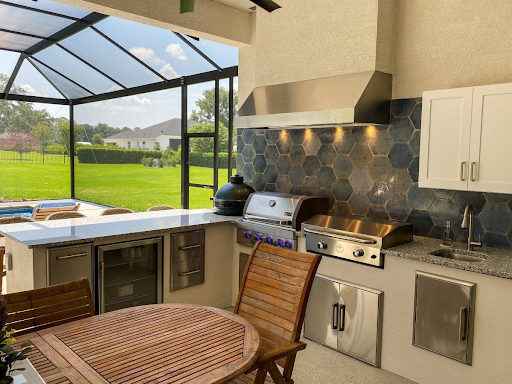
A 60 kitchen hood is designed for oversized residential kitchens, commercial-style cooking appliances, and luxury culinary spaces where superior ventilation is essential. Larger cooktops and professional gas ranges generate substantial amounts of smoke, grease, steam, and heat, requiring a ventilation system with greater capture area and higher airflow than standard-sized hoods. Understanding the technical specifications of a 60 kitchen hood helps homeowners and kitchen designers select equipment that delivers optimal performance and long-term reliability.
Modern 60 kitchen hood models are engineered with commercial-grade construction, powerful blower systems, stainless steel baffle filters, and advanced lighting options. These ventilation systems are commonly installed above 48- to 60-inch professional ranges and are available in wall-mounted, island, insert, and custom configurations to accommodate different kitchen layouts.
Airflow (CFM) Requirements
The most important performance specification of a 60 kitchen hood is airflow, measured in Cubic Feet per Minute (CFM).
Typical recommendations include:
- 1,200–1,500 CFM for high-output residential cooking
- 1,500–2,000+ CFM for professional-style ranges
- Higher airflow for grilling, wok cooking, and multi-burner operation
- Balanced ventilation based on kitchen size and cooking frequency
Proper airflow ensures efficient removal of airborne grease, smoke, and cooking odors while maintaining indoor air quality.
Blower Configurations
Different blower designs affect both airflow performance and operating noise.
Common blower options include:
- Internal blowers
- Dual internal blowers
- Inline blowers
- Remote exterior blowers
Remote blower systems reduce kitchen noise by relocating the motor outside the cooking area, while dual blowers deliver the airflow required for heavy-duty cooking.
Ductwork Design Considerations
Efficient ventilation depends on correctly designed duct systems.
Best practices include:
- Large-diameter ducting
- Straight duct runs whenever possible
- Minimal elbows and transitions
- Proper roof or wall vent termination
- Compliance with local building regulations
- Makeup air systems for high-CFM installations
Poor duct design can significantly reduce the effective performance of a 60 kitchen hood.
Filtration Technology
Premium ventilation systems use advanced filtration to protect internal components and improve airflow.
Common filter types include:
- Stainless steel baffle filters
- Commercial grease filters
- Dishwasher-safe filter assemblies
- Charcoal filters for recirculating applications
Baffle filters are preferred for professional-style kitchens because they efficiently separate grease while maintaining unrestricted airflow.
Construction Materials
Professional-grade 60 kitchen hood units are commonly manufactured using:
- 304 stainless steel
- 430 stainless steel
- Welded steel housing
- Heavy-duty blower assemblies
- Tempered glass accents on select models
Stainless steel provides excellent corrosion resistance, structural strength, and simplified maintenance.
Installation Standards
Proper installation improves capture efficiency and long-term performance.
Important installation factors include:
- Hood width extending beyond the cooking surface where possible
- Recommended mounting height above gas and electric ranges
- Correct electrical connections
- Secure structural mounting
- Manufacturer-approved duct sizing
Professional installation helps ensure the ventilation system performs according to its rated specifications.
Maintenance Recommendations
Routine maintenance preserves ventilation efficiency.
Maintenance should include:
- Cleaning baffle filters regularly
- Inspecting blower performance
- Removing grease accumulation
- Checking ductwork for obstructions
- Replacing charcoal filters when operating in ductless mode
Consistent maintenance extends equipment life and supports reliable airflow.
Conclusion
A kitchen range hood should be selected based on airflow requirements, blower configuration, duct design, and installation standards. Investing in a professionally engineered 60 kitchen hood ensures efficient ventilation, improved indoor air quality, and dependable performance for large residential kitchens and professional cooking environments.
