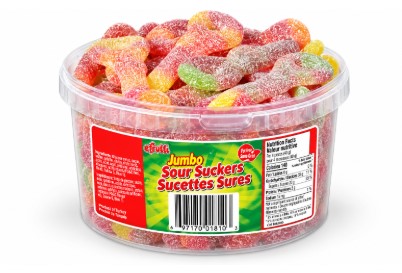
Candy can serve several purposes in a foodservice business. Restaurants may offer small sweets with orders, cafés can use candy as an impulse purchase near the counter, and caterers may include packaged treats in event offerings. Buying wholesale candy can make it easier for businesses to maintain a consistent supply while purchasing products in quantities suited to regular operations. However, selecting candy in bulk requires more than simply comparing package sizes or prices.
Consider the Type of Business
The right wholesale candy assortment depends heavily on where and how the products will be sold or served. A café may prefer individually wrapped pieces that can be placed near the checkout area, while a restaurant might need smaller portions for complimentary treats or dessert presentations.
Businesses serving families may also look for familiar flavours and recognizable brands, whereas specialty shops may benefit from products that offer something different from standard confectionery selections. Identifying the intended customer and use case helps narrow the choices before placing an order.
Compare Packaging and Case Sizes
Bulk purchasing often means products are packaged by case rather than as individual retail units. That can be practical for businesses with steady demand, but the quantity should match expected usage.
Before ordering, consider how quickly the product is likely to move and how much storage space is available. Ordering cases that are too large can create unnecessary inventory, while smaller quantities may require more frequent purchasing.
Packaging also matters when wholesale candy is being sold individually. Individually wrapped products can be easier to portion, display, and distribute while helping maintain product handling standards.
Pay Attention to Product Variety
A broad candy selection can give businesses flexibility when serving different customer preferences. Common categories include hard candies, gummies, chocolates, mints, lollipops, and other individually packaged confectionery.
Rather than carrying every available type, businesses can begin with products that align with their customers. Sales patterns can then help determine which flavours, formats, or categories deserve more shelf or storage space.
Seasonality is another consideration. Certain colours, flavours, and themed products may have greater relevance during holidays, celebrations, or special events. Planning purchases around these periods can help businesses avoid carrying excessive inventory after demand declines.
Review Storage Requirements
Candy may appear simple to store, but different products can have different handling considerations. Chocolate, for example, can be sensitive to heat and temperature fluctuations, while some other confectionery products may be less affected.
Businesses should review packaging instructions and supplier recommendations before deciding where inventory will be kept. A clean, dry, organized storage area can also make stock rotation easier.
Using a first-in, first-out approach can help businesses sell older inventory before newer shipments. Checking package dates and organizing cases by arrival date can support better inventory management.
Evaluate Supplier Reliability
Price is only one part of a bulk purchasing decision. A supplier should also be assessed based on product availability, ordering processes, delivery coverage, case quantities, and consistency.
Foodservice distributors can be particularly useful when businesses purchase multiple categories of products from the same source. Mia Food Service, for example, describes its catalogue as containing more than 4,000 products and serves restaurants, bars, cafés, and bakeries across the Greater Toronto Area and nearby communities.
Delivery schedules are also worth considering. Businesses with limited storage space may benefit from ordering according to predictable consumption patterns rather than accumulating large amounts of stock.
Calculate the Overall Cost
The lowest listed price does not always represent the lowest operating cost. Businesses should consider the number of units per case, expected product usage, delivery charges, storage requirements, and potential waste.
Calculating the cost per individual serving or unit can provide a clearer comparison between different package sizes. This approach also makes it easier to determine whether a bulk purchase fits within the business’s normal purchasing budget.
Conclusion
Buying confectionery in larger quantities can simplify inventory planning when businesses choose products, packaging, quantities, and storage arrangements according to actual demand. For businesses looking to coordinate candy purchases with broader restaurant supply in Toronto, evaluating product variety, case sizes, delivery options, and overall operating costs can provide a practical starting point. Comparing suppliers on more than price can also help create a more dependable purchasing process.
