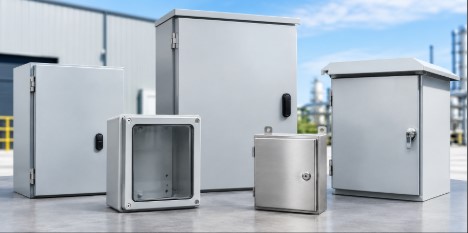
Electrical and electronic equipment rarely fails because of a bad circuit alone. More often the cause is the environment around it: dust that clogs a cooling fan, water that reaches a terminal block, or a chemical wash that corrodes a latch. An enclosure is the first line of defense against all of these, and standard catalog boxes do not always fit the job. That is why many engineers and plant managers across the United States turn to custom NEMA enclosures when cutout locations, mounting patterns, or internal dimensions fall outside what an off-the-shelf unit can offer. The National Electrical Manufacturers Association defines a rating system that describes which conditions a housing can withstand, and understanding it prevents both under-protection and overspending. This article explains how to read those ratings, which materials suit which settings, and what details to prepare so that a modified or fully fabricated enclosure arrives ready to install.
Reading the NEMA Rating System
NEMA type numbers group enclosures by the hazards they protect against. Type 1 suits clean, dry indoor spaces and mainly prevents accidental contact with live parts. Type 3R adds protection against rain and sleet and is common on outdoor equipment. Type 12 guards against dust, dripping liquids, and light splashing, which makes it a frequent choice on factory floors. Washdown areas and corrosive settings call for higher ratings such as Type 4, which resists hose-directed water and windblown dust, and Type 4X, which adds corrosion resistance. Hazardous locations with flammable gases or dust follow separate classifications, so never assume a general-purpose rating covers them. Ratings also differ from the IP codes used in Europe, so conversions are approximate rather than exact. When you request custom NEMA enclosures, state the rating you need rather than only the dimensions, because machining cutouts, adding windows, or fitting glands can change how well a box keeps out water. Always confirm that modifications preserve the original rating and ask for supporting documentation.
Choosing Materials, Finishes, and Features
Material selection follows the environment. Painted carbon steel is economical and strong for indoor use, while stainless steel in grades 304 and 316 resists rust in food processing, pharmaceutical, and marine settings. Aluminum is lightweight and corrosion-resistant, suiting outdoor installations where weight matters. Fiberglass and polycarbonate do not rust and handle many chemicals, which makes them popular near treatment plants. Beyond the shell, think about gaskets, hinges, and latches, since these decide whether the seal holds after thousands of openings. Consider heat as well: sealed boxes trap warmth, so you may need fans with filters, heat exchangers, or air conditioners sized to the internal load. Sun shields help outdoors, and heaters prevent condensation in cold climates. Mounting panels, DIN rails, grounding studs, and door-mounted pockets make wiring cleaner and service faster.
Conclusion
Provide external and internal dimensions, door swing, cutout sizes and positions, conduit entries, and the weight of components. Mention the operating temperature range, exposure to chemicals or washdown, and any agency listings such as UL that your project requires. After installation, inspect gaskets and fasteners regularly, clean vents, and verify that doors close squarely. For wet or corrosive settings, NEMA 4X enclosures are often the starting point because the added corrosion protection extends service life where standard painted boxes would pit and flake. Build in spare room for future additions, because crowded panels run hotter and are harder to service. Request a proof drawing or sample for approval before full production, and check tolerances on holes where connectors must fit exactly. Plan lifting and mounting hardware too, since large cabinets need rigid supports and proper sealing at wall penetrations. In short, a well-specified enclosure protects equipment, reduces downtime, and simplifies compliance. By defining the rating, material, and cooling needs up front, buyers of Custom NEMA Enclosures avoid costly rework and get a housing that performs reliably for many years.
