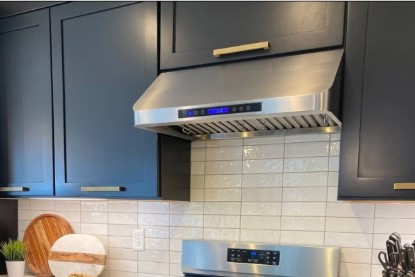
A well-ventilated kitchen is not just about comfort but also about long-term hygiene, appliance durability, and indoor air quality. Cooking releases grease particles, smoke, and odors that can quickly accumulate if not properly managed. This is where an under-cabinet exhaust hood becomes an essential component in modern kitchens. It helps capture airborne contaminants directly from the cooking surface, improving air circulation and keeping surrounding cabinets cleaner. However, improper installation can significantly reduce its effectiveness and even lead to safety issues. Understanding correct installation practices and common mistakes ensures better performance and a longer lifespan of the system.
Proper Installation Approach and Key Considerations
Installing an under-cabinet exhaust hood requires careful attention to height, alignment, and ducting configuration. Ideally, the hood should be positioned 24 to 30 inches above the cooking surface to balance efficiency and safety. If installed too high, it fails to capture smoke effectively; if too low, it may obstruct cooking space or be damaged by heat.
A critical step is ensuring proper venting. Ducted systems should have minimal bends to allow smooth airflow, while ductless systems must use high-quality carbon filters for odor control. Electrical wiring should also be handled safely, preferably by a licensed technician, to avoid hazards.
Another important factor is matching the hood’s capacity to the kitchen’s size and the stove’s output. A mismatched under-cabinet exhaust hood may either underperform or consume unnecessary energy. Proper sealing around joints also prevents air leakage, ensuring maximum suction efficiency.
Common Installation Mistakes to Avoid
One of the most frequent mistakes homeowners make is incorrect placement height. Even a high-quality under-cabinet exhaust hood will fail to perform if it is not aligned correctly with the cooking range. Another issue is ignoring duct size compatibility, which restricts airflow and reduces suction power.
Many installations also suffer from poor vent routing. Excessively long or bent ductwork forces the motor to work harder, increasing noise and reducing efficiency. Skipping professional installation is another major error, as improper electrical connections or weak mounting can create long-term risks.
Using the wrong filter type or neglecting to install filters altogether is another oversight. A properly functioning under-cabinet exhaust hood depends on clean filters to trap grease and maintain airflow efficiency. Regular inspection after installation helps avoid these long-term performance issues.
Performance Optimization and Maintenance Practices
To ensure long-lasting efficiency, routine cleaning is essential. Grease buildup on filters and internal surfaces can reduce airflow significantly and increase fire risk. Cleaning metal filters every few weeks helps maintain optimal performance. In addition, checking duct connections periodically ensures that no air leakage develops over time.
Motor performance should also be monitored for unusual noise or vibration, as these can indicate blockages or wear. A well-maintained under-cabinet exhaust hood operates quietly and efficiently, contributing to a cleaner cooking environment while minimizing energy consumption.
Proper lighting integration and fan speed usage can further enhance usability. Using appropriate fan speeds depending on cooking intensity helps extend motor life and maintain consistent air quality in the kitchen.
Conclusion
Successful installation and maintenance of a kitchen ventilation system depend on precision, planning, and awareness of common pitfalls. A carefully selected 36-inch kitchen exhaust hood can offer balanced coverage and efficient airflow for most standard kitchen layouts. When properly installed and maintained, it ensures cleaner air, reduced grease buildup, and a healthier cooking environment. Choosing the right size and configuration is especially important for optimal performance, particularly in compact or mid-sized kitchens where ventilation demand is higher.
