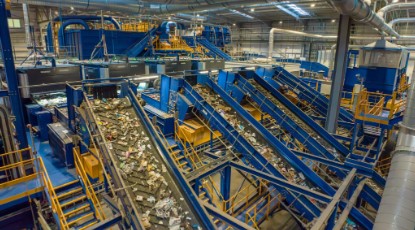
Industrialisation has significantly boosted global economic growth, but it has also led to a surge in waste generation. Without proper management, industrial waste contributes to soil degradation, water contamination, and air pollution. This is where industrial waste recycling plays a crucial role. By adopting efficient recycling techniques, industries can reduce environmental impact while improving resource efficiency and compliance with environmental regulations.
Mechanical Recycling Techniques
Mechanical recycling is one of the most widely used methods in industrial waste recycling. It involves physically processing waste materials without altering their chemical structure. Common steps include sorting, shredding, washing, and reprocessing.
For example, plastic waste from manufacturing units can be shredded and melted into pellets, which are then reused to produce new products. Metals such as aluminium and steel are also commonly recycled mechanically, reducing the need for energy-intensive mining. This method is fast, cost-effective, and significantly reduces landfill waste.
Chemical Recycling Methods
Chemical recycling breaks down waste materials into their basic chemical components, allowing them to be reused in new production processes. This technique is particularly effective for complex materials like mixed plastics or hazardous industrial byproducts.
Processes such as pyrolysis and gasification convert waste into fuels or raw chemicals. These outputs can be used in energy generation or as feedstock for new manufacturing. Chemical recycling is gaining popularity because it can handle materials that are difficult to recycle mechanically, making it a powerful tool in reducing industrial pollution.
Waste-to-Energy Conversion
Waste-to-energy (WTE) technologies transform non-recyclable industrial waste into usable energy such as electricity, heat, or fuel. Incineration is the most common method, where waste is burned under controlled conditions to generate power.
Advanced WTE systems include anaerobic digestion and plasma gasification, which produce fewer emissions compared to traditional incineration. By converting waste into energy, industries not only reduce landfill dependency but also lower their reliance on fossil fuels, contributing to a cleaner environment.
Biological Treatment Processes
Biological recycling methods use microorganisms to decompose organic industrial waste. Techniques such as composting and anaerobic digestion are particularly effective for industries dealing with food processing, agriculture, and biodegradable materials.
These processes break down organic matter into useful byproducts like biogas and nutrient-rich compost. This not only reduces pollution but also creates valuable resources that can be reused in agriculture or energy production. Biological treatments are eco-friendly and align well with sustainable industrial practices.
Industrial Symbiosis
Industrial symbiosis is an innovative approach where waste or byproducts from one industry become raw materials for another. This collaborative system minimises waste generation and maximises resource efficiency.
For instance, heat generated from one manufacturing process can be used by a nearby facility, or waste chemicals from one plant can serve as inputs for another. This interconnected model reduces overall pollution and supports a circular economy, making industrial waste recycling more efficient and sustainable.
Advanced Filtration and Separation Technologies
Modern filtration and separation technologies play a key role in managing industrial liquid and gaseous waste. Techniques such as membrane filtration, electrostatic precipitation, and centrifugation help remove contaminants from wastewater and emissions.
These systems ensure that harmful substances are captured before they enter the environment. Industries such as pharmaceuticals, textiles, and chemicals heavily rely on these technologies to meet environmental standards while recovering valuable materials from waste streams.
Digitalisation and Smart Waste Management
The integration of digital technologies is transforming industrial waste recycling. Sensors, data analytics, and artificial intelligence are being used to monitor waste generation, optimise recycling processes, and improve efficiency.
Smart waste management systems can identify recyclable materials more accurately and reduce processing time. This leads to faster pollution reduction and better compliance with environmental regulations. Digital tools also help industries track their sustainability goals and improve overall waste management strategies.
Conclusion
Effective industrial waste recycling is essential for reducing pollution and promoting sustainable development. Techniques such as mechanical and chemical recycling, waste-to-energy conversion, biological treatment, industrial symbiosis, and advanced filtration technologies are helping industries minimise their environmental footprint. Integrating these approaches with emerging practices like organics recycling will further strengthen global efforts toward a cleaner and more sustainable future. As innovation continues, these methods will become even more efficient and accessible.
