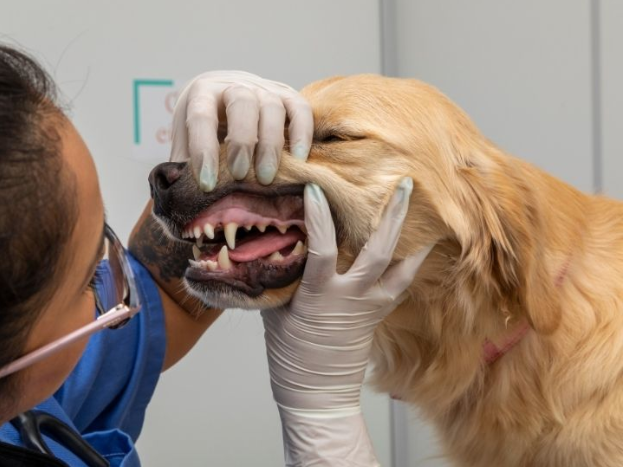
When people think about their pet’s smile, the first thing that usually comes to mind is how it looks: white teeth, fresh breath, a clean-looking mouth. But dental appearance and dental function are far more connected than most pet owners realize, and that connection is exactly why pets cosmetic dental surgery has become such an important part of modern veterinary care. What looks like a purely cosmetic issue, such as a chipped tooth, discoloration, or a slightly crooked bite, can often be a visible sign of an underlying functional problem that affects how comfortably your pet eats, chews, and lives day to day.
Why Appearance Is a Window Into Function
A pet’s teeth are working tools, not just decorative features. Every visible change in a tooth’s shape, color, or alignment usually reflects something happening beneath the surface. Discoloration can indicate nerve damage or a dying tooth root. A fractured crown, even a small one, can expose sensitive dentin or the pulp cavity, creating pain that many pets instinctively hide. Misaligned teeth can cause abnormal wear patterns, trauma to the soft tissue of the mouth, or difficulty properly gripping and chewing food. In each case, what starts as a cosmetic concern is often the outward sign of a functional issue that, left untreated, can worsen over time.
The Hidden Cost of Ignoring Cosmetic Dental Issues
Pets are remarkably good at masking pain, which means dental problems are frequently more advanced than they appear. A cracked tooth that looks like a minor cosmetic flaw may already involve nerve exposure. A pet with a slightly uneven bite might be compensating by chewing predominantly on one side of the mouth, leading to uneven wear, muscle strain, and long-term jaw discomfort.
Owners often wait to address these issues because they don’t seem urgent from a visual standpoint, but delaying treatment can allow a manageable problem to progress into an infection, an abscess, or a tooth that can no longer be saved.
How Cosmetic Dental Procedures Support Oral Health
This is where the overlap between form and function becomes clear. Procedures that improve a tooth’s appearance, such as bonding, crowns, smoothing rough enamel, or correcting minor alignment issues, frequently also restore proper bite mechanics, protect exposed dentin, and prevent further deterioration.
A well-fitted crown on a fractured tooth, for example, doesn’t just make the tooth look whole again; it seals off a vulnerable area from bacteria and reduces the risk of infection spreading to the root or jawbone. In this sense, cosmetic dental work and functional dental care aren’t separate categories at all, but two sides of the same treatment.
Common Signs Worth Watching For
Pet owners don’t need to be dental experts to catch early warning signs. Some of the most common indicators that a cosmetic issue may also be a functional one include:
- Visible discoloration on one or more teeth, especially a grey, pink, or brown tint.
- Chipped or fractured teeth, even if the pet doesn’t seem to be in obvious pain.
- Reluctance to chew on one side of the mouth, or dropping food while eating.
- Excessive drooling or pawing at the face.
- Noticeable tartar buildup concentrated around a single tooth.
- Bad breath that persists despite regular brushing.
Any of these signs is worth a professional evaluation, since what looks like a small cosmetic detail can be an early clue to a bigger functional concern.
Why Professional Evaluation Matters
Because cosmetic and functional dental issues are so closely linked, it’s important that any cosmetic concern is evaluated by a veterinary professional rather than dismissed as a purely aesthetic issue. A thorough dental exam, often supported by dental X-rays, can reveal whether a tooth’s root is healthy, whether the jaw alignment is contributing to abnormal wear, and whether any restorative work is needed alongside cosmetic correction. This kind of evaluation ensures that treatment addresses the full picture rather than just the visible surface.
The Role of Regular Dental Checkups
Routine dental checkups help identify oral problems before they become painful or costly. A veterinarian can spot small chips, discoloration, bite irregularities, and other subtle changes before they develop into serious concerns. Regular cleaning also reduces plaque and tartar buildup that can hide warning signs and accelerate dental deterioration.
Early assessment may also determine whether pets’ cosmetic dental surgery could be appropriate for addressing a dental issue affecting appearance or oral function. This proactive approach supports earlier treatment and better long-term dental health.
Bringing Appearance and Function Together
Ultimately, a pet’s dental health shouldn’t be thought of as two separate priorities, one for looks and one for function. A tooth that looks healthy is far more likely to function well, and a tooth that functions well is far more likely to look healthy too. When cosmetic dental concerns are addressed early and thoughtfully, with attention to the underlying structure and not just the surface appearance, pets benefit from both a better smile and a more comfortable, fully functional bite.
Conclusion
The line between cosmetic and functional dentistry in pets is often thinner than owners realise, making visible dental concerns worth proper attention. A discolored tooth, small chip, or uneven bite may indicate discomfort or an underlying problem that is not immediately obvious. Timely evaluation can help protect a pet’s oral health, comfort, and quality of life.
In some cases, pets cosmetic dental surgery may be considered when a dental concern affects both appearance and function. Pet Point Veterinary Clinic provides veterinary care that recognises dental health as part of overall wellbeing. For owners seeking a reliable pets dental clinic in Dubai Silicon Oasis, professional evaluation can help identify concerns early.
