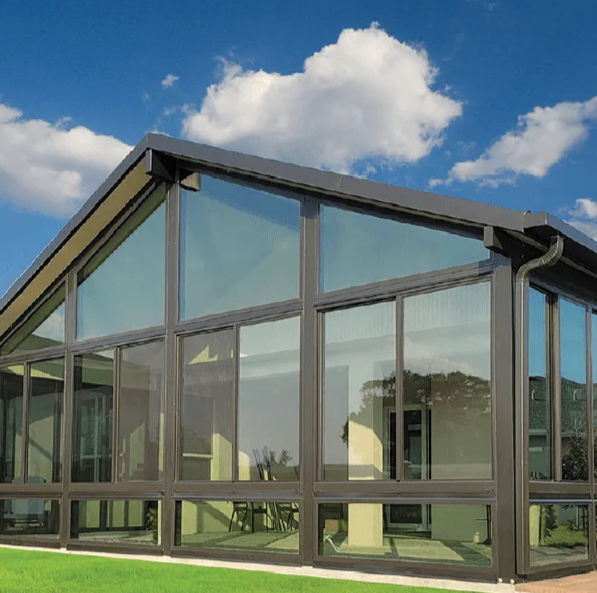
Florida homeowners often want more living space without a full addition, and a sunroom is one of the most popular ways to get it. A sunroom brings in natural light, offers views of the yard, and creates a comfortable spot that is protected from rain and insects. For anyone researching sunrooms in Port St. Lucie, understanding the basic options and local conditions helps avoid costly surprises. This guide covers the main types, design choices, and planning steps worth reviewing before a project begins.
What a Sunroom Actually Is
A sunroom is an enclosed room built mostly of glass or large window panels, usually attached to an existing home. Common versions fall into two broad groups. Three-season rooms are designed for mild weather and may not include full heating and cooling. Four-season rooms are built to be comfortable year-round and are often insulated and connected to the home’s climate control. Knowing which version fits your goals shapes nearly everything else, from framing to glass to budget.
Why Coastal Conditions Shape the Design
Coastal Florida homes face strong sun, humidity, salt air, and the possibility of tropical storms. Anyone planning sunrooms in Port St. Lucie should account for each of these conditions, because materials matter. Aluminum framing is widely used in the region because it resists corrosion and holds up well in humid air. Glass selection also plays a role. Impact-rated glass is designed to withstand flying debris, while low-E coatings reduce the amount of heat entering the room. The goal is a space that stays comfortable in summer and stands up to severe weather.
Key Design Choices to Compare
Several decisions shape both the look and the performance of a sunroom. Roof style comes first. Solid insulated roofs block more heat, while glass roofs maximize light but may need tinted or coated glass to control temperature. Wall panels can be mostly glass, or they can combine glass with solid sections for added privacy. Windows and doors that open easily promote airflow. Flooring, ceiling fans, and shading options such as screens or blinds also affect how usable the room feels during the afternoon.
Orientation matters as well. A room facing south or west receives the most intense afternoon sun, so shading and glass coatings become especially useful there, while an east-facing room tends to enjoy gentler morning light.
Permits, Codes, and Professional Installation
A sunroom is a permanent structure, so it generally requires permits and must meet local building codes, including wind-load requirements. Rules vary by city and county, and homeowners association guidelines may add another layer of approval. Confirming these requirements early prevents delays. Because the room attaches to the existing house, proper flashing, sealing, and anchoring are essential to keep water out and the structure sound. For sunrooms in Port St. Lucie, checking permit rules with the local building department is a smart first step, and working with certified professionals who understand local requirements is safer than attempting a complicated build alone.
Budget and Maintenance Considerations
Costs depend on size, glass type, roof style, and finishes, so comparing detailed written quotes is more useful than comparing totals alone. Maintenance is usually modest when the materials are chosen well. Rinsing glass and frames to remove salt and dirt, checking seals and weatherstripping every year, and keeping door and window tracks clear of debris all extend the life of the room. After a major storm, it is wise to inspect the structure for damage, including the roof, fasteners, and seals.
Conclusion
A sunroom can add usable space and natural light, but the best results come from matching the room type to how it will be used, choosing materials suited to a coastal climate, and confirming permits before construction starts. Local companies such as Jensen Beach Aluminum & Windows offer sunrooms, replacement windows, and storm protection products for coastal homes and businesses. With careful planning, a sunroom can become a comfortable retreat that serves the household for many years.
