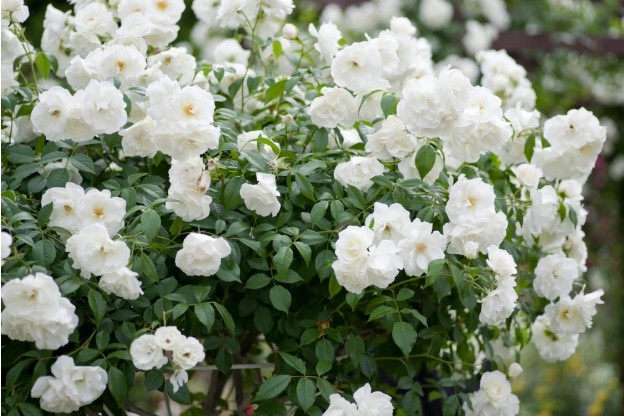
Flowering plants and ornamental bushes are a vital element in any landscape, offering color, structure, and seasonal interest. However, to keep them blooming consistently and looking their best, proper pruning is essential. Pruning not only improves the appearance of shrubs but also promotes healthy growth, better air circulation, and more abundant flowers. Understanding the right techniques and timing can make a significant difference in the performance of your plants, especially when caring for flowering shrubs.
Understanding the Growth Cycle
Before pruning Flowering Shrubs, it is important to understand their growth cycle. Some shrubs bloom on old wood, meaning they develop flower buds on the previous year’s growth, while others bloom on new wood, producing flowers on the current season’s growth. Identifying this difference helps determine the correct time to prune and prevents accidentally removing potential blooms.
Best Time to Prune Flowering Shrubs
Timing plays a crucial role in successful pruning. For shrubs that bloom on old wood, such as lilacs and azaleas, pruning should be done immediately after flowering. This allows enough time for new buds to form for the next season. On the other hand, shrubs that bloom on new wood, like hydrangeas and butterfly bushes, can be pruned in late winter or early spring. Proper timing ensures that flowering shrubs maintain their blooming potential throughout the year.
Essential Pruning Techniques
Effective pruning involves more than just cutting back branches. Start by removing dead, damaged, or diseased wood to improve plant health. Thinning out crowded areas enhances air circulation and reduces the risk of pests and diseases. Heading cuts, which shorten branches, encourage bushier growth, while thinning cuts help maintain the plant’s natural shape. Using the right technique ensures that Flowering Shrubs remain balanced and visually appealing.
Tools and Equipment for Pruning
Using the correct tools is essential for clean and precise cuts. Hand pruners are ideal for small branches, while loppers work well for thicker stems. For larger shrubs, a pruning saw may be necessary. Always ensure that tools are sharp and sanitized to prevent the spread of disease. Proper equipment not only makes the job easier but also minimizes stress on flowering shrubs.
Avoiding Common Pruning Mistakes
Improper pruning can harm Flowering Shrubs and reduce their ability to bloom. One common mistake is over-pruning, which can weaken the plant and limit flower production. Cutting at the wrong time of year may also remove developing buds. Additionally, making improper cuts too close or too far from the bud can affect growth patterns. Being mindful of these mistakes helps maintain the health and productivity of your shrubs.
Encouraging Better Blooms Through Pruning
Pruning is a powerful tool for enhancing flowering. Removing spent blooms, a process known as deadheading, encourages many shrubs to produce additional flowers. Selective pruning also directs the plant’s energy toward healthy branches, resulting in larger and more vibrant blooms. With consistent care, flowering shrubs can provide a continuous display of color throughout the growing season.
Seasonal Pruning Considerations
Different seasons require different pruning approaches. In spring, focus on shaping and removing winter damage. Summer pruning helps control growth and maintain appearance, while fall pruning should be minimal to avoid stimulating new growth before winter. During the dormant season, structural pruning can be done for shrubs that bloom on new wood. Adjusting pruning practices based on the season ensures optimal results for Flowering Shrubs.
Maintaining Long-Term Plant Health
Regular pruning contributes to the long-term health of Flowering Shrubs. It prevents overcrowding, reduces the risk of disease, and promotes strong structural growth. Combining pruning with proper watering, fertilization, and mulching creates an ideal environment for shrubs to thrive. Consistent maintenance ensures that plants remain healthy and productive year after year.
Conclusion
Pruning is an essential practice for keeping Flowering Shrubs healthy, attractive, and full of blooms. For those looking to expand their garden, exploring quality plants for sale can provide the perfect addition to complement well-maintained shrubs. By understanding growth cycles, using proper techniques, and avoiding common mistakes, gardeners can significantly enhance the performance of their shrubs. Regular and thoughtful pruning not only improves plant health but also maximizes flowering potential.
