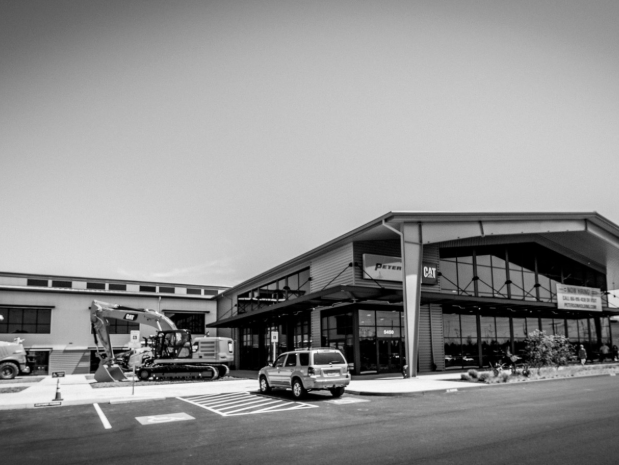
Metal buildings are widely used for warehouses, agricultural facilities, workshops, commercial spaces, and industrial operations because their structural systems can provide durability and long service life. However, exposure to rain, wind, moisture, temperature changes, and accumulated debris can gradually affect roof panels, fasteners, seams, flashing, and drainage components. Understanding when repairs are necessary can help building owners address minor problems before they develop into larger structural or water-intrusion concerns.
For property owners researching metal building roof repair in Oregon, the most important considerations include identifying the source of roof problems, checking weather-exposed components, evaluating corrosion, and determining whether isolated repairs or broader restoration work is appropriate.
Why Metal Building Roofs Need Regular Attention
Metal roofing is durable, but durability does not mean that a roof is maintenance-free. Over time, repeated exposure to moisture and changing weather conditions can affect protective coatings, sealants, fasteners, and panel connections.
Oregon properties can experience substantially different environmental conditions depending on location. The Oregon Building Codes Division’s Design Criteria Hub identifies factors such as ground snow load, basic design wind speed, seismic conditions, and weather-related criteria for building design.
These conditions make periodic metal building roof repair in Oregon particularly useful. A building located in a wet environment may face different maintenance concerns than one exposed to heavier snow or stronger wind conditions.
Signs That a Metal Building Roof May Need Repair
Some roof problems are easy to notice, while others develop gradually. Building owners should watch for visible rust, discolored areas, staining on interior surfaces, damaged panels, deteriorated sealants, missing or loose fasteners, and water appearing after rainfall.
Interior evidence can be particularly useful. Water stains, damp insulation, dripping around roof penetrations, or localized corrosion beneath the roof can indicate that moisture is entering somewhere above.
Common Metal Roof Repairs
The appropriate repair depends on the specific defect. Minor issues may involve replacing deteriorated fasteners, renewing compatible sealants, repairing localized corrosion, correcting flashing problems, or replacing damaged panels.
Sealant selection should not be treated as a one-size-fits-all decision. The Metal Construction Association recommends considering the metal panel system and manufacturer guidance when selecting sealants because compatibility and application affect long-term performance.
Metal building roof repair in Oregon also requires attention to the surrounding material. Contact between dissimilar metals can create galvanic corrosion under certain conditions, making material compatibility an important consideration when replacing components.
More extensive damage may require replacement of multiple panels or repair of supporting components. In those situations, the repair should account for the existing roof assembly rather than simply covering the visible symptom.
Preventing Recurring Roof Problems
Repairing an active leak is only part of protecting a metal building. Owners should also consider why the problem occurred and whether another component could create the same issue later.
Keeping drainage pathways clear can reduce standing water and moisture-related deterioration. Regular inspections can identify damaged coatings, loose fasteners, aging sealants, and developing corrosion before they become more extensive.
Condensation should also be distinguished from roof leakage. Moisture can sometimes accumulate because of temperature and humidity conditions rather than direct rainwater intrusion. Building Science research explains that condensation can contribute to moisture accumulation and corrosion when roof assemblies are not properly controlled for the local climate.
Conclusion
A durable metal roof still requires attention to moisture, fasteners, sealants, drainage, corrosion, and weather exposure. Recognizing early warning signs and investigating the underlying cause can help prevent a localized defect from becoming a larger building problem. Consistent metal building maintenance should include inspections, cleaning, drainage checks, and timely repairs based on the condition of the roof system. For Oregon properties, considering local environmental conditions and applicable building requirements can also help ensure repairs are properly planned and carried out.
