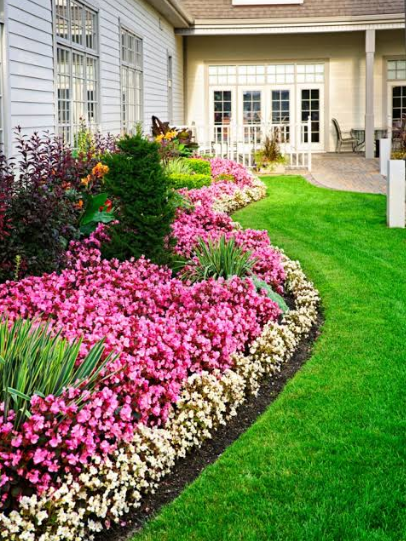
Well-defined garden beds can make an outdoor space look organised, balanced and inviting. The right border separates planting areas from lawns, paths and patios while giving flowers and foliage a clear visual boundary. It also makes routine gardening tasks easier by helping contain soil and mulch and limiting grass encroachment. When planning flowerbed borders, it is important to consider the garden’s layout, the plants you intend to grow and the amount of maintenance you can manage. Choosing a suitable edging material and shape from the beginning can help create a practical, attractive garden that remains easy to maintain throughout the seasons.
Why Are Garden Borders Important?
Garden borders do more than create a decorative outline. They establish clear divisions between different areas, making even a small garden feel more structured. A defined edge can also simplify mowing, trimming and weeding by creating a visible boundary between the lawn and planted areas.
Edging can help keep loose soil, bark and other mulch within the bed, particularly during watering or heavy rainfall. However, its effectiveness depends on the material, installation depth and ground conditions. A well-planned border can also complement existing paving, pathways and other landscape features without overwhelming the plants themselves.
How to Choose the Right Border Shape
The shape of a planting bed influences the overall appearance of a garden. Straight edges work well in formal layouts, contemporary spaces and gardens with geometric paving. They create a crisp, organised appearance and can make narrow planting areas look deliberate rather than incidental.
Curved borders offer a softer, more natural effect. They can break up a rectangular lawn, guide the eye through the garden and create space for layered planting. Before digging, mark the proposed outline with a hosepipe or rope. View it from different angles and adjust the curves until they look proportionate to the surrounding space.
Which Materials Work Best for Flowerbed Borders?
Timber Edging
Timber creates a warm, natural appearance that suits cottage gardens and informal planting schemes. It works particularly well for straight boundaries and raised beds. However, untreated or poorly maintained wood can rot, warp or deteriorate when exposed to persistent moisture. Choose suitable outdoor timber and check its condition periodically.
Brick and Stone Edging
Brick and natural stone provide a traditional finish and can create a substantial, permanent-looking boundary. They suit formal gardens, established landscapes and paths surrounded by planting. These materials can be durable, but installation may require ground preparation and a stable base.
Metal Edging
Metal edging is useful for gardens that benefit from narrow, precise lines. Steel and aluminium options can separate lawns from planting without creating a visually bulky boundary. Their appearance suits contemporary landscaping, although costs, corrosion resistance and installation requirements vary by product.
Flexible Rubber Edging
Flexible edging can follow curved beds, irregular outlines and rounded garden features more easily than many rigid materials. Some options use recycled rubber, offering an alternative to conventional plastic or timber.
For flowerbed borders, flexibility is particularly useful when the design includes flowing curves or needs to work around existing trees and planting. The material should also provide enough stability to remain in position as the ground changes with the seasons.
How to Install Garden Edging Properly
Careful preparation helps edging look neat and remain secure. Start by measuring the intended boundary and calculating how much material you need. Mark the outline, then remove grass, weeds, stones and other debris from the installation area.
Follow the manufacturer’s instructions when preparing a trench or positioning the edging. Some products sit partly below ground, while others are designed to be fixed at ground level.
Match Edging with Plants and Garden Maintenance
Edging works best when it complements the planting rather than competing with it. Low-growing flowers and ground cover can soften a strong boundary, while taller plants provide structure behind a clearly defined front edge.
Consider sunlight, drainage and soil conditions before selecting plants. A sunny border may suit many flowering perennials, while shaded areas often need plants adapted to lower light levels.
Conclusion
Choosing suitable edging involves balancing appearance, durability, installation and ongoing maintenance. Grey garden edging can complement green lawns, colourful flowers and contemporary outdoor spaces, creating a defined boundary that works with a variety of garden styles.
