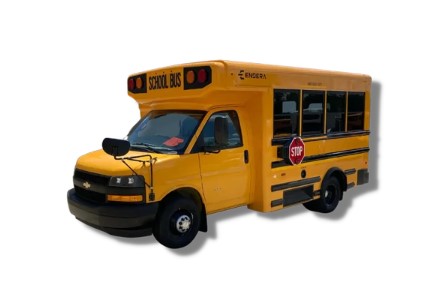
Sustainable transportation has become a priority for school districts seeking cleaner, safer, and more cost-effective ways to move students. As environmental concerns grow and fuel costs fluctuate, administrators are exploring innovative mobility solutions that reduce emissions without compromising performance or safety. In this shift toward cleaner transit, electric school buses have emerged as a reliable option that aligns operational efficiency with long-term sustainability goals. These vehicles are reshaping how schools think about transportation by combining advanced technology, environmental responsibility, and practical design tailored for student needs.
Reducing Environmental Impact in School Transportation
One of the most significant advantages of modern electric-powered school vehicles is their ability to reduce harmful emissions. Traditional diesel buses release pollutants that contribute to air quality issues around school campuses and residential neighborhoods. By transitioning to electric-powered alternatives, schools can dramatically cut greenhouse gas output and help improve local air quality.
Cleaner transportation directly benefits student health, especially for children with asthma or respiratory sensitivities. Reduced noise pollution is another environmental benefit, creating calmer school zones and minimizing disruption during early morning and afternoon routes.
Supporting Long-Term Cost Efficiency
Although initial vehicle acquisition costs may be higher, electric school transportation offers substantial long-term savings. Lower fuel expenses, fewer moving engine components, and reduced maintenance requirements contribute to a lower total cost of ownership over time. Electric drivetrains eliminate oil changes and reduce brake wear through regenerative braking systems.
School districts can also take advantage of federal and state incentive programs aimed at accelerating the adoption of clean transportation. These financial incentives help offset upfront costs and make sustainable fleets more accessible for public education systems.
Enhancing Safety and Reliability for Students
Safety remains a top priority in school transportation, and electric-powered buses are designed with modern safety standards in mind. Advanced driver assistance systems, improved vehicle stability, and enhanced visibility features help create safer driving conditions. Quieter engines also allow drivers to better hear surrounding traffic and student activity during loading and unloading.
The consistent torque delivery of electric drivetrains ensures smooth acceleration and braking, reducing sudden movements that could affect passenger comfort and safety.
Operational Flexibility for Daily School Routes
Electric school transportation is well-suited for predictable daily routes, making charging schedules easy to manage. Overnight charging allows buses to be fully operational each morning without interrupting school schedules. Route planning software and telematics systems further improve efficiency by optimizing energy use and monitoring performance.
In addition to traditional routes, schools can incorporate smaller electric vehicles for extracurricular transport or campus mobility. A shuttle bus electric option is particularly useful for short-distance travel, sporting events, and field trips, offering flexibility while maintaining sustainability goals.
Infrastructure and Charging Considerations
Modern electric bus manufacturers provide comprehensive support for charging infrastructure planning. Level 2 and DC fast charging solutions allow districts to scale their fleets gradually while maintaining reliable operations. Smart charging systems also help manage energy demand and reduce utility costs during peak hours.
Improving Community and Educational Impact
Adopting electric school transportation sends a strong message about environmental responsibility to students, parents, and the broader community. Schools become living examples of sustainability in action, reinforcing environmental education initiatives and inspiring future generations to prioritize clean energy solutions.
Community perception also improves as quieter, cleaner buses operate through neighborhoods, enhancing public support for school transportation programs.
Supporting Scalable and Future-Ready Fleets
Electric transportation systems are designed to evolve with technological advancements. Software updates, battery improvements, and data-driven fleet management tools allow schools to continuously enhance performance without replacing entire vehicles. This adaptability ensures long-term value and resilience against changing regulations and energy standards.
As adoption of electric school buses increases nationwide, they are becoming a cornerstone of sustainable transportation planning for educational institutions seeking dependable, future-ready solutions.
Conclusion
Sustainable school transportation requires solutions that balance environmental responsibility, operational efficiency, and student safety. By reducing emissions, lowering maintenance costs, and supporting modern fleet management practices, electric-powered vehicles help schools meet today’s challenges while preparing for tomorrow. The integration of an electric vehicle bus into school fleets represents a practical and forward-thinking investment in cleaner transportation, healthier communities, and a more sustainable future for student mobility.
