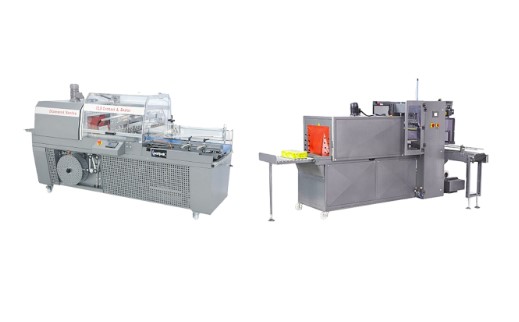
Shrink packaging is widely used to protect products, create secure bundles, and produce a consistent finished package. A key part of many automated shrink-wrapping systems is the heat tunnel, where controlled heat causes shrink film to contract around the packaged product. Understanding how the equipment works can help packaging operations select suitable machinery, film, conveyor settings, and operating conditions.
A heat shrink tunnel machine works by exposing film-wrapped products to controlled heat as they move through an enclosed chamber. The combination of temperature, airflow, conveyor speed, and film characteristics determines how evenly the material shrinks around the package. Modern systems are designed to provide greater control over these variables while supporting continuous packaging operations.
How Does the Shrink Process Work?
A heat shrink tunnel is an enclosed packaging system through which products pass after being wrapped in shrink film. Inside the tunnel, heated air is circulated the package, causing the film to contract and conform more closely to the product’s shape.
The performance of a heat shrink tunnel machine depends on several interacting factors. Temperature is important because the film needs to reach the appropriate shrinking range without excessive exposure to heat.
Air circulation also affects the result. Properly distributed airflow helps expose different areas of the package to relatively consistent heating. Conveyor speed determines how long the product remains inside the heated chamber. If the conveyor moves too quickly, the film may not shrink sufficiently. Excessive dwell time, meanwhile, can expose the package to unnecessary heat.
Choosing the Right Tunnel Size
Different tunnel models can have substantially different conveyor widths, tunnel openings, installed power, and electrical requirements. For example, specifications published for the Diamond Series T-60 list a 24-inch conveyor belt width, while the T-100 uses a 39-inch conveyor belt.
Product dimensions should be considered carefully when selecting a heat shrink tunnel machine. The product must pass through the tunnel opening with sufficient clearance, while the conveyor needs to accommodate the package dimensions and required throughput.
The correct selection therefore depends on more than the physical size of a single package. Operations should also consider the range of products being processed, expected production volume, film type, line speed, and available electrical infrastructure.
Single-Chamber vs. Other Tunnel Designs
Single-chamber tunnels provide one enclosed heating area through which products travel. They can be suitable for packaging applications where a straightforward continuous shrink process is appropriate.
The Diamond Series regular models are described as single-chamber, bottom-circulated shrink tunnels. Their design incorporates a bottom-mounted heat chamber and fan system, with controls for conveying speed and airflow.
Integrating the Tunnel Into a Packaging Line
Compatibility between the tunnel, sealer, conveyor, product dimensions, and film is important for maintaining a steady workflow. The manufacturer’s documentation states that Diamond tunnels can be integrated with packaging machines and includes conveyor-speed control for adjusting the treatment time.
A heat shrink tunnel machine generally works as part of a larger packaging system rather than as a standalone process. Depending on the application, it can be positioned after a sealing machine and integrated with conveyors or automated product handling equipment.
Proper integration can also reduce manual handling between packaging stages and make the overall process easier to standardize.
Conclusion
Selecting the right tunnel requires attention to product dimensions, film characteristics, required production speed, heat requirements, conveyor capacity, electrical specifications, and available floor space. Operators should also consider how frequently products or films will change because flexibility can affect the usefulness of the equipment over time. For businesses evaluating automated shrink packaging equipment, specifications and support options from Maripak USA can provide additional information about available single-chamber models and their technical configurations. The key is to compare equipment capabilities with the actual requirements of the packaging line before selecting a system.
