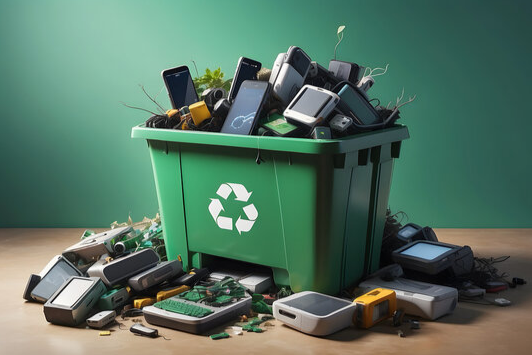
Businesses generate electronic scrap whenever computers, servers, printers, networking devices, monitors, and other equipment become outdated or damaged. Without a planned process, these items can occupy valuable space, create security concerns, and increase environmental risks. Working with an experienced IT scrap buyer can help organisations evaluate unwanted equipment, recover value, and manage recycling more responsibly.
Effective electronic scrap management is not limited to removing old devices. It involves identifying surplus assets, protecting stored information, separating reusable components, arranging collection, and ensuring appropriate recycling. A practical approach helps businesses control costs, improve organisation, and support sustainability while preparing for upgrades.
Understanding Electronic Scrap In Business Operations
Electronic scrap can accumulate gradually through routine replacements, office expansions, system upgrades, and equipment failures. Computers may be replaced for performance reasons, while servers and networking hardware become surplus after infrastructure changes. Printers, monitors, cables, storage devices, and accessories can also contribute to the overall volume of electronic waste.
Businesses should treat these materials as assets requiring proper management. Some devices may retain resale value, while components can have reuse or recycling potential. Early identification helps organisations decide whether to reuse equipment internally, sell it, refurbish it, donate it, or recycle it through an appropriate channel.
Preparing Equipment Before Disposal
Preparation is an important stage in electronic scrap management because it reduces security, logistical, and operational risks. Businesses should create an inventory of equipment scheduled for disposal and record useful details such as device type, quantity, condition, and location. This information simplifies collection and provides a record of retired assets.
Data protection should receive particular attention before equipment leaves company premises. Computers, laptops, servers, and storage devices may contain confidential documents, customer records, credentials, or business information. Secure data wiping or physical destruction of storage media, where appropriate, can reduce the possibility of unauthorised recovery and strengthen the overall disposal process.
Key Practices For Effective Electronic Scrap Management
A consistent management process helps businesses handle electronic scrap with greater control. Instead of waiting until storage areas become crowded, organisations can establish procedures to identify equipment, assess its condition, secure information, and arrange responsible disposal. The following practices can make the process more efficient and valuable.
1. Create a Detailed Equipment Inventory
An accurate inventory gives businesses visibility into the technology scheduled for retirement. Recording quantities, specifications, condition, and ownership helps teams distinguish valuable equipment from items requiring recycling. It also simplifies collection planning, especially when multiple departments contribute devices to a disposal project.
2. Prioritise Secure Data Destruction
Protecting business information remains essential throughout the equipment retirement process. Devices containing storage media should undergo appropriate data wiping or destruction before transfer. Documented procedures can confirm sensitive information has been removed and reduce risks associated with discarded technology.
3. Separate Reusable Components
Not every retired device needs to become waste. Functional computers, memory modules, processors, storage devices, power supplies, and networking components may retain useful value. Separating reusable items from damaged equipment lets businesses explore recovery opportunities before sending materials for recycling.
4. Evaluate Equipment for Financial Recovery
A professional assessment can reveal value that may otherwise be overlooked. Businesses working with the best IT scrap buyer in Dubai can receive evaluations based on equipment condition, specifications, quantities, and component value. This can help organisations recover returns from surplus assets instead of letting usable technology sit idle.
5. Plan Collection and Transportation
Large volumes of electronic scrap require organised movement from offices, warehouses, or other locations. Businesses should coordinate pickup schedules, access requirements, equipment packaging, and transportation arrangements in advance. Planning reduces disruption and helps retired devices reach the appropriate processing facility safely.
Environmental Benefits of Responsible Scrap Management
Responsible electronic scrap management supports sustainability by keeping recoverable materials within productive use. Electronics contain metals, plastics, glass, and other materials that can be separated for reuse. Recovering these resources reduces the need for additional raw material extraction and helps limit the amount of electronic waste sent to landfills.
Businesses can strengthen environmental programs by incorporating recycling into technology lifecycle planning. Regular asset reviews, responsible disposal procedures, and documented recycling activities demonstrate a practical commitment to resource conservation. These measures can complement broader sustainability initiatives without disrupting normal operations.
Choosing a Suitable Recycling Partner
The disposal partner a business selects can influence the efficiency and outcome of an electronic scrap project. Organisations should consider experience, collection capabilities, evaluation methods, data security, recycling practices, and transparency when comparing providers. Clear communication about equipment quantities and types helps establish realistic expectations before collection begins.
A suitable partner should handle different categories of technology and provide a structured process from initial evaluation through final recycling. Organisations may benefit from maintaining documentation related to equipment transfers, asset quantities, and recycling activities. Such records improve accountability and support future technology decisions.
Practical Advantages of Professional Scrap Management
Professional electronic scrap services can simplify disposal while helping organisations achieve better operational outcomes overall. Rather than assigning staff to manage every stage, businesses can use specialised support for evaluation, collection, transportation, and recycling. This reduces administrative effort and helps ensure retired equipment is processed through appropriate channels.
1. Better Space Utilisation: Removing obsolete equipment frees storage areas for productive use.
2. Improved Asset Visibility: Organised inventories provide clearer information about retired and surplus technology.
3. Value Recovery Opportunities: Reusable equipment and components can generate returns instead of becoming immediate waste.
4. Reduced Environmental Impact: Proper recycling supports material recovery and responsible electronic waste management.
5. Simpler Disposal Planning: Professional collection services make large or recurring disposal projects easier to coordinate.
Conclusion
Effective electronic scrap management helps businesses protect information, recover value, reduce storage demands, and support responsible resource use. A structured process covering inventory, secure data handling, evaluation, collection, and recycling allows organisations to manage retired technology more efficiently while reducing unnecessary waste.
Those looking for a dependable technology recycling partner can consider IT Scrap Buyer for professional support. The company helps businesses manage computers, servers, networking equipment, and other electronic assets through collection, fair evaluation, and responsible recycling. Its practical approach helps organisations turn surplus technology into useful returns while supporting efficient and sustainable disposal practices. Businesses seeking the best IT scrap buyer in Dubai can explore solutions tailored to their disposal requirements.
