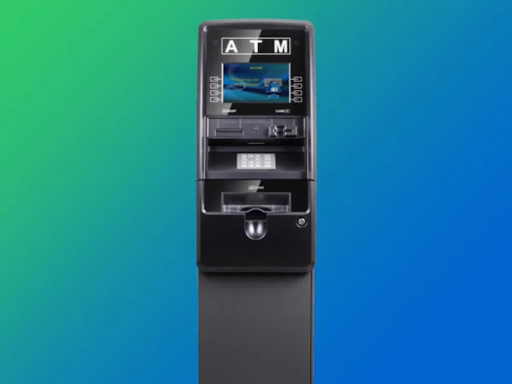
Businesses that regularly serve customers may consider adding an ATM to provide convenient access to cash. However, deciding to buy ATM machine equipment involves more than selecting a cabinet design or comparing purchase prices. Hardware compatibility, security, accessibility, connectivity, cash capacity, maintenance, and transaction processing all influence whether an ATM will be practical for a particular location.
For retailers, hospitality businesses, entertainment venues, and other commercial locations, an ATM can become part of the customer-service infrastructure. The machine needs to remain reliable, secure, and accessible while fitting naturally into the available space. Understanding the major considerations before purchasing can help business owners make a more informed decision.
What Is a Retail ATM?
An ATM is a computerized machine that allows customers to perform financial transactions, most commonly withdrawing cash. The exact services available depend on the machine, processor, network, and operating arrangement.
In the United States, independently operated ATMs are often installed in businesses such as convenience stores, restaurants, entertainment venues, and other high-traffic locations. The location matters because customers are more likely to use an ATM when cash access is convenient and relevant to their visit.
For a retailer, the machine should therefore be viewed as part of the overall customer experience rather than simply another piece of equipment.
1. Determine the ATM’s Intended Location
Location should be considered before selecting a machine.
A suitable installation area should provide enough room for customers to approach, use, and leave the ATM comfortably. The surrounding environment should also allow employees or authorized service personnel to access the machine when necessary.
Consider:
- Available floor space
- Customer traffic
- Visibility
- Lighting
- Accessibility
- Electrical access
- Network connectivity
- Physical security
- Cash replenishment access
A highly visible position can make the ATM easier for customers to find, but the machine should not obstruct aisles, entrances, emergency routes, or other important areas.
2. Check Security Features
Security is one of the most important factors when selecting an ATM.
Payment card transactions involve sensitive information, so ATM hardware and software need appropriate security controls. The PCI Security Standards Council’s ATM security guidance addresses areas including hardware protection, software security, device management, and safeguards against skimming and PIN theft.
When evaluating a machine, examine features such as:
- Secure PIN entry
- Anti-skimming protection
- Protected card-reader components
- Tamper detection
- Secure cabinet construction
- Encrypted transaction communication
- Controlled service access
A machine should also be compatible with the security requirements of the processor and payment networks that will handle transactions.
3. Verify Payment and Processing Compatibility
An ATM cannot operate simply because it has the appropriate physical hardware. It needs a compatible transaction-processing arrangement.
Before purchasing, determine which processor or ATM service provider will support the machine. Confirm that the model is compatible with the required software, communications method, card technology, and transaction network.
PCI guidance explains that payment devices are part of the cardholder-data environment when they capture, process, or transmit account data, with applicable PCI DSS requirements depending on the device and configuration.
This means compatibility should be confirmed before committing to a particular machine rather than after installation.
4. Consider EMV and Card Technology
Card technology continues to evolve, making compatibility an important part of ATM selection.
Older equipment may have limitations related to newer card-processing requirements. When purchasing an ATM, ask whether it supports the current card technologies required by the intended processor and network.
If considering used equipment, inspect its manufacturing date, security configuration, card-reader capabilities, and upgrade options. Some older machines may require substantial hardware upgrades before they can be deployed appropriately.
The seller’s specifications should be verified against the processor’s requirements before purchase.
5. Evaluate Cash Capacity
Cash capacity determines how frequently the ATM needs to be replenished.
A low-volume location may not require a particularly large cash cassette, while a busy retail location may need greater capacity to reduce the risk of running out of cash.
Cash management is an operational consideration rather than simply a hardware specification. Demand can vary by day, season, location, and customer behavior.
Research on ATM cash management emphasizes the importance of forecasting withdrawal demand and maintaining appropriate cash levels to avoid service interruptions while limiting excess cash held in machines.
Business owners should therefore consider expected transaction volume when evaluating cash capacity.
6. Look at Accessibility
An ATM should be usable by as many customers as reasonably possible.
Accessibility requirements vary by jurisdiction, so operators should verify the applicable legal standards for the location. In the United States, accessibility requirements can affect machine height, controls, audio guidance, reach ranges, and surrounding access space.
The exact requirements should be confirmed using current regulations and professional compliance guidance rather than relying solely on a seller’s statement that a machine is “accessible.”
Accessibility should also be considered during physical placement. A technically compliant machine can still become difficult to use if surrounding furniture, displays, or merchandise blocks customer access.
7. Compare Connectivity Options
An ATM needs a reliable connection to its processing network.
Depending on the machine and service arrangement, connectivity may use wired internet, cellular communication, or other supported methods. The appropriate choice depends on the location’s infrastructure and the processor’s requirements.
A reliable connection is particularly important for a retail location because transaction interruptions can prevent customers from accessing cash.
If cellular connectivity is being considered, verify network availability at the exact installation site. If wired internet is used, determine how the connection will be secured and whether network segmentation or other security controls are required.
8. Consider Maintenance and Service
Purchase price is only one part of the total cost of operating an ATM.
Potential ongoing expenses can include:
- Cash replenishment
- Connectivity
- Processing
- Maintenance
- Repairs
- Software support
- Security upgrades
- Replacement components
Before purchasing, ask who will handle technical support and how quickly service can be provided if the machine stops working.
A machine that costs less initially but requires frequent repairs may ultimately be more expensive than a better-supported alternative.
New or Used ATM?
Used equipment can potentially reduce the initial purchase cost, but age matters. Older ATMs may have outdated security components or limited upgrade paths.
A supplier’s guidance on used ATM equipment recommends checking factors such as Triple DES compliance, manufacturing date, and accessibility characteristics before purchasing used equipment.
Buyers should also verify whether replacement parts and technical support remain available.
A used machine can be practical when its hardware, security, processing compatibility, and serviceability have been thoroughly verified.
Where Are Retail ATMs Commonly Used?
Retail ATMs can be appropriate in locations where customers may need convenient access to cash.
Examples include:
- Convenience stores
- Restaurants
- Hotels
- Entertainment venues
- Shopping locations
- Bars
- Small retail businesses
- Community-oriented commercial spaces
The ideal location depends on customer behavior rather than simply foot traffic. A busy business may not generate many ATM transactions if nearly all customers use digital payments.
Business owners should therefore assess whether customers actually have a recurring need for cash.
What Should You Ask an ATM Supplier?
Before completing a purchase, request clear answers to several practical questions.
Ask about:
- Processor compatibility
- Supported card technologies
- Security certifications and features
- Accessibility specifications
- Cash cassette capacity
- Connectivity options
- Warranty coverage
- Technical support
- Replacement parts
- Software and firmware updates
- Installation requirements
- Total ownership costs
Written documentation is preferable to relying on verbal claims because ATM deployment involves technical, financial, and security considerations.
Is Buying an ATM Worth It?
The value of an ATM depends heavily on its location, transaction volume, operating costs, and customer demand.
For some businesses, convenient cash access can complement existing payment options and improve customer convenience. For others, low transaction volume may make the investment difficult to justify.
The decision should therefore begin with an assessment of expected usage rather than the machine’s purchase price alone.
Business owners should estimate likely transaction volume, cash replenishment requirements, processing costs, maintenance expenses, and the available installation space before making a final decision.
Conclusion
To buy ATM machine equipment successfully, businesses should evaluate the entire operating environment rather than focusing only on the upfront price. Security, processing compatibility, card technology, cash capacity, accessibility, connectivity, maintenance, and service support all influence long-term performance. For businesses considering retail ATMs, location and customer demand are equally important. A properly selected machine can provide convenient cash access, but its value depends on whether customers actually need the service and whether the business can maintain the equipment securely and reliably. Careful planning before purchase can reduce compatibility problems and unexpected operating costs. By verifying technical specifications with the processor, checking applicable accessibility and security requirements, and comparing total ownership expenses, businesses can make a more informed ATM investment.
