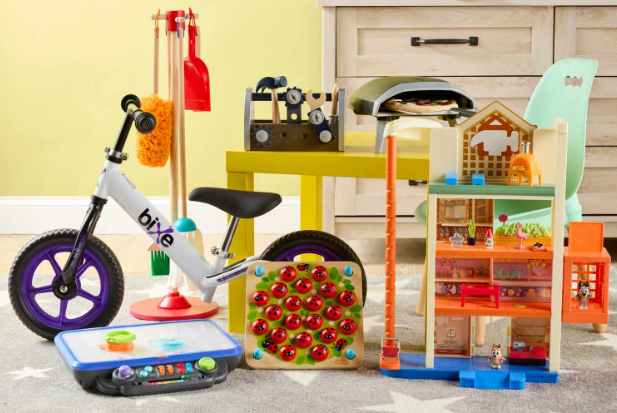
Buying toys for kids can sometimes feel like a choice between price and quality. A higher price may suggest better materials, advanced features, or longer-lasting construction, but cost alone does not determine whether a toy is valuable. A simple puzzle, building set, art kit, or pretend-play toy can provide more meaningful play than an expensive electronic product. The right toy depends on age, interests, safety, durability, and opportunities for learning. Understanding the difference between price and real value can make toy shopping easier and help families select products that support creativity, development, and enjoyable play without unnecessary spending.
Does a Higher Price Mean Better Quality?
Price can reflect several factors, including materials, manufacturing costs, brand reputation, technology, design, and packaging. An expensive toy may contain strong materials or offer advanced functions, but a higher price does not automatically guarantee better quality. Some affordable toys are durable, safe, and designed for repeated use.
For toys for kids, practical value matters more than the price tag. A toy that remains interesting for several months can provide greater value than a costly product that loses attention after a few days. Durability, versatility, and age suitability are useful factors when comparing different options.
What Makes a Toy Valuable?
The value of a toy comes from the experience created during play. Several features can make a toy more useful:
1. Durability: Strong construction allows regular use without quick damage.
2. Safety: Non-toxic materials, secure parts, and suitable designs are important.
3. Educational value: Puzzles, building sets, counting games, and science kits can support learning.
4. Creativity: Art supplies, blocks, craft kits, and pretend-play toys encourage imagination.
5. Versatility: Toys with multiple ways to play can remain interesting for longer.
6. Age suitability: A suitable difficulty level keeps play enjoyable without creating unnecessary frustration.
A reasonably priced toy with several of these qualities may offer greater value than an expensive toy with limited use.
The Role of Educational Toys
Educational toys do not need to be expensive. Learning can happen through basic activities involving shapes, colors, numbers, letters, memory, construction, and problem-solving. Building blocks, matching games, drawing sets, and simple board games can encourage important skills.
For younger children, sensory and creative toys can support fine motor development and exploration. Older children may benefit from strategy games, model-building kits, STEM activities, and creative projects. The best option depends on developmental needs rather than price alone.
Expensive Electronic Toys vs. Simple Toys
Electronic toys often include lights, sounds, screens, sensors, remote controls, or interactive functions. Such features can create excitement, but additional technology does not always create better play. A toy with many buttons may offer entertainment without providing much creative freedom.
Simple toys can encourage active participation. A set of blocks can become a house, bridge, vehicle, or imaginary city. A basic art kit can support drawing, coloring, cutting, and crafting. Such open-ended play allows children to create different activities from the same product.
How Long Will the Toy Remain Useful?
Longevity is an important part of toy value. A toy that supports different activities as skills develop can remain useful for a longer period. For example, building blocks may begin as a basic stacking activity and later become part of more complex construction projects.
Before buying toys for kids, consider whether the product has more than one possible use. A toy with adjustable difficulty, multiple game options, interchangeable parts, or creative possibilities may provide better long-term value than a product designed for only one activity.
The Importance of Age and Development
A toy should match the child’s age and developmental stage. A very advanced toy may become frustrating, while a product that is too simple may quickly become boring. Manufacturers generally provide recommended age ranges to help with selection.
For infants and toddlers, large and easy-to-handle pieces can support basic movement and sensory exploration. Preschool children may enjoy pretend play, puzzles, crafts, and construction activities. School-age children can explore strategy games, science kits, advanced building sets, and creative hobbies.
Age recommendations also help identify potential safety concerns, especially small parts that can create choking hazards for younger children.
When Paying More Can Make Sense
There are situations where spending more can provide practical benefits. Premium materials may offer better durability, while well-designed educational products can provide deeper learning experiences. Some specialized toys also require higher-quality components to function properly.
A higher price can be reasonable when the product offers clear advantages such as stronger construction, safer materials, replaceable parts, extended play possibilities, or meaningful educational features. The key is identifying a real benefit rather than assuming that an expensive product is automatically superior.
When an Affordable Toy Can Be the Better Option
Affordable toys can be an excellent choice when a child is exploring a new interest. A lower-cost art set, beginner puzzle, or basic construction kit can provide an opportunity to discover whether a particular activity is enjoyable before investing in a premium product.
Budget-friendly options can also make it possible to provide a wider variety of play experiences. Instead of spending a large amount on one toy, a similar budget may cover books, craft supplies, puzzles, outdoor equipment, and creative games. Variety can encourage different types of learning and play.
Practical Tips for Buying Toys for Kids
A few simple questions can make toy shopping more effective:
1. Is the toy suitable for the child’s age?
2. Does the toy encourage active participation?
3. Can the toy be used in different ways?
4. Are the materials safe and durable?
5. Does the toy support creativity, learning, movement, or problem-solving?
6. Is the price justified by useful features?
7. Will the toy remain interesting after the first few uses?
8. Can the toy be stored and maintained easily?
These questions shift attention away from price alone and toward genuine value.
Why Simple Play Still Matters
Modern toys can offer impressive features, but simple play remains important for childhood development. Pretend kitchens, dolls, cars, blocks, puzzles, coloring materials, and outdoor games can encourage imagination and social interaction without requiring advanced technology.
A child can often create a much larger range of activities with an open-ended toy than with a product designed around one fixed function. Simple toys also provide opportunities for independent thinking, storytelling, experimentation, and problem-solving.
The Real Value of Toys for Kids
Expensive does not always mean better when it comes to toys for kids. A useful toy combines safety, durability, age suitability, learning opportunities, creativity, and lasting play value. Price should be considered alongside these factors rather than used as the main measure of quality. Affordable products can provide excellent experiences, while some premium toys may justify a higher cost when meaningful benefits are clear. Careful comparison can help families select toys that offer enjoyable and useful play without unnecessary expense.
Bachaa Party: Value Beyond the Price Tag
Bachaa Party provides a wide range of products that can make toy shopping easier by bringing different types of children’s products together in one place. The selection can include educational toys, creative activities, games, building sets, outdoor products, and age-appropriate play options. A broad range allows families to compare features, designs, and prices according to individual needs and budgets. The real value comes from selecting a product that matches a child’s interests and developmental stage rather than simply choosing the most expensive option. Bachaa Party can therefore serve as a practical destination for exploring different toys for kids while considering quality, usefulness, and play value.
