Video has become an important communication format for businesses, organizations, event teams, and brands. From corporate interviews and promotional films to event coverage and social media content, professional video can communicate information through a combination of visuals, sound, editing, and storytelling.
Choosing a video production company involves more than comparing cameras or asking for a quote. The right production approach depends on the project’s objectives, filming requirements, number of locations, crew size, post-production needs, and intended audience. Understanding these factors can help businesses create a clearer brief and compare production proposals more effectively.
What Does a Video Production Company Do?
A professional production company can manage some or all stages of creating a video.
The process commonly begins with planning and creative development. Depending on the project, this can involve developing a concept, preparing a script, creating a storyboard, identifying locations, arranging talent, and establishing a production schedule.
The production stage covers filming, lighting, sound recording, directing, and camera operation. After filming, post-production can include editing, colour grading, sound design, motion graphics, captions, and exporting the finished content into the required formats.
Dreambox describes its Dubai services as covering video production for corporate films, branding, commercials, events, and social media content. Its current production page also outlines different levels of service, from shoot-only capture to full production and larger campaign work.
Start With the Purpose of the Video
Before contacting a production team, define what the video needs to accomplish.
A company profile might explain what a business does and introduce its people. A product video may focus on features and demonstrations. A training video may prioritize clarity and structured information, while an event film may emphasize atmosphere, speakers, attendees, and important moments.
The intended purpose influences nearly every production decision, including the filming style, duration, locations, interviews, graphics, and final aspect ratios.
A clear objective also makes it easier to determine whether a project requires a simple shoot or a more extensive production process.
Decide Who the Audience Is
The intended audience should be identified before filming begins.
A corporate video aimed at senior decision-makers may require a different tone and structure from a short social media video designed for general audiences. Likewise, internal training content may prioritize clear explanations over cinematic presentation.
Audience considerations can influence:
1. Video length
2. Language and captions
3. Visual style
4. Presentation format
5. Distribution channels
6. Calls to action
7. Level of technical detail
Defining the audience early can help the production team develop content that communicates effectively.
Understand the Pre-Production Stage
Pre-production is one of the most important stages of professional video creation.
This stage can include developing the creative concept, writing a script, creating a shot list, selecting locations, arranging schedules, and confirming equipment requirements.
For corporate productions, pre-production may also involve identifying interview subjects and preparing questions. For event coverage, the team may need the event agenda, venue layout, speaker schedule, important activities, and access information.
A detailed plan reduces uncertainty on filming days and helps the crew prioritize essential shots.
Choosing the Right Crew
The size of the production team depends on the project’s complexity.
A straightforward interview may require a smaller crew, while a commercial production or major event can require multiple camera operators, sound specialists, lighting personnel, producers, and editors.
The number of people involved can also change according to the number of locations and simultaneous activities.
For example, a conference with multiple rooms may need more than one camera operator if important sessions are taking place at the same time. Dreambox’s event videography information states that one to two videographers are sufficient for many Dubai events, while additional videographers can be arranged when multiple angles or simultaneous coverage are required.
Camera and Audio Requirements
Good video production depends on more than image quality.
Audio is especially important for interviews, presentations, speeches, testimonials, and corporate communications. A technically impressive image can still be difficult to use if the recorded speech is unclear.
Production teams may use different microphones depending on the environment, including lavalier microphones for speakers and other professional audio equipment for controlled recording.
Camera requirements also vary. A simple interview may need one or two cameras, while a large production or event may benefit from multiple camera positions.
Multi-camera coverage can provide different perspectives and make editing more flexible. Professional event-production providers in Dubai commonly describe multi-camera coverage as part of larger conference and corporate event projects.
Lighting Makes a Difference
Lighting affects how people, products, and locations appear on camera.
Natural light can be useful in some settings, but it is not always consistent. Indoor offices, conference rooms, studios, and event venues may require additional lighting to create a balanced image.
For interviews, controlled lighting can help separate the subject from the background while maintaining consistent exposure.
Production teams may use key lights, fill lights, backlights, practical lights, or other equipment depending on the location and visual requirements.
A site assessment can help identify potential lighting problems before filming begins.
Filming Corporate Interviews
Corporate interviews are a common video format.
They can feature executives, employees, customers, specialists, or other relevant speakers. The interview may be the central component of a company profile, testimonial, recruitment video, educational piece, or internal communication.
Preparation should cover:
1. Interview questions
2. Speaker availability
3. Location
4. Background
5. Lighting
6. Audio
7. Camera positions
8. Supporting footage
B-roll can also be recorded to show employees working, products being used, facilities, meetings, or other activities related to the interview.
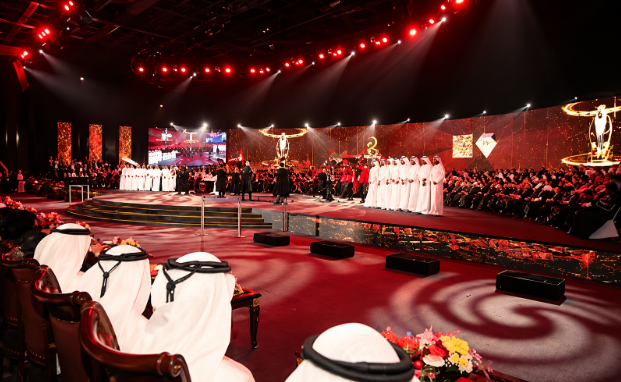
Event Video Production
Events require a different production approach because important moments happen only once.
Conferences, exhibitions, product launches, award ceremonies, corporate gatherings, and private events may involve several activities happening throughout the day.
A production plan should therefore identify priority moments in advance. These might include keynote presentations, panel discussions, demonstrations, interviews, networking, audience reactions, branding, and venue details.
Dreambox’s published Dubai event videography service covers exhibitions, conferences, corporate events, interviews, event documentation, product launches, training videos, and social media content.
Post-Production and Editing
Filming is only one part of the production process.
During post-production, editors review the recorded footage and select the strongest material. The final edit may then include transitions, graphics, music, captions, colour correction, sound mixing, and other finishing elements.
The editing approach depends on the intended use.
A short social media video may need a fast pace and vertical format, while a corporate presentation may require longer sequences and clearer explanations.
Dreambox’s current full-production offering describes editing, sound design, colour grading, motion titles, captions, and multiple social cutdowns as part of its production workflow.
Consider Different Delivery Formats
A video may need to be delivered in more than one format.
For example, a business could require a horizontal master for its website, a shorter version for LinkedIn, and vertical versions for mobile-focused platforms.
It is therefore useful to identify distribution channels before production begins.
The production team can then plan framing and editing with those requirements in mind. Captions may also be appropriate when videos are intended for environments where viewers may watch without sound.
Turnaround Time
The required delivery date should be discussed before filming.
Some projects can take several days or longer because they involve extensive editing, animation, colour grading, revisions, or multiple deliverables.
Event projects may have tighter deadlines when businesses want to publish highlights shortly after an event. Dreambox states that its Dubai event videography editing turnaround typically ranges from one to five business days depending on the event’s scale and complexity, with same-day edits available for certain requirements.
A clearly defined delivery schedule helps avoid unrealistic expectations.
What Should a Production Brief Include?
A useful production brief can include:
1. Project objective
2. Target audience
3. Video type
4. Desired duration
5. Locations
6. Filming dates
7. Required participants
8. Key messages
9. Visual references
10. Distribution channels
11. Required formats
12. Editing deadline
13. Number of revisions
14. Final deliverables
The more clearly these points are defined, the easier it is for a production team to prepare an accurate proposal.
Questions to Ask Before Hiring a Production Team
Before selecting a production provider, businesses can ask:
1. What types of projects does the team produce?
2. Who will manage the project?
3. What crew size is recommended?
4. What equipment is included?
5. Is audio recording included?
6. Does the quote cover editing?
7. How many revisions are included?
8. What formats will be delivered?
9. Is raw footage available?
10. What is the expected turnaround?
11. Are location or permit costs included?
12. How are additional production requirements priced?
Reviewing the answers alongside previous work can provide a clearer understanding of what the proposed service includes.
Conclusion
A video production company can manage the creative, technical, and post-production stages required to turn an idea or event into finished video content. Businesses should begin with a clear objective, identify their audience, plan the production carefully, consider crew and equipment requirements, and establish deliverables and deadlines before filming starts. For organizations planning event coverage in the UAE, event videographer in Dubai services can be evaluated based on factors such as event size, number of simultaneous activities, camera requirements, audio needs, editing turnaround, and intended use of the final footage. Dreambox’s published Dubai services describe coverage for conferences, exhibitions, corporate events, interviews, launches, and other event formats.
