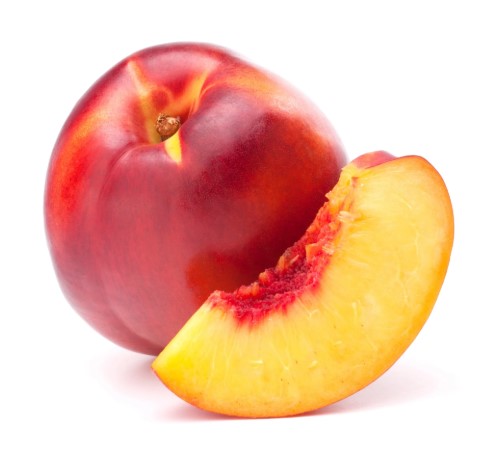
Nectarines are a favorite summer fruit, prized for their smooth skin and juicy, sweet flesh. Many home gardeners choose to grow their own nectarine tree instead of depending only on store-bought fruit. These trees can adapt well to home gardens when given the right conditions, though they do require consistent care and attention. Understanding their basic needs from the beginning helps gardeners avoid common mistakes and gives the tree a better chance at healthy growth, strong structure, and eventual fruit production over the years. With proper planting, pruning, watering, and seasonal care, a nectarine tree can become a productive and attractive addition to the garden.
Choosing the Right Location
Nectarine trees generally perform best in locations with full sun exposure, as consistent sunlight supports healthy growth and fruit development. A site with good air circulation can also help reduce the likelihood of fungal issues, which nectarine trees can be somewhat prone to due to their smooth skin. Well-draining soil is another important factor, since these trees do not respond well to waterlogged roots. Choosing a spot that avoids low-lying areas where water tends to collect can make a noticeable difference in long-term tree health.
Soil and Watering Needs
A nectarine tree grows best in soil that drains well while still retaining enough moisture to support root development. Overly compacted or heavy clay soil can restrict root growth and increase the risk of standing water. Watering should be consistent, particularly during the tree’s early years, though care should be taken not to overwater. Once established, nectarine trees typically require less frequent watering, though dry spells during fruit development may call for closer attention.
Sunlight and Climate Considerations
Sunlight and temperature play a significant role in how well a nectarine tree develops. These trees generally require a period of cooler temperatures during dormancy to support healthy flowering and fruiting the following season. However, they also need warm, sunny conditions during the growing season to properly ripen their fruit. Sudden temperature swings or late frosts can affect blossoms and reduce fruit yield, making climate suitability an important consideration before planting.
Pruning and Ongoing Maintenance
Routine pruning helps maintain the shape, health, and productivity of a nectarine tree. Removing dead, damaged, or crossing branches improves airflow through the canopy and reduces the risk of disease. Pruning also helps sunlight reach the interior branches, which can support more even fruit development. Maintenance needs may shift slightly depending on the age of the tree and how established its structure has become over time.
Common Issues to Monitor
Nectarine trees can be susceptible to certain pests and diseases, particularly those that affect the fruit’s smooth skin. Watching for early signs such as leaf curling, spotting, or unusual fruit texture can help catch problems before they spread. Consistent watering and proper spacing between trees can also reduce the risk of fungal issues, which tend to thrive in overly damp or crowded conditions.
The Importance of Patience
Like most fruit-bearing trees, a nectarine tree does not produce fruit immediately after planting. It typically takes a few years of steady growth before the tree matures enough to bear a reliable harvest. During this time, consistent care, including proper watering, pruning, and monitoring, plays a larger role in long-term success than any single factor alone.
Conclusion
Successfully growing a nectarine tree depends on attention to sunlight, soil quality, watering habits, and seasonal temperature patterns. Each stage of growth, from root establishment to fruit ripening, relies on a careful balance of these elements. As with any fruit tree, steady care and realistic expectations go a long way toward long-term success. With patience and consistent maintenance, gardeners can look forward to enjoying homegrown nectarines season after season.
