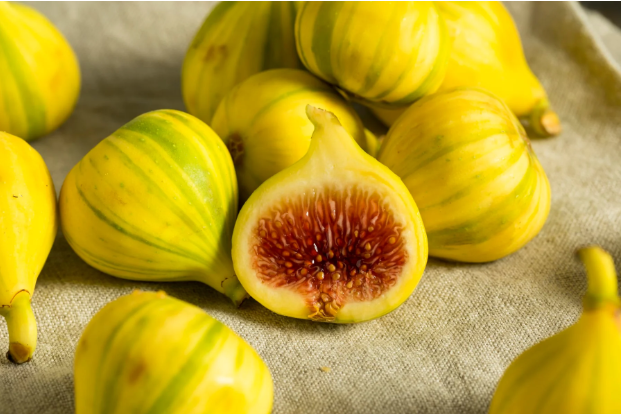
Successful fruit cultivation depends on understanding the relationship between plant characteristics, environmental conditions, and consistent maintenance practices. The fig tree is one of the oldest cultivated plants, valued for its sweet edible fruits, ornamental appearance, and ability to adapt to various growing environments. Proper cultivation requires attention to sunlight exposure, soil drainage, irrigation methods, pruning schedules, and seasonal protection. A healthy Fig tree can perform well in home gardens, orchards, and landscape settings when provided with suitable growing conditions. Modern horticultural approaches focus on improving root development, maintaining balanced nutrition, and preventing common plant health issues through proactive care. Figs generally prefer warm climates, full sunlight, and well-drained soil, while excessive moisture around roots can increase the risk of plant stress and disease.
Understanding Growth Requirements
The growth cycle of a fig tree is influenced by climate, soil quality, and available resources.
Important environmental requirements include:
1. Full sunlight exposure
2. Warm growing temperatures
3. Well-drained soil
4. Adequate spacing
5. Protection from extreme weather
Sunlight plays a major role in fruit development because fig plants require sufficient energy for healthy foliage growth and fruit production. Selecting a location with good light availability helps improve overall plant performance.
Soil Preparation and Root Development
Healthy roots form the foundation of long-term plant productivity.
Before planting, growers should focus on:
1. Improving soil drainage
2. Adding organic matter
3. Reducing soil compaction
4. Maintaining suitable soil structure
5. Providing enough space for root expansion
Although figs can tolerate different soil conditions, poorly drained locations should be avoided because standing water can negatively affect root health. Deep, well-aerated soil allows roots to establish effectively and supports stronger growth.
Irrigation Management Strategies
Water management is essential, especially during early growth and fruit formation.
A fig tree benefits from:
1. Deep watering methods
2. Consistent soil moisture
3. Reduced irrigation during cooler periods
4. Additional water during dry conditions
Young trees require regular watering while developing their root systems. Established trees generally tolerate short dry periods but still need adequate moisture during active growth and fruit production. Overwatering should be avoided because excessive moisture can create unfavorable root conditions.
Nutrient Requirements and Fertilization
Balanced nutrition supports healthy leaves, strong branches, and improved fruit development.
Key nutrients include:
1. Nitrogen for foliage growth
2. Phosphorus for root development
3. Potassium for fruit quality
4. Calcium and micronutrients for overall plant strength
Fertilization should be based on soil conditions and plant requirements. Excessive fertilizer applications may encourage excessive vegetative growth instead of supporting balanced fruit production.
Pruning and Structural Training
Pruning plays an important role in maintaining tree health and productivity.
Regular pruning helps:
1. Improve air circulation
2. Remove damaged branches
3. Control tree size
4. Increase sunlight penetration
5. Encourage new productive growth
A properly managed canopy allows better airflow and reduces conditions that encourage certain plant diseases. Pruning also helps maintain a manageable shape for harvesting and seasonal maintenance.
Managing Pests and Plant Health Issues
Like other cultivated plants, figs can experience pest and disease challenges.
Common concerns include:
1. Leaf diseases
2. Fruit splitting
3. Root problems
4. Insect infestations
5. Nutrient deficiencies
Preventive care includes regular inspection, removing damaged plant material, maintaining proper irrigation, and improving airflow through pruning. Early identification of problems allows growers to address issues before they affect overall productivity.
Seasonal Maintenance Practices
Different seasons require different care approaches.
Spring Care
Important activities include:
1. Inspecting new growth
2. Applying nutrients if required
3. Monitoring pests
4. Maintaining soil moisture
Summer Care
Focus areas include:
1 Supporting fruit development
2. Managing irrigation
3. Checking plant stress
4. Protecting from extreme heat
Winter Care
Recommended practices include:
1. Reducing unnecessary watering
2. Protecting young plants from frost
3. Performing structural pruning when appropriate
Seasonal maintenance supports continuous growth and prepares the plant for future production cycles.
Harvesting and Fruit Quality
Harvest timing significantly affects flavor, texture, and storage quality.
Signs of mature figs include:
1. Softened fruit texture
2. Developed color
3. Drooping fruit position
4. Sweet aroma
Careful harvesting prevents damage and helps maintain fruit quality after collection. Many fig varieties can produce fruit without requiring pollination, making them suitable for various garden environments.
Conclusion
Growing a productive Fig tree requires careful attention to environmental conditions, soil preparation, irrigation, pruning, and seasonal care. Understanding these horticultural practices helps gardeners maintain healthy plants while improving fruit production and long-term growth. Selecting the appropriate fruit tree depends on climate suitability, available growing space, and the level of maintenance required for successful cultivation. With consistent care, a Fig tree can provide attractive foliage, seasonal harvests, and lasting value in residential gardens and agricultural landscapes.
