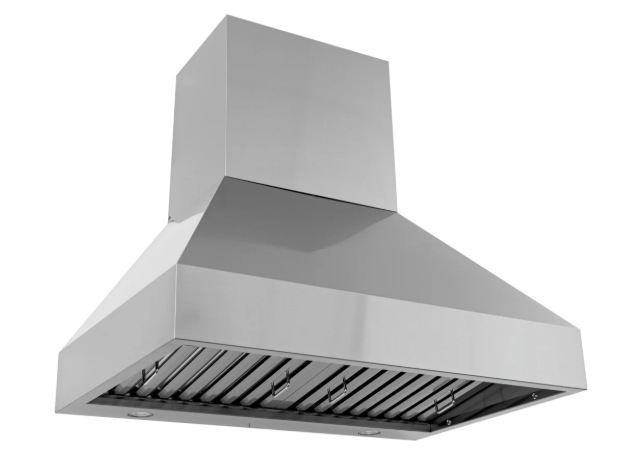
A properly ventilated kitchen is essential for maintaining a healthy, comfortable, and clean cooking environment. Every time food is prepared, smoke, grease particles, steam, heat, and cooking odors are released into the air. Without effective ventilation, these contaminants can accumulate on cabinets, walls, ceilings, and countertops while affecting indoor air quality. Installing a 48 inch vent hood is an excellent solution for homeowners with large cooking ranges who want efficient airflow and better kitchen hygiene. Whether cooking daily family meals or preparing elaborate dishes, a properly sized ventilation system helps create a more enjoyable cooking experience while protecting the kitchen from long-term grease and moisture buildup.
Modern range hoods are available in various mounting styles, airflow capacities, and designs, making it easier to choose a ventilation system that complements both the kitchen layout and cooking requirements. Larger range hoods are commonly recommended for wider cooktops because they provide improved capture of smoke and grease across the entire cooking surface.
What Is a 48 Inch Vent Hood?
A 48 inch vent hood is a kitchen ventilation appliance designed to be installed above cooking appliances that measure approximately 42 to 48 inches wide. Its primary function is to remove smoke, airborne grease, moisture, heat, and cooking odors before they circulate throughout the home.
These ventilation systems are available as wall-mounted, under-cabinet, island, and insert models. Depending on the installation, they may vent air outdoors through ductwork or use filters to clean and recirculate indoor air.
Choosing the right ventilation style depends on the kitchen design, cooking habits, and available installation space.
Why Proper Kitchen Ventilation Is Important
Improves Indoor Air Quality
Cooking releases airborne particles that can remain suspended in indoor air long after meal preparation has ended. Frying, grilling, and sautéing often produce smoke and grease that affect both comfort and cleanliness.
A 48 inch vent hood captures these contaminants efficiently, helping maintain fresher indoor air while reducing lingering cooking odors.
Reduces Grease Buildup
Airborne grease gradually settles on surrounding surfaces, including cabinets, appliances, countertops, and walls. Over time, this buildup becomes difficult to remove and may reduce the appearance of kitchen finishes.
An efficient ventilation system captures much of this grease before it spreads throughout the room, making routine cleaning easier.
Controls Heat and Moisture
Cooking appliances generate considerable heat and steam, especially during extended cooking sessions.
Installing a 48 inch vent hood helps remove excess heat and humidity, improving overall kitchen comfort while reducing condensation that may affect cabinetry and painted surfaces.
Types of 48 Inch Vent Hoods
Wall-Mounted Models
Wall-mounted hoods are installed directly against the wall above the cooktop. They are one of the most common choices for residential kitchens and are available in a wide variety of contemporary and traditional designs.
Under-Cabinet Models
These units fit beneath existing cabinets, making efficient use of available space while providing dependable ventilation for everyday cooking.
Island Hoods
Island-mounted ventilation systems are suspended from the ceiling above kitchen islands. Since island cooktops have no surrounding walls, these hoods are designed to provide broad capture coverage from every direction.
Insert Models
Insert ventilation systems fit inside decorative wood enclosures or custom cabinetry, allowing homeowners to achieve a seamless appearance while maintaining strong ventilation performance. Many homeowners choose inserts for custom kitchen designs that conceal the mechanical components while preserving efficient airflow.
Features to Consider Before Choosing a Vent Hood
Airflow Capacity
Ventilation performance is measured in cubic feet per minute (CFM). Larger cooking appliances and high-heat cooking methods generally require higher airflow ratings.
Choosing the appropriate CFM ensures efficient removal of smoke, grease, and cooking vapors.
Noise Levels
Modern ventilation systems offer multiple fan speeds that balance airflow with quieter operation, making kitchens more comfortable during meal preparation.
Lighting
Integrated LED lighting improves visibility across the cooking surface while consuming less energy and requiring minimal maintenance.
Filter Systems
Most kitchen hoods use stainless steel baffle filters or aluminum mesh filters to capture grease particles. Cleaning these filters regularly helps maintain consistent airflow and prolongs equipment life.
Installation Considerations
Proper installation significantly affects ventilation performance. Factors such as hood height, duct diameter, duct length, and airflow direction all influence efficiency.
Many installation guidelines recommend mounting the hood approximately 28 to 36 inches above the cooking surface, depending on the cooking appliance and hood design. Proper duct sizing also helps maximize airflow while reducing unnecessary motor strain.
Maintaining Your Vent Hood
Routine maintenance helps ensure reliable long-term operation.
Important maintenance practices include:
1. Cleaning grease filters regularly.
2. Wiping exterior surfaces after cooking.
3. Inspecting ductwork for blockages when applicable.
4. Replacing charcoal filters in recirculating systems according to manufacturer recommendations.
Regular maintenance allows a 48 inch vent hood to continue providing efficient ventilation while extending the lifespan of the appliance.
Benefits of Selecting the Right Vent Hood
Choosing an appropriately sized 48 inch vent hood offers several long-term advantages. Proper ventilation improves indoor air quality, minimizes grease buildup, removes excess heat, and creates a more pleasant cooking environment.
A well-selected ventilation system also helps protect cabinetry, ceilings, and surrounding finishes from long-term exposure to grease and moisture while improving overall kitchen cleanliness.
Conclusion
Kitchen ventilation plays an essential role in maintaining a comfortable, healthy, and functional cooking space. Understanding ventilation styles, airflow requirements, installation considerations, and maintenance practices allows homeowners to make informed decisions when selecting the right equipment. For homeowners planning custom cabinetry, a range hood insert offers an excellent solution for combining efficient ventilation with a clean, integrated kitchen design. A properly chosen 48 inch vent hood provides effective removal of smoke, steam, grease, and cooking odors while supporting a cleaner and more enjoyable kitchen environment.
