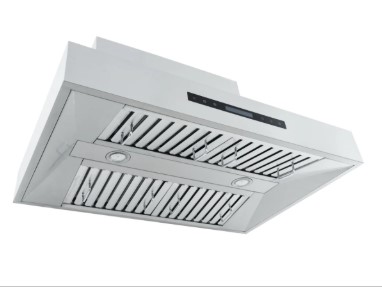
Smoke, steam, grease, and persistent cooking odors can make a kitchen feel uncomfortable long after the meal is finished. A wall mount range hood vent is designed to deal with those problems at the source by drawing contaminated air up and away from the cooking surface. When it is matched correctly to the range and installed thoughtfully, it can make the kitchen feel fresher, cleaner, and easier to use every day.
Many homeowners first notice the need for better ventilation when surfaces start feeling sticky, odors linger in nearby rooms, or the kitchen seems warm and heavy during cooking. Those everyday frustrations often point to a simple problem: the current ventilation is too weak, poorly positioned, or missing altogether. Choosing the right hood can solve more than just smell. It can improve the entire cooking environment.
What Good Ventilation Changes
A strong hood can reduce the amount of grease that settles on cabinets, walls, and nearby fixtures. It can also help control the moisture released during boiling and simmering, which matters in kitchens that already struggle with humidity or limited airflow.
The benefits are especially noticeable in open layouts where cooking odors travel into dining and living areas. A wall mount range hood vent can help contain those effects before they spread through the rest of the home.
Matching The Hood To The Range
One of the most important buying decisions is making sure the hood width and performance suit the cooking surface below it. If the hood is too small or too weak, smoke and grease can escape from the edges and remain in the room. A better fit creates a cleaner capture zone directly above the range.
This is why buyers should think about cooking habits rather than relying only on appearance. A household that cooks frequently at high heat usually needs more from the ventilation system than one that cooks lightly a few times a week.
Why Duct Routing Matters
Even a good hood can underperform when the duct path is poorly planned. Long or complicated routes can reduce airflow efficiency and sometimes increase noise. A shorter, more direct route generally supports stronger and more consistent results.
Installation planning should also consider wall space, ceiling height, and the overall layout of the kitchen. The hood should feel integrated into the room rather than forced into place after the fact.
Balancing Looks With Everyday Use
A visible hood becomes part of the kitchen design, so finish and shape do matter. At the same time, practical features often determine whether the appliance feels satisfying after the first few weeks. Good lighting, accessible controls, washable filters, and manageable noise levels all improve the daily experience.
That balance between design and function is what makes a ventilation upgrade truly worthwhile. A hood should look intentional, but it should also make the kitchen easier to live with.
Conclusion
Better ventilation can change how the whole kitchen feels during and after cooking. Buyers who focus on fit, airflow, duct planning, and everyday convenience are more likely to get results they actually notice. A wall mount range hood vent remains a strong solution for many wall-based cooking layouts, while an island range hood 30 inch model may be the better answer when the cooktop is positioned away from the wall in a more open kitchen design.
