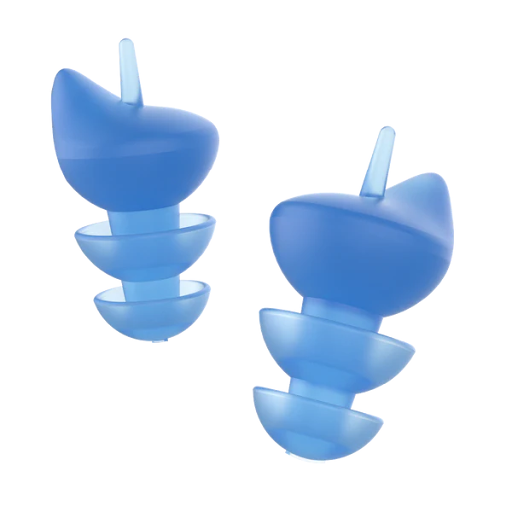
Noise pollution has become a growing concern in urban environments, workplaces, and even during rest and travel. As a result, hearing protection solutions have evolved to offer better comfort, usability, and effectiveness. Among these solutions, earplugs for noise cancellation are widely used for reducing exposure to harmful or distracting sound levels in daily life.
Unlike electronic noise-cancelling devices, earplugs rely primarily on passive sound isolation. This means they physically block or reduce sound waves from entering the ear canal, helping users experience a quieter environment simply and cost-effectively. Over time, different materials and designs have been developed to suit various noise levels, comfort needs, and use cases.
How Noise-Cancelling Earplugs Work
Earplugs function by creating a seal within or over the ear canal, preventing sound waves from fully entering the inner ear. The effectiveness of this seal determines how much noise reduction a user experiences. Most earplugs are measured using Noise Reduction Rating (NRR), which indicates the level of sound attenuation provided under laboratory conditions.
Foam-based materials are particularly effective because they expand after insertion, creating a tight fit that blocks a wide range of frequencies. This makes them one of the most widely used options for general hearing protection and sleep support.
Types of Earplugs Used for Noise Reduction
There are several categories of earplugs designed for different environments and user preferences:
- Foam-based earplugs
- Silicone moldable earplugs
- Wax-based earplugs
- High-fidelity filtered earplugs
- Custom-molded hearing protection
Why Foam-Based Earplugs Are Widely Used
A major reason for the popularity of these earplugs is their ability to provide strong passive noise reduction. Made from soft, expandable polyurethane material, they compress before insertion and expand inside the ear canal to form a secure seal.
Research shows that earplugs typically provide some of the highest noise reduction ratings among all earplug types, often ranging between 30 and 33 decibels depending on design and fit. This makes them highly effective for environments such as sleeping in noisy surroundings, travelling, or working in loud industrial settings.
Another advantage of foam designs is their accessibility. They are widely available, inexpensive, and often disposable, making them a practical choice for short-term or frequent use.
Comfort and Practical Usage Considerations
While earplugs offer strong noise reduction, comfort can vary depending on ear canal shape and insertion technique. Because they expand inside the ear, some users may experience pressure or discomfort if they are inserted too deeply or used for long durations.
However, their effectiveness often makes them the preferred option in situations where maximum sound blocking is required. Proper usage technique, rolling, inserting, and allowing full expansion, is essential to achieving optimal performance.
Applications of Noise-Cancelling Earplugs
The use of earplugs for noise cancellation spans multiple everyday scenarios, including:
- Sleep improvement in noisy environments
- Protection in industrial workplaces
- Travel and commuting comfort
- Focus and study enhancement
- Reduction of environmental stress and overstimulation
Safety and Long-Term Use Considerations
Although earplugs are generally safe, prolonged or improper use can sometimes lead to issues such as earwax buildup, irritation, or infection risk. Maintaining hygiene and replacing disposable types regularly helps reduce these risks.
It is also important to choose the right type of earplugs based on the environment and usage duration, as over-blocking sound in certain situations may reduce awareness of important external cues like alarms.
Conclusion
In today’s increasingly noisy environments, earplugs for noise cancellation provide an effective and accessible solution for protecting hearing and improving comfort. While multiple materials are available, foam earplugs remain one of the most efficient options for strong passive noise reduction, especially in high-noise or sleep-focused environments. Together, these solutions highlight how simple acoustic design can significantly improve daily well-being and auditory protection when used correctly.
