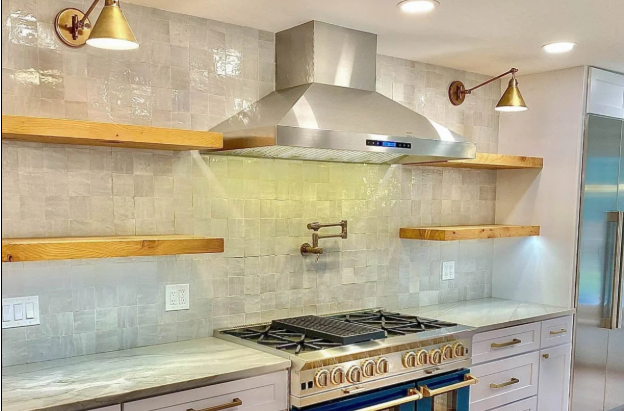
A well-designed kitchen needs more than attractive cabinetry and reliable cooking appliances. Proper ventilation helps manage smoke, grease, heat, steam, and odours produced during everyday cooking. Choosing a suitable 48 kitchen hood can be particularly important in kitchens with wider cooktops, professional-style ranges, or multiple cooking zones that generate substantial amounts of airborne pollutants.
Range hoods capture cooking emissions and either exhaust them outdoors or filter the air before returning it to the room, depending on the system. The right choice depends on the cooking equipment, kitchen layout, available ductwork, and ventilation requirements. Understanding these factors can help homeowners select equipment that supports a comfortable cooking environment without compromising the overall kitchen design.
Understanding the Benefits of a Wider Range Hood
A wider range hood can provide useful coverage over large cooking surfaces. When a hood extends appropriately over the cooktop, it can capture rising smoke and grease more effectively, provided its design, mounting height, airflow, and installation are suitable.
This can be especially valuable for households that frequently use several burners at once, prepare meals at high temperatures, or cook with methods that produce significant smoke. Searing meat, stir-frying vegetables, and frying foods can release particles and vapours that linger without adequate ventilation.
A wider hood may also complement larger kitchen appliances visually. Matching the hood’s dimensions to the range creates a more balanced appearance, particularly in spacious kitchens with substantial cabinetry or statement cooking areas.
Key Features to Consider Before Buying
Choosing a range hood requires evaluating both performance and practical requirements. A model that looks suitable may not provide the airflow or installation compatibility needed for a particular kitchen.
- Airflow capacity: Airflow is commonly measured in cubic feet per minute (CFM). The appropriate capacity depends on the type of range, burner output, cooking habits, and applicable ventilation guidance. Higher airflow is not automatically better if the duct system cannot support it.
- Ducted or ductless operation: Ducted hoods discharge air outdoors, while ductless models use filters to reduce certain airborne contaminants before recirculating air into the kitchen. Ducted systems generally provide more effective removal of heat and moisture from the room.
- Noise levels: Fan noise can affect the cooking experience, especially in open-plan homes. Comparing sound ratings at different fan speeds can help homeowners balance ventilation performance with comfort.
- Filter maintenance: Grease filters collect airborne grease and require regular cleaning. Removable filters that are easy to access can simplify maintenance and help preserve airflow.
- Lighting and controls: Integrated lighting improves visibility over the cooking surface, while accessible controls make it easier to adjust fan speed and illumination during meal preparation.
Matching the Hood to Your Kitchen Layout
Installation planning should begin before purchasing the appliance. Measure the cooking surface, available wall or ceiling space, and distance between the range and the intended hood location.
A 48 kitchen hood may suit a 48-inch range, but the final dimensions should reflect the manufacturer’s recommendations and the kitchen’s physical constraints. In some installations, a hood wider than the cooking surface may provide additional capture coverage if space allows.
Mounting height is another important consideration. Installing the hood too high can reduce its ability to capture rising emissions, while positioning it too low may interfere with cooking or violate manufacturer specifications.
Maintaining Range Hood Performance
Regular maintenance helps ensure that a range hood continues to operate effectively. Grease filters should be cleaned at the intervals recommended by the manufacturer, particularly in kitchens where frying or high-heat cooking is frequent.
Homeowners should also inspect the visible duct connection and exterior termination for signs of obstruction or damage. Accumulated grease, debris, or restricted airflow can interfere with ventilation and create maintenance concerns.
The hood’s exterior can be cleaned with products suitable for its finish. Stainless steel surfaces, for example, generally benefit from non-abrasive cleaners that reduce the risk of scratching.
Conclusion
Selecting an effective range hood involves balancing dimensions, airflow, noise, installation requirements, and maintenance needs. Homeowners should also consider how the ductwork connects to the exterior of the building. Suitable roof caps for range hoods help provide an appropriate outdoor termination for ducted systems when compatible with the installation. Careful planning helps ensure that the appliance suits the cooking surface and performs reliably within the kitchen’s ventilation system.
