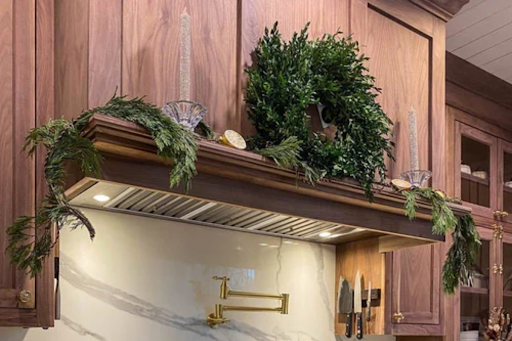
A well-ventilated kitchen is essential for maintaining air quality and ensuring a comfortable cooking environment. One of the most effective solutions for modern kitchens is the 36 inch range hood insert, designed to provide powerful ventilation while maintaining a sleek and concealed appearance.
These inserts are especially popular in custom kitchen designs, where homeowners prefer a clean, built-in look without compromising on performance. Understanding their features, functionality, and benefits can help in selecting the right option for your cooking needs.
What is a Range Hood Insert?
A range hood insert is a ventilation unit that fits inside a custom-built hood or cabinetry. Unlike traditional range hoods, inserts are hidden from view, offering a seamless and integrated kitchen design.
They function as the core component of a ventilation system, pulling in smoke, grease, and odors produced during cooking and expelling them outside or filtering them before recirculating the air.
Why Choose a 36 Inch Range Hood Insert
The 36 inch range hood insert is one of the most popular sizes due to its versatility and compatibility with standard cooktops. It works well with both 30-inch and 36-inch ranges, providing sufficient coverage and airflow.
Wider Coverage Area
A 36-inch insert offers a larger capture area compared to smaller models, ensuring that smoke and grease are effectively removed even during high-heat cooking.
High Airflow Capacity
Many models deliver airflow ranging from 600 to 1200 CFM or more, making them suitable for heavy cooking tasks such as frying or grilling.
Seamless Integration
These inserts are designed to fit within standard cabinetry or custom hoods, creating a clean and professional kitchen appearance.
Key Features to Consider
CFM (Airflow Power)
CFM, or cubic feet per minute, measures the airflow capacity of a range hood. Higher CFM ratings are ideal for frequent or high-heat cooking, as they remove smoke and odors more effectively.
Blower Types
Range hood inserts may include local, inline, or remote blowers. Each type offers different levels of noise and performance, allowing users to choose based on their preferences.
Filter System
Most inserts use baffle or mesh filters to capture grease and particles. Baffle filters are often preferred for their durability and efficiency in handling heavy cooking.
Lighting
Integrated LED or halogen lighting improves visibility while cooking and enhances the overall kitchen experience.
Noise Levels
Modern inserts are designed to operate quietly, even at higher speeds, making them suitable for open-concept kitchens.
Benefits of Using a Range Hood Insert
Improved Air Quality
Range hood inserts effectively remove smoke, steam, and airborne grease, improving indoor air quality and creating a healthier environment.
Reduced Cleaning Effort
By capturing grease before it settles on surfaces, inserts help keep kitchens cleaner and reduce maintenance requirements.
Enhanced Aesthetics
The concealed design allows homeowners to maintain a streamlined kitchen appearance without visible appliances.
Versatility
Range hood inserts can be installed in various configurations, including wall-mounted, island, or custom-built hoods.
Installation and Sizing Tips
Proper sizing and installation are critical for optimal performance.
Correct Sizing
A general rule is to choose an insert that is slightly larger than your cooktop to ensure better coverage and airflow.
Cabinet Fit
The insert should be slightly smaller than the cabinet opening to allow for proper installation and ventilation.
Ducting Options
Ducted systems are more efficient as they expel air outside, while ductless systems use filters to recirculate air within the kitchen.
Professional Installation
While some homeowners opt for DIY installation, professional installation is recommended for ensuring proper airflow and safety.
Importance of Ventilation for Outdoor Cooking
Ventilation is not limited to indoor kitchens. For outdoor cooking setups, especially those involving grills, having a proper hood for bbq is essential.
Outdoor cooking generates significant smoke and grease, which can accumulate quickly without adequate ventilation. A high-capacity hood ensures that smoke is effectively removed, improving comfort and safety during cooking.
When selecting a ventilation system for outdoor use, factors such as higher CFM ratings and durable materials should be considered to handle the demands of grilling.
Maintenance and Care
Regular Cleaning
Filters should be cleaned regularly to maintain efficiency and prevent grease buildup.
Inspect Ductwork
Periodic inspection of ductwork ensures proper airflow and prevents blockages.
Replace Filters
For ductless systems, charcoal filters should be replaced every few months to maintain performance.
Check Electrical Components
Ensure that all electrical connections and controls are functioning properly for safe operation.
Common Mistakes to Avoid
Choosing the Wrong Size
Selecting an insert that is too small can reduce its effectiveness in capturing smoke and odors.
Ignoring CFM Requirements
Underestimating airflow needs can lead to poor ventilation, especially in kitchens with heavy cooking.
Improper Installation
Incorrect installation can affect performance and increase noise levels.
Neglecting Maintenance
Failure to clean and maintain the insert can reduce efficiency and lifespan.
Conclusion
A 36 inch range hood insert is a practical and efficient solution for modern kitchens, offering powerful ventilation while maintaining a clean and integrated design. For both indoor and outdoor setups, incorporating the right ventilation system—such as a properly designed hood for BBQ—ensures improved air quality, enhanced comfort, and a more enjoyable cooking experience. Its ability to handle heavy cooking tasks makes it a popular choice among homeowners and professionals alike.
