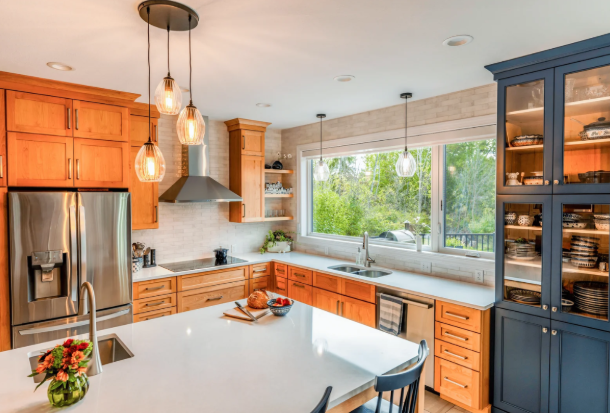
Why Choose a 30-Inch Range Hood?
A well-designed range hood helps manage smoke, grease, odors, and airborne particles produced during cooking. Choosing the correct size is essential for effective ventilation, and a 30-inch model is a common option for kitchens with a cooktop of the same width.
When searching for a 30 inch range hood for sale, homeowners should consider more than appearance. Airflow capacity, ventilation type, noise levels, installation requirements, and maintenance all influence how well a hood performs.
A suitable range hood can help keep nearby surfaces cleaner and improve kitchen comfort. The best choice depends on the cooking appliances, the layout of the room, and how frequently the kitchen is used.
Is a 30-Inch Range Hood the Right Size?
A 30-inch range hood is generally designed for a cooking surface approximately 30 inches wide. However, the correct hood dimensions depend on the cooktop manufacturer’s recommendations and the hood’s design.
The hood should provide adequate coverage over the burners to capture rising smoke and grease effectively. In some installations, a wider hood may improve capture, particularly when cooking involves high heat or large pans.
Before choosing a 30 inch range hood for sale, measure the cooking surface and available installation space. Check the required mounting height, cabinet dimensions, and clearance specifications for both the hood and the range.
It is also important to consider the depth of the hood. A model that is too shallow may not capture emissions effectively from the front burners, even if its width matches the cooktop.
Understanding Ducted and Ductless Models
Range hoods generally fall into two categories: ducted and ductless. Understanding the difference helps determine which model suits the kitchen.
Ducted Range Hoods
Ducted models draw in cooking emissions and send the air outdoors through a duct system. When correctly installed, they can remove smoke, odors, moisture, and airborne pollutants from the home.
Performance depends on the hood’s airflow, duct diameter, duct length, number of bends, and exterior vent termination. Poorly designed ductwork can reduce airflow and undermine the effectiveness of the system.
For homeowners who cook frequently, a properly installed ducted hood is often worth considering because it removes captured air from the building rather than returning it to the kitchen.
Ductless Range Hoods
Ductless models filter air and return it to the room. They commonly use grease filters and activated-carbon filters to capture grease and reduce odors.
These models can be practical when exterior ductwork is difficult or impossible to install. However, they do not remove moisture and combustion gases outdoors in the same way as a ducted system. Filter maintenance is also essential to preserve performance.
When evaluating a 30 inch range hood for sale, check whether the model supports ductless operation and whether any conversion kits or additional filters are required.
Choosing the Right Airflow Capacity
Airflow is commonly measured in cubic feet per minute (CFM). The appropriate capacity depends on the cooking appliance, cooking habits, hood design, and ventilation system.
A household that regularly sears meat, fries food, or cooks with several burners at once may need more effective capture than a household that prepares simple meals occasionally.
However, choosing the highest available CFM is not always the best solution. Duct restrictions, hood geometry, noise, and the kitchen’s makeup-air requirements can all affect performance. In some homes, powerful exhaust equipment may require additional provisions to prevent pressure-related problems.
Review manufacturer specifications and applicable building or mechanical codes before deciding on airflow requirements.
Features Worth Comparing Before Buying
A 30 inch range hood for sale may include several features that affect convenience and performance.
Fan speed settings: Multiple settings allow users to adjust ventilation to the cooking task.
Lighting: Integrated lights improve visibility over the cooking surface, especially in kitchens with limited overhead lighting.
Filter design: Removable, washable grease filters simplify routine cleaning. Ductless models may also require replaceable carbon filters.
Noise levels: Compare sound ratings at the fan speeds you expect to use most often. A quieter model may encourage more consistent use.
Construction and finish: Stainless steel and other durable finishes can complement different kitchen designs. Consider how easily the exterior can be cleaned.
Controls: Buttons, touch controls, or other interfaces should be easy to operate during cooking.
Reviewing these features alongside installation requirements helps narrow the choices to models that suit your kitchen and budget.
Conclusion
Finding the right 30 inch range hood for sale involves matching the hood to the cooktop, selecting an appropriate ventilation configuration, and evaluating airflow, noise, filtration, and installation requirements. A properly selected and maintained model can improve kitchen comfort while helping control cooking-related pollutants. The article What Is the Average Range Hood Installation Time and Cost? is a useful reference when planning the project and estimating the work involved. Before making a purchase, review the manufacturer’s specifications and determine whether your kitchen can support the chosen ventilation system. Planning for installation from the beginning helps avoid unexpected modifications and supports reliable long-term performance.
