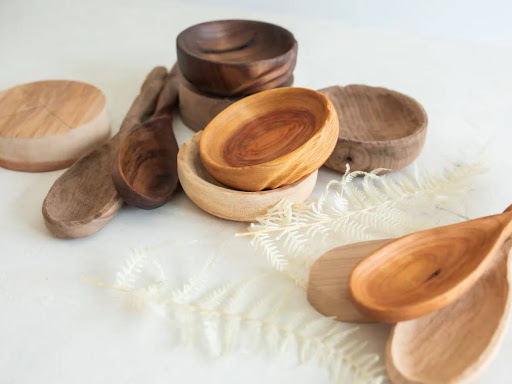
Creating high-quality wooden utensils requires a balance of technique, material selection, and finishing methods that ensure both durability and visual appeal. Many artisans struggle with achieving smooth surfaces that can withstand daily use without cracking, warping, or absorbing moisture. The process involves more than just shaping wood; it demands attention to grain direction, tool control, and finishing precision. In the context of wooden utensil carving, understanding how each step contributes to the final outcome is essential for producing utensils that are not only functional but also long-lasting and aesthetically refined.
Choosing the Right Wood for Lasting Results
Selecting the appropriate type of wood is the foundation of any successful carving project. Hardwoods such as maple, cherry, and walnut are commonly preferred due to their tight grain structure and natural resistance to wear. These woods are less porous, making them ideal for kitchen use where moisture exposure is frequent. During wooden utensil carving, the grain orientation plays a critical role in preventing splits and ensuring a smoother finish. Working with straight, even grain allows tools to glide more consistently, reducing tear-out and surface irregularities that can compromise durability over time.
Tool Selection and Control Techniques
Using the right tools significantly impacts both the carving process and the quality of the finish. Sharp gouges, carving knives, and rotary shaping tools enable precise material removal without damaging the wood fibers. Proper tool control minimizes uneven cuts and reduces the need for excessive sanding later. In wooden utensil carving, maintaining sharp edges on tools is essential, as dull blades can crush the wood rather than cut it cleanly. Controlled, steady movements help preserve the integrity of the surface, allowing for a smoother transition from shaping to finishing stages.
Achieving a Smooth Surface Through Sanding
Sanding is a crucial step in refining the surface of carved utensils. Starting with a medium grit and gradually progressing to finer grits ensures that scratches are systematically removed. This gradual process enhances the texture and prepares the wood for finishing treatments. While performing wooden utensil carving, it is important to sand along the grain to avoid visible marks that can affect the final appearance. Consistent sanding not only improves smoothness but also helps in closing the wood pores, which contributes to better absorption of finishing oils and increased durability.
Finishing Methods for Durability and Safety
The finishing stage determines how well the utensil will perform in real-world use. Food-safe finishes such as mineral oil, beeswax blends, or specialized wood conditioners are commonly used to protect the surface from moisture and bacteria. These finishes penetrate the wood, enhancing its natural properties while providing a protective barrier. In wooden utensil carving, applying multiple thin coats rather than a single thick layer ensures even coverage and longer-lasting protection. Regular maintenance, including reapplication of finish, helps preserve both the appearance and functionality of the utensil over time.
Preventing Common Issues in Wooden Utensils
Even well-crafted utensils can develop issues if proper techniques are not followed. Cracking, rough textures, and uneven finishes are often the result of improper drying, poor sanding, or inadequate finishing. Controlling moisture content before carving and allowing the wood to acclimate to its environment can prevent structural problems. When carving, attention to detail at every stage reduces the likelihood of defects and ensures a more consistent final product. Addressing small imperfections early in the process leads to better overall results and reduces the need for corrections later.
Conclusion
Achieving smooth and durable finishes in carved utensils requires a combination of careful material selection, precise tool use, and effective finishing techniques. Each step, from choosing the right wood to applying protective coatings, contributes to the longevity and usability of the final product. By following structured methods and using reliable equipment, artisans can create utensils that are both functional and visually appealing, especially when supported by the efficiency of wood shaping power tools. Consistency and attention to detail are key factors that distinguish high-quality craftsmanship from average results.
