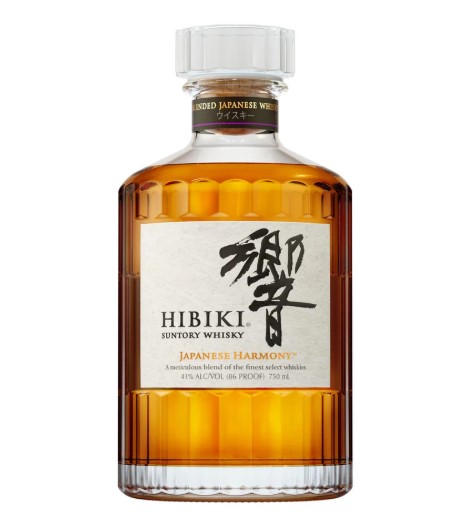
Over the past two decades, international spirits competitions have repeatedly highlighted one category that continues to outperform expectations. Collectors, critics, and casual drinkers alike have noticed how Japanese whiskey consistently earns top scores, gold medals, and limited-edition sellouts. This recognition is not accidental, but the result of deliberate craftsmanship, disciplined production methods, and a strong cultural approach to refinement. From global tasting panels to blind judging events, these whiskies stand out for balance, precision, and elegance, qualities that resonate strongly with international standards of excellence.
Precision Rooted In Craftsmanship
A defining reason behind the success of Japanese whiskey lies in its uncompromising attention to detail. Distillers emphasize precision at every stage, from ingredient selection to fermentation timing and distillation cuts. This meticulous approach mirrors broader Japanese craftsmanship traditions, where mastery is achieved through repetition and refinement. As a result, the final spirit often delivers remarkable clarity and balance, qualities that judges consistently reward during international evaluations.
Climate And Maturation Play A Key Role
The natural environment contributes significantly to flavor development. Many producers age Japanese whiskey in regions with wide seasonal temperature swings, accelerating interaction between spirit and oak. This climate-driven maturation enhances complexity without overpowering the palate. The controlled yet dynamic aging process allows flavors to develop harmoniously, which often gives these whiskies an edge in blind tastings against competitors aged under more uniform conditions.
Balance Over Intensity Appeals To Judges
International judging panels tend to favor spirits that demonstrate harmony rather than extremes. One reason Japanese whiskey frequently excels is its focus on balance instead of aggressive peat, smoke, or alcohol burn. The flavor profiles often emphasize subtle layers of fruit, spice, oak, and umami, creating a refined tasting experience. This restrained elegance aligns well with scoring criteria that value complexity, smoothness, and drinkability.
Innovation Without Losing Tradition
While tradition remains central, producers are not afraid to innovate. The global rise of Japanese whiskey has been fueled by experimentation with yeast strains, fermentation lengths, and barrel varieties. Mizunara oak, for example, introduces unique aromatic qualities that set these whiskies apart. By blending innovation with traditional techniques, distilleries create distinctive expressions that capture the attention of international judges seeking originality without sacrificing quality.
Consistency Across Expressions
Another factor behind high rankings is consistency. Whether sampling entry-level bottles or premium releases, judges often note the dependable quality of Japanese whiskey across different price points. This reliability reflects strong quality control standards and a philosophy that values brand reputation over volume. Consistent excellence builds trust among evaluators, increasing the likelihood of repeated recognition at major competitions.
Cultural Philosophy Shapes Production
The cultural mindset behind production also plays a major role. Many distillers approach Japanese whiskey with a philosophy centered on harmony, patience, and respect for ingredients. This mindset influences everything from water sourcing to blending decisions. Instead of pushing bold signatures, the goal is often to create a spirit that feels complete and polished. This philosophy resonates strongly with international panels that reward refinement and thoughtful composition.
Global Recognition Reinforces Prestige
As awards accumulate, reputation reinforces itself. High-profile wins have elevated Japanese whiskey into a premium category, attracting more attention from global competitions. Increased scrutiny has not diluted quality; instead, it has encouraged producers to uphold even higher standards. This cycle of recognition and refinement helps maintain dominance in international rankings year after year.
Conclusion
The frequent top placement of Japanese whiskey in international rankings reflects a rare combination of craftsmanship, balance, innovation, and cultural discipline. These whiskies consistently meet the criteria that global judges value most, from flavor harmony to technical precision. While other regions continue to produce outstanding spirits, including respected styles like Canadian whiskey, the distinctive approach taken by Japanese distillers has secured a lasting position at the top. This ongoing success confirms that careful process, patience, and respect for detail remain the foundation of world-class whisky recognition.
