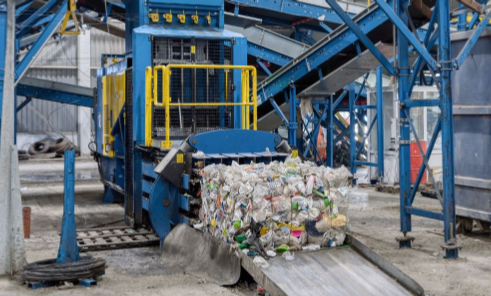
Efficient waste management is a critical component of modern businesses, industrial facilities, and even residential complexes. As environmental regulations tighten and sustainability becomes a priority, organisations are seeking innovative ways to handle waste effectively while reducing costs and environmental impact. Compactors play a central role in achieving these objectives by streamlining waste processing, minimising space requirements, and facilitating responsible disposal practices. Compactors have become a cornerstone of efficient waste management, ensuring that materials are handled safely, cost-effectively, and sustainably.
By compressing waste into manageable sizes, compactors reduce the frequency of waste collection and improve operational efficiency. They are suitable for a wide range of environments, from manufacturing placnts and retail outlets to commercial offices, helping organisations optimise their waste disposal systems while maintaining a clean and organised workspace.
How Compactors Improve Waste Management
Reducing Waste Volume
One of the primary benefits of compactors is their ability to significantly reduce the volume of waste. By compressing materials such as cardboard, plastics, and general refuse, compactors minimise the space required for storage and transport. This reduction allows businesses to store more waste on-site without occupying excessive areas, which is particularly valuable in urban or limited-space settings.
Lowering Disposal Costs
Reducing waste volume directly impacts disposal costs. Fewer collections are needed, and transportation becomes more efficient, lowering operational expenses. For businesses that generate large amounts of waste, this cost efficiency can translate into substantial savings over time.
Enhancing Workplace Safety and Hygiene
Proper waste management is not just about efficiency—it also affects safety and hygiene. Overflowing bins and unorganised waste areas can pose hazards to staff and visitors. Compactors provide a contained and structured way to manage refuse, reducing the risk of accidents, spills, and pest infestations. This contributes to a cleaner, safer, and more professional environment.
Types of Compactors and Their Applications
Stationary Compactors
Stationary compactors are ideal for businesses with consistent waste output. These units remain in a fixed location and are typically connected to waste containers or skips for efficient disposal. They are commonly used in supermarkets, warehouses, and manufacturing facilities where high volumes of waste are generated regularly.
Mobile Compactors
Mobile compactors offer flexibility for organisations that need to move waste management solutions between sites. These compact units can be transported easily and are suitable for construction sites, events, and temporary operations. Mobile compactors provide the same volume reduction benefits while allowing adaptability to changing requirements.
Balers and Specialty Compactors
Some compactors, such as balers, are designed for specific materials like cardboard or plastics. These units compress recyclables into uniform bales, making them easier to transport, store, and recycle. Specialty compactors help organisations meet sustainability goals by streamlining the recycling process and promoting responsible waste disposal.
Environmental Benefits of Compactors
Promoting Recycling and Sustainability
Compactors are not just about efficiency—they play a vital role in promoting sustainability. By reducing the volume of recyclable materials and organising waste streams, compactors make recycling more practical and effective. Compressed and sorted materials are easier for recycling facilities to process, ensuring that fewer resources end up in landfills.
Reducing Carbon Footprint
Fewer waste collections mean less fuel consumption for transportation vehicles, which contributes to a lower carbon footprint. Businesses that implement compactors can demonstrate environmental responsibility while simultaneously optimising operational efficiency.
Conclusion
Compactors are essential tools for businesses and organisations seeking efficient, safe, and sustainable waste management solutions. They reduce waste volume, lower disposal costs, enhance hygiene, and promote recycling, making them a valuable investment for both operational and environmental goals. By integrating compactors into waste management systems, organisations can streamline processes, improve safety, and demonstrate a commitment to sustainability. For facilities aiming to further enhance responsible waste disposal, pairing compactors with skip bin recycling programs ensures maximum efficiency and environmental compliance, creating a complete and effective waste management strategy. Implementing these solutions not only optimises operations but also reflects a proactive approach to environmental stewardship that benefits the community.
