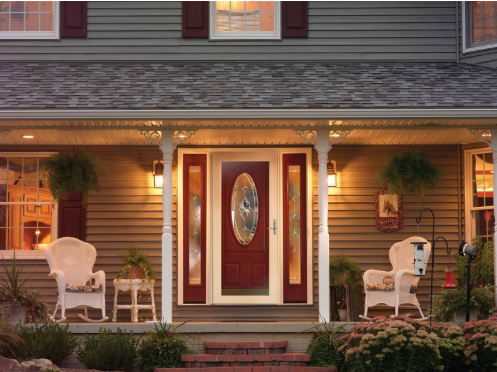
Selecting the right entry door is one of the most important decisions a homeowner or builder can make when designing a home’s exterior. For many renovators and architects today, modern entry doors offer an ideal balance of durability, visual appeal, and long-term performance. These doors combine contemporary aesthetics with advanced materials engineered to withstand harsh weather, enhance security, and elevate curb appeal. Understanding the key differences between popular materials can help buyers invest confidently in a door that aligns with both functional needs and stylistic preferences.
Comparing the Most Popular Materials for Modern Entry Doors
Fiberglass Doors: High Durability with Minimal Maintenance
Fiberglass has become one of the most widely chosen materials for modern entry doors thanks to its exceptional strength and ability to withstand environmental stress. Unlike wood, fiberglass does not warp, crack, or swell when exposed to moisture. It is highly resistant to dents, making it ideal for high traffic households or homes in regions with frequent storms.
Fiberglass doors can also mimic natural wood grain with impressive realism, allowing homeowners to enjoy the beauty of wood without the maintenance requirements. Energy efficiency is another strong advantage; fiberglass doors often come with insulated cores that help maintain indoor temperature and reduce energy loss.
Solid Wood Doors: Classic Beauty with a Premium Feel
Wood has long been a favorite for homeowners seeking warmth, rich texture, and undeniable character. High quality wood doors—made from materials like mahogany, oak, or walnut—provide a premium, timeless appearance that elevates traditional and transitional home designs.
For those wanting modern entry doors with a natural finish, wood remains unmatched in visual richness. However, wood requires regular care to preserve its appearance and structural integrity. Homeowners must commit to sealing, staining, or painting the door periodically to protect it from moisture and sun exposure. While wooden doors can be more expensive, many consider the investment worthwhile for the craftsmanship and aesthetic they provide.
Steel Doors: Strong Security and Cost-Effective Value
Steel doors appeal to those who prioritize security and structural strength. These doors are built with durable steel skins and insulated cores, providing excellent resistance against forced entry. Steel is also naturally fire-resistant, adding an extra level of protection.
Unlike wood, steel doors do not expand or contract dramatically with temperature changes. However, they may be prone to minor dents and scratches that can lead to rust if not properly maintained. For the cost-conscious homeowner looking for reliable modern entry doors that perform well in demanding climates, steel remains an attractive option.
Additional Materials and Design Considerations
Aluminum and Glass for Contemporary Minimalist Designs
Many modern homes incorporate aluminum and glass entry doors to achieve a sleek, minimalist appearance. Aluminum is lightweight, corrosion-resistant, and often combined with thermal breaks to improve insulation. Full glass or partial glass panel doors allow natural light to brighten interior spaces while maintaining a clean, modern aesthetic. Privacy glass, tinted glass, and reinforced laminated glass expand the design possibilities while ensuring safety and energy performance.
Composite Doors: Combining the Strengths of Multiple Materials
Composite doors blend materials such as wood fibers, polymers, and insulating foam to create an entry solution that offers the best qualities of several materials. They resist moisture, withstand impact, and require minimal upkeep. Composite options are growing popular among homeowners who want practical longevity without sacrificing style.
Conclusion
Choosing the right material for entry doors involves balancing beauty, durability, maintenance, and long-term value. Whether opting for the natural elegance of wood, the structural dependability of steel, the versatility of fiberglass, or the minimalist appeal of aluminum and glass, each material offers unique strengths suited to different design visions and climate considerations. For homeowners planning a full exterior upgrade, evaluating related products, such as window supplies, can help ensure that every architectural element aligns with the home’s design and performance goals.
