Choosing the right window style plays a major role in how a home performs over time. Beyond aesthetics, window design directly affects cleaning ease, long-term durability, and overall maintenance requirements. Homeowners comparing window options often focus on operation style and airflow, but durability and upkeep are equally important factors. When evaluating single vs double-hung windows, understanding how each option influences maintenance and lifespan can help homeowners make informed, long-lasting decisions.
Understanding Hung Window Designs
What Defines a Single-Hung Window
A single-hung window features a fixed upper sash and a movable lower sash. The lower sash slides vertically to allow ventilation, while the top portion remains stationary. This traditional design is widely used due to its simplicity and cost efficiency.
What Defines a Double-Hung Window
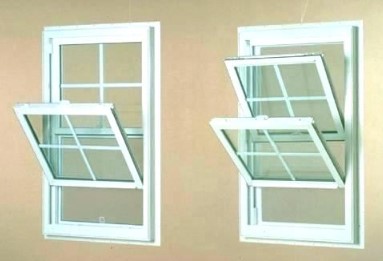
A double-hung window allows both the upper and lower sashes to move independently. This dual-operation design provides greater flexibility in airflow and cleaning access, especially in multi-story homes.
Maintenance Considerations for Each Window Type
Cleaning Accessibility
Maintenance often begins with cleaning, particularly for exterior glass surfaces. Single-hung windows require exterior access to clean the upper sash, which can be challenging for upper floors. Double-hung windows typically feature tilt-in sashes, allowing both panes to be cleaned from inside the home. This feature significantly reduces maintenance effort and improves safety.
Hardware and Moving Parts
Single-hung windows contain fewer moving components, which can simplify maintenance. With only one operable sash, there is less hardware that may wear out over time. Double-hung windows, while offering more functionality, include additional tracks, balances, and locking mechanisms that may require occasional inspection or adjustment.
Seal and Weatherstripping Maintenance
Both window types rely on seals and weatherstripping to prevent air and water infiltration. Double-hung windows may have slightly more sealing points due to the additional sash movement. However, modern manufacturing techniques help minimize this difference when windows are properly installed and maintained.
Durability and Long-Term Performance
Structural Stability
Single-hung windows tend to have slightly higher structural rigidity due to the fixed upper sash. Fewer moving parts can translate to increased durability in certain environments, particularly where extreme weather conditions are present.
Double-hung windows are engineered to balance flexibility with strength. High-quality frames and reinforced tracks help maintain long-term performance even with frequent use of both sashes.
Wear Over Time
Over years of operation, moving components experience natural wear. Single-hung windows may show less wear due to reduced sash movement. However, modern double hung designs use durable materials and balance systems that are designed for an extended lifespan with minimal performance degradation.
Impact on Ventilation and Moisture Control
Airflow Flexibility
Double-hung windows provide superior ventilation control. Opening the top sash allows warm air to escape while cooler air enters through the bottom, helping regulate indoor temperatures naturally. This improved airflow can reduce moisture buildup, indirectly supporting window longevity.
Single-hung windows offer effective ventilation but with limited airflow control, as only the lower sash operates.
Condensation Management
Better airflow contributes to moisture reduction around window frames. Homes with improved ventilation often experience less condensation, which helps protect window materials from long-term moisture damage.
Repair and Replacement Factors
Ease of Repairs
Single-hung windows are generally simpler to repair due to their straightforward design. Replacement parts are often readily available, and repairs may be less labor-intensive.
Double-hung windows may require specialized components for sash balances or tilt mechanisms. While repairs are still manageable, they may involve slightly higher service complexity.
Long-Term Cost Considerations
While double-hung windows may involve higher upfront costs, their ease of cleaning and ventilation benefits can reduce long-term maintenance effort. Single-hung windows may offer initial cost savings but may require more effort for exterior maintenance over time.
Conclusion
Understanding the maintenance and durability differences between single vs double-hung windows helps homeowners choose a solution that aligns with their long-term needs. The Window Depot offers expert guidance on each option, highlighting distinct advantages depending on cleaning access, structural simplicity, and ventilation preferences. When evaluating single vs double-hung designs, considering maintenance effort, durability expectations, and home layout ensures a practical and lasting window investment.
