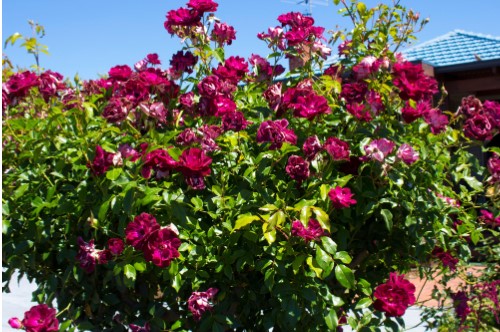
Iceberg roses (Rosa ‘Korbin’), often simply called Iceberg roses, are among the most popular and reliable floribunda rose varieties. Their abundant clusters of white or lightly tinted blooms, their vigor, and their disease resistance make them a favorite for both novice and experienced gardeners. But to truly harness their potential, you need to understand their fundamental needs — particularly in terms of soil, sunlight, and watering. This guide walks you through each of these critical factors to help you grow healthy, flourishing iceberg roses.
Soil Requirements
One of the key foundations for healthy Iceberg roses is the soil. These roses thrive best in well‑drained, fertile soil enriched with organic matter. Heavy clay or compacted soil can hinder root growth and lead to waterlogging, which increases the risk of root rot.
The ideal soil pH for Iceberg roses is slightly acidic to neutral. A pH between 6.0 and 6.5 is often recommended, though up to 7.0 can also work. To achieve this, mix in compost or well-rotted manure before planting: this not only improves aeration and nutrient content but also helps retain moisture.
When planting, dig a hole roughly twice the width of the root ball. Loosen the roots gently, place the plant at the same depth as it was previously growing, and then backfill with your amended soil. Water thoroughly to settle the soil, and then apply a layer of mulch around the base. Mulch helps to retain moisture, suppress weeds, and maintain an even soil temperature.
Sunlight Requirements
Sunlight is critical for Iceberg roses. These plants need at least 6 hours of direct sunlight each day to perform their best. In fact, many experts recommend 6–8 hours of sun for optimal bloom production.
If you live in a very hot region, a little afternoon shade can be beneficial to protect the flowers and foliage from scorching. Ensuring good airflow around the plant also helps reduce the risk of fungal diseases, which Iceberg roses are generally resistant to but can occasionally experience in overly crowded conditions.
Watering Needs
Watering correctly is one of the most common challenges gardeners face with Iceberg roses. These roses prefer deep but infrequent watering. Overwatering or shallow, frequent watering can lead to weak root systems and disease.
A good rule of thumb is to provide about 1 inch (2.5 cm) of water per week, adjusting during hot or drought-prone periods. Established Iceberg roses typically need watering once a week, though newly planted rose bushes may require more frequent hydration until their roots become established.
When watering, always aim at the base of the plant. Avoid wetting the foliage, as moisture on the leaves encourages fungal diseases such as black spot or powdery mildew. Using drip irrigation or soaker hoses is preferable to overhead sprinklers. Watering in the early morning is ideal, as this allows the soil to absorb moisture efficiently and helps any residual leaf moisture dry quickly, reducing fungal risk.
Establishing the Roses and Ongoing Care
When you first plant Iceberg roses, water deeply to help roots settle and establish. As the plant grows, maintain a regular schedule — water based on soil dryness rather than a rigid day-by-day routine.
In addition to soil and water, applying a balanced rose fertilizer helps sustain healthy growth. Feed in early spring and repeat periodically according to the product instructions. Mulching annually, especially before hot summers or cold winters, protects the roots and helps regulate moisture.
Pruning is also valuable. In early spring, cut back dead, diseased, or weak canes to improve structure and encourage new growth. This promotes better air circulation and healthier blooms.
Conclusion
Growing Iceberg roses successfully comes down to providing the right soil conditions, sufficient sunlight, and well-managed watering. With rich, slightly acidic soil, a sunny location, and deep but regular watering, these roses will reward you with abundant, elegant blooms all season long. Proper care and attention to these basic needs will help your rose bushes thrive and remain a stunning feature in your garden.
