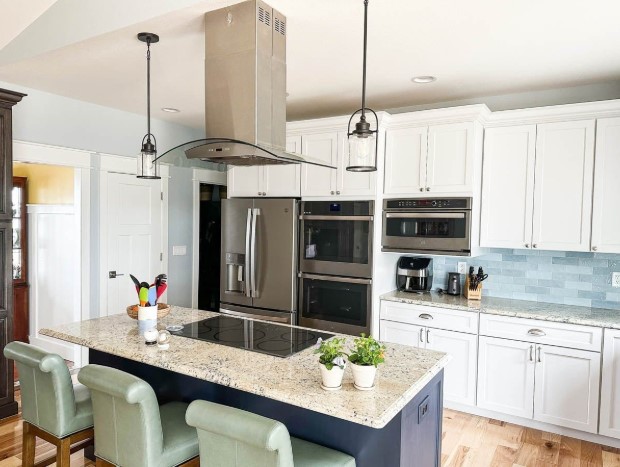
Kitchen ventilation plays a major role in maintaining clean indoor air, especially in homes where cooking is frequent and involves oils, steam, and smoke. Among the many ventilation solutions available today, an island-mounted system is often preferred for open kitchens. A 30-in island range hood is specifically designed for cooktops on kitchen islands, where smoke and grease rise freely from all sides.
For homeowners exploring efficient ventilation solutions, understanding how these systems work helps in selecting the right setup for performance and kitchen design.
Why Island Range Hoods Are Important?
Unlike wall-mounted systems, island cooktops are exposed on all sides, which makes proper ventilation more challenging. This is where an island range hood becomes essential. It is installed directly above the cooktop and attached to the ceiling, capturing smoke, grease, and cooking odors before they spread across the kitchen.
Industry guidance shows that island hoods often require stronger airflow and wider coverage compared to traditional setups because there are no surrounding walls to help direct airflow upward.
A properly sized island hood ensures better air quality and reduces buildup of grease on kitchen surfaces, cabinets, and ceilings.
Choosing the Right Size for Island Kitchens
Size is one of the most important factors when selecting a hood. For a standard 30-inch cooktop, a matching or slightly wider hood is generally recommended to ensure effective capture.
A 30-in island range hood is commonly used in compact to mid-sized kitchens where space is limited, but proper ventilation is still required. In many cases, it is designed to align exactly with the cooktop width while still providing adequate performance when paired with the correct airflow system.
Experts often suggest that island hoods should extend slightly beyond the cooktop edges when possible, since open layouts allow smoke to spread more easily compared to wall-backed ranges.
How Island Ventilation Systems Work?
A kitchen island setup relies heavily on upward airflow capture. The hood pulls air upward using a fan system and pushes it through ductwork or filtration systems.
A typical hood for a stove installation includes:
- A ceiling-mounted hood unit
- A motorized fan for airflow
- Grease filters (usually baffle or mesh)
- Ductwork that vents air outside the home or recirculates it in ductless models
Because island cooktops are exposed, the hood must work harder to capture rising air before it spreads into the surrounding space.
Key Features to Look for in Island Range Hoods
When selecting a 30-inch model, several performance factors should be considered:
Airflow Capacity (CFM)
Airflow determines how quickly smoke and odors are removed. Higher CFM ratings are generally preferred for island installations because of the open environment.
Mounting Height
Most installations recommend a distance of approximately 24 to 30 inches between the cooktop and hood bottom for optimal performance.
Noise Levels
Since island kitchens are often part of open living spaces, quieter operation is important for comfort during cooking and social gatherings.
Filtration System
High-quality filters help trap grease and improve long-term maintenance. Dishwasher-safe baffle filters are commonly used in modern designs.
Installation Considerations for Island Kitchens
Proper installation plays a major role in ventilation efficiency. The hood must be centered directly above the cooktop to ensure even capture from all burners.
Ducted systems are generally more effective because they expel air outside the home rather than recirculating it indoors. However, installation should always follow proper duct sizing and alignment to avoid airflow restrictions.
Even a high-performance system can lose efficiency if duct bends or improper sizing restrict airflow.
Benefits of Using a 30-Inch Island Hood
A properly installed island hood offers several advantages:
- Improved indoor air quality
- Reduced grease buildup in kitchens
- Better visibility while cooking
- Enhanced kitchen design aesthetics
- More comfortable open-space cooking experience
For many homeowners, upgrading to a dedicated island ventilation system significantly improves both cooking performance and overall kitchen comfort.
Conclusion
A well-designed island ventilation system is essential for maintaining clean air and comfort in modern open kitchens. In many modern kitchen setups, selecting the right vent hood for stove configuration also ensures that airflow is properly balanced across the entire cooking area, especially in open-plan layouts where odors and heat can spread quickly.
