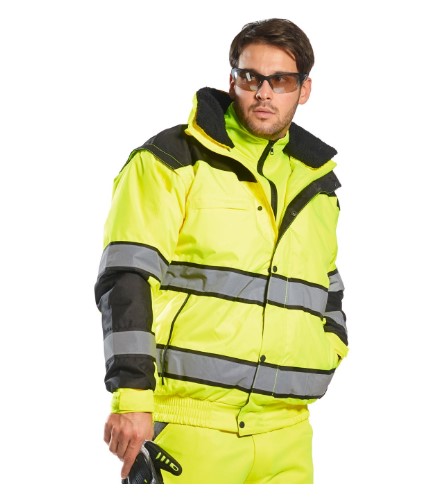
In modern workwear manufacturing, efficiency and customisation have become central to meeting industry demands. The growing use of Personalised Hi-Vis & Jackets in workplaces highlights the importance of combining safety with branding. Hi-vis garments are designed to enhance visibility in low-light and high-risk environments, helping reduce workplace accidents. When personalisation is added through print-on-demand systems, these garments also serve as a visual identity tool for organisations.
What is Print on Demand in Workwear?
Print on demand (POD) is a production model where items are manufactured only after an order is received. Unlike traditional mass production, this system avoids overstocking and reduces financial risk. According to industry explanations, POD relies on digital printing technologies that allow single-item or small-batch production efficiently without compromising quality. This approach has expanded beyond books and merchandise into apparel, including safety clothing like hi-vis jackets.
In the context of workwear, POD integrates directly with customisation tools. Companies or individuals can upload logos, text, or design elements that are applied to garments such as jackets, vests, hoodies, or sweatshirts. This makes it especially useful for industries where uniforms must carry branding, role identification, or safety compliance markings.
Importance of Hi-Vis Clothing in Work Environments
Hi-vis clothing is a critical safety requirement in industries such as construction, logistics, transportation, and road maintenance. These garments are designed with fluorescent colours and reflective strips that enhance visibility during both day and night operations. The primary goal is to ensure workers remain visible to machinery operators, drivers, and coworkers in hazardous environments.
Modern safety wear can be customised with logos or identification details without affecting its visibility performance. This is where personalisation becomes valuable, as organisations can maintain safety compliance while reinforcing brand identity.
Customisation Through Digital Printing Technologies
The evolution of printing methods has significantly improved how hi-vis garments are customised. Techniques such as Direct-to-Film (DTF), screen printing, embroidery, and transfer printing are commonly used depending on design complexity and order size. These methods ensure that logos remain durable even after repeated washing and exposure to outdoor conditions.
Print-on-demand systems often use digital workflows that allow precise placement of designs on jackets or vests. This ensures that branding elements do not interfere with reflective safety strips, maintaining compliance with visibility standards while adding customisation value.
Benefits of Print on Demand for Hi-Vis Jackets
One of the main advantages of POD in workwear production is flexibility. Businesses no longer need to commit to large inventory orders, which reduces storage costs and waste. Instead, garments are produced only when needed, allowing better cash flow management.
Another key benefit is scalability. Whether a company requires a single jacket or hundreds, POD systems can accommodate varying order sizes without operational delays. This is particularly beneficial for seasonal industries or project-based workforces.
Additionally, personalisation improves professionalism. When employees wear consistent branded safety wear, it strengthens organisational identity and improves public perception during on-site operations.
Sustainability and Efficiency in Modern Production
Print-on-demand also supports sustainable manufacturing practices by minimising overproduction. Since items are made only when ordered, there is less textile waste and a reduced environmental impact. This aligns with the growing demand for eco-friendly production methods in the apparel industry.
In safety apparel manufacturing, efficiency and sustainability go hand in hand. Reduced waste, faster turnaround times, and localised production models are helping industries transition toward more responsible manufacturing systems.
Conclusion
The integration of customization and safety wear has reshaped how industries approach work uniforms. With the rise of print-on-demand services, businesses can now produce high-quality, personalized safety garments without the limitations of traditional bulk manufacturing. This system not only enhances operational efficiency but also ensures that personalised Hi-Vis & jackets meet both branding and safety requirements in a practical and scalable way.
In conclusion, the expansion of these services into industrial apparel demonstrates how technology is transforming traditional manufacturing models. As demand for customized safety clothing continues to grow, POD remains a key solution for delivering flexible, efficient, and sustainable production in modern workwear industries.
