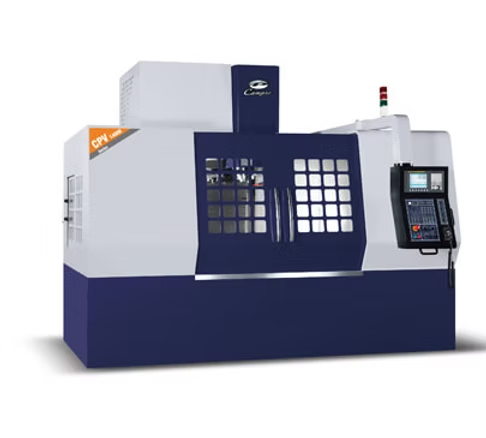
Modern manufacturing relies heavily on precision, consistency, and automation. CNC milling machines have become a core component in industries such as automotive, aerospace, and metal fabrication due to their ability to produce complex parts with high accuracy. If you are planning to buy CNC milling machine, it is important to understand the technical aspects, operational requirements, and long-term implications of such an investment.
A CNC milling machine is not just a piece of equipment; it is a system that integrates software, mechanical components, and skilled operation to deliver precise manufacturing outcomes.
What is a CNC Milling Machine?
A CNC milling machine is a computer-controlled tool that removes material from a workpiece using rotating cutting tools. The process is guided by pre-programmed instructions, which ensure consistency and precision in production.
These machines are capable of performing multiple operations, including drilling, cutting, and shaping. Their ability to automate complex tasks makes them highly valuable in environments where accuracy and repeatability are critical.
Types of CNC Milling Machines
Understanding the different types of CNC milling machines is essential before making a decision.
Vertical Milling Machines
Vertical milling machines feature a spindle that is oriented vertically. They are commonly used for precision work and are suitable for producing smaller components. These machines are widely used in workshops and for general manufacturing tasks.
Horizontal Milling Machines
Horizontal milling machines have a spindle positioned horizontally, making them ideal for heavy-duty operations. They are typically used for larger workpieces and offer greater stability during machining.
Multi-Axis Milling Machines
Multi-axis machines can operate along multiple directions simultaneously. These machines are used for complex geometries and reduce the need for repositioning the workpiece, improving efficiency and accuracy.
Key Factors to Consider Before Purchase
When evaluating whether to invest in a CNC milling machine, several technical and operational factors should be considered.
Precision and Accuracy
Precision is one of the most important aspects of CNC machining. Machines should be capable of maintaining tight tolerances to ensure consistent quality in production.
Machine Size and Capacity
The size of the machine determines the maximum dimensions of the workpieces it can handle. It is important to choose a machine that aligns with the scale of your operations.
Spindle Speed and Power
Spindle speed affects the cutting efficiency and surface finish of the final product. Machines with higher spindle speeds can handle a wider range of materials and applications.
Software Compatibility
CNC machines rely on CAD and CAM software for programming and operation. Compatibility with commonly used software systems is essential for smooth workflow integration.
Maintenance Requirements
Regular maintenance is necessary to ensure optimal performance and longevity. Understanding maintenance needs helps in planning operational costs and minimizing downtime.
Advantages of CNC Milling Machines
CNC milling machines offer several advantages that make them essential in modern manufacturing.
High Efficiency
Automation allows for faster production cycles and reduces the need for manual intervention.
Consistency in Output
CNC machines produce identical parts with minimal variation, ensuring consistent quality across large production runs.
Versatility
These machines can work with a variety of materials, including metals, plastics, and composites, making them suitable for diverse applications.
Reduced Human Error
Computer-controlled operations minimize the risk of mistakes, improving overall reliability in manufacturing processes.
Considerations for Operational Use
Beyond the initial purchase, it is important to consider how the machine will be used in day-to-day operations.
Skilled Workforce
Operating CNC machines requires trained personnel who can program, monitor, and maintain the equipment effectively.
Workspace and Installation
Adequate space and proper installation are necessary to ensure safe and efficient operation. Environmental factors such as temperature and cleanliness can also affect performance.
Safety Measures
CNC machines involve high-speed operations and sharp tools, making safety protocols essential. Proper training and protective equipment help reduce risks.
Conclusion
CNC milling machines play a crucial role in modern manufacturing by enabling precise and efficient production processes. Understanding their types, features, and operational requirements is essential for making informed decisions. As industries continue to adopt digital solutions, many buyers explore options through CNC machine online platforms to gather information and compare specifications. However, regardless of the approach, careful evaluation of technical and operational factors remains key to selecting the right machine for long-term success.
