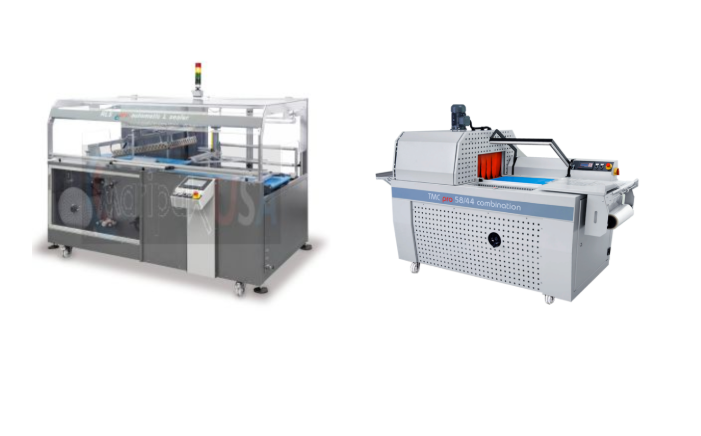
In today’s fast-paced manufacturing and packaging industries, efficiency and automation are critical for maintaining productivity and consistency. While primary machines such as sealers, fillers, and wrapping systems often receive the most attention, the supporting systems behind them play an equally important role. These supporting systems are collectively known as peripheral equipment, and they are essential for optimizing workflow and ensuring seamless operations within a production line.
Peripheral systems are not standalone machines but are designed to work alongside core equipment. They enhance performance, improve safety, and enable automation by handling tasks that primary machines cannot efficiently manage on their own.
What is Peripheral Equipment
Peripheral equipment refers to auxiliary devices or systems that support the main machinery in a production or packaging line. These components are integrated into the system to perform specific functions such as feeding, transferring, sorting, or inspecting products.
Unlike primary equipment, which performs the main production task, peripheral equipment enhances overall efficiency by reducing manual intervention and streamlining operations. These systems are essential for maintaining a continuous and synchronized workflow across different stages of production.
Role in Packaging and Manufacturing
In packaging systems, peripheral equipment ensures that products move smoothly from one stage to another. For example, after a product is sealed or wrapped, it must be transported efficiently to the next stage, such as labeling or palletizing.
These supporting systems help in:
- Maintaining consistent product flow
- Reducing downtime between processes
- Improving accuracy and quality control
- Enhancing overall production speed
By integrating peripheral equipment into packaging lines, manufacturers can create a fully automated system that minimizes errors and maximizes output.
Types of Peripheral Equipment
Conveyors
Conveyors are one of the most widely used types of peripheral equipment. They are responsible for moving products from one location to another within a production line.
A conveyor system reduces manual handling and ensures that products are transported efficiently through different stages of processing. These systems are commonly used in industries such as food processing, logistics, and manufacturing.
Feeders and Transfer Systems
Feeders are used to supply products or materials into the production line at a controlled rate. Transfer systems, on the other hand, help move products between machines or stations.
These systems ensure that products are positioned correctly and delivered at the right time, preventing bottlenecks and maintaining workflow continuity.
Palletizers and Depalletizers
Palletizers organize products into stacks for storage or shipping, while depalletizers perform the reverse process. These systems are crucial for handling large volumes of goods efficiently and safely.
Inspection and Quality Control Systems
Inspection systems are used to check product quality during the production process. These may include sensors, cameras, or automated testing equipment that identify defects or inconsistencies.
By detecting issues early, these systems help maintain product quality and reduce waste.
Importance of Integration
One of the key advantages of peripheral equipment is its ability to integrate seamlessly with primary machines. Modern systems are designed with modular components that can be easily connected and synchronized.
For example, motorized conveyor systems can be directly linked to packaging machines, allowing them to operate through a shared control panel. This integration simplifies operation and reduces the need for additional power sources or complex setups.
Such integration ensures that all components of the production line work together efficiently, resulting in a smoother and more reliable process.
Benefits of Using Peripheral Equipment
Increased Efficiency
By automating supporting tasks, peripheral equipment reduces the need for manual labor and speeds up production processes.
Improved Workflow
These systems ensure a continuous flow of products, eliminating delays and bottlenecks in the production line.
Enhanced Safety
Automation reduces the need for human interaction with heavy or hazardous machinery, improving workplace safety.
Flexibility and Scalability
Peripheral equipment can be customized or upgraded to meet changing production requirements, making it a flexible solution for growing businesses.
Understanding the Role of Conveyor Systems
Among all types of peripheral equipment, conveyors are particularly important. A belt conveyor, for instance, is widely used for transporting products smoothly and efficiently across different stages of production.
These systems are designed to handle various types of materials and can be customized based on the size, weight, and nature of the products. Their ability to maintain a steady flow of goods makes them an essential component in modern packaging and manufacturing environments.
Conclusion
Peripheral equipment plays a vital role in modern industrial systems by supporting and enhancing the performance of primary machinery. From conveyors and feeders to inspection systems and palletizers, these components ensure that production lines operate efficiently and reliably. By integrating these systems into packaging processes, businesses can achieve higher productivity, improved quality, and reduced operational costs. Understanding systems like the belt conveyor highlights how essential these supporting technologies are in maintaining smooth and efficient production workflows. As automation continues to evolve, the importance of peripheral equipment will only grow, making it a key element in advanced manufacturing environments.
